Jesus’ Death: What Does It Mean for Humanity?
1. Introduction: The Cross—More Than a Symbol
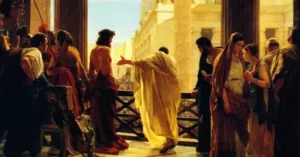
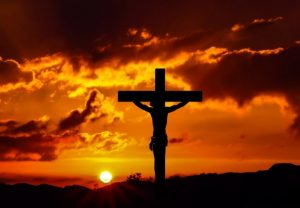
To many, the cross is a religious symbol, an ornament, or a cultural relic. But in Christian faith, it represents something far deeper—a divine intersection between justice and mercy, sin and redemption, death and eternal life. At the center of this sacred mystery stands the crucified Christ, whose death on Good Friday altered the destiny of humankind.
This article delves into the true significance of Jesus Christ’s death, not merely as a historical event, but as the most transformational moment in human history. Through Scripture, theology, prophecy, and spiritual reflection, we will uncover how His crucifixion offers humanity redemption, salvation, and the hope of eternal life.
2. The Context of Jesus’ Death: God’s Eternal Plan
Jesus did not die by accident. His crucifixion was neither a tragic mistake nor merely a political execution—it was a predestined plan of God. The Bible reveals that “He was delivered over by the predetermined plan and foreknowledge of God” (Acts 2:23).
From the Garden of Eden, when sin entered the world, God promised a Savior (Genesis 3:15). Every sacrifice in the Old Testament pointed toward the Lamb of God who would take away the sins of the world (John 1:29). Jesus’ death fulfilled this eternal plan:
- Prophecy Fulfilled: Isaiah 53 vividly describes the suffering servant who would be “pierced for our transgressions.”
- Typology Completed: The Passover lamb in Exodus foreshadowed Christ’s substitutionary death (1 Corinthians 5:7).
- Heaven’s Will: Jesus said, “I have come down from heaven, not to do My own will but the will of Him who sent Me” (John 6:38).
3. The Meaning of Redemption: Bought Back from Bondage
The word redemption in the Bible comes from the Greek word apolutrosis, which means “to buy back, to ransom.” Humanity was enslaved by sin (Romans 6:6), unable to save itself. Christ’s death was the ransom that purchased our freedom:
“In Him we have redemption through His blood, the forgiveness of our trespasses, according to the riches of His grace” (Ephesians 1:7).
Through His death:
- The penalty of sin was paid (Romans 6:23).
- The wrath of God was satisfied (Romans 3:25).
- The legal demands of the law were fulfilled (Colossians 2:14).
Jesus’ blood didn’t just cover sin; it cleansed it (Hebrews 9:14). He paid the price we could never pay, opening the way back to God.
4. The Gift of Salvation: Freely Given, Not Earned
Salvation is God’s greatest gift. It cannot be earned by good deeds, religious rituals, or human efforts. It is a free gift, made possible by Christ’s death and resurrection:
“For it is by grace you have been saved, through faith—and this is not from yourselves, it is the gift of God” (Ephesians 2:8).
What Does Salvation Include?
- Forgiveness: Past, present, and future sins forgiven (1 John 1:9).
- Justification: Declared righteous before God (Romans 5:1).
- Reconciliation: Restored relationship with the Father (2 Corinthians 5:18).
- Adoption: Welcomed as children of God (Galatians 4:5).
Salvation is not merely a “get out of hell free” card—it’s an invitation into a new life filled with peace, purpose, and transformation.
5. Eternal Life: Life That Never Ends, But Begins Now
Jesus said, “I have come that they may have life, and have it to the full” (John 10:10). Eternal life is more than going to heaven when we die—it is the very life of God within us, beginning now and lasting forever.
“And this is the testimony: God has given us eternal life, and this life is in His Son” (1 John 5:11).
Eternal life is:
- Unending: It never fades, grows old, or dies (John 3:16).
- Unbreakable: It is secure in Christ (John 10:28).
- Unshakable: It is not based on circumstances but God’s promise (Romans 8:38–39).
Heaven is not a reward for good behavior; it is the home of those who have been washed in the blood of Christ.
6. The Cross: Where Love and Justice Embrace
At the cross, we see the perfect unity of God’s love and God’s justice. Sin could not be ignored—justice demanded punishment. Yet love provided a substitute. Jesus willingly stood in our place:
“God demonstrates His own love for us in this: While we were still sinners, Christ died for us” (Romans 5:8).
No greater love has ever been shown. The cross is not a symbol of defeat—it is the throne of victory. Jesus said, “It is finished” (John 19:30), signifying the completion of redemption’s work.
7. The Implications for Humanity
Jesus’ death was not just for a select few—it was for the whole world (1 John 2:2). It calls all people:
- To repentance (Acts 3:19)
- To faith (Romans 10:9–10)
- To new life (2 Corinthians 5:17)
It redefines our identity, reshapes our destiny, and restores our purpose. No one is beyond the reach of Christ’s cross.
8. Practical Impact: What Should We Do Now?
a) Believe in the Gospel
Trust in Jesus’ death and resurrection. This is the only way to be saved (John 14:6).
b) Live as Redeemed People
Turn away from sin and live in holiness (Titus 2:14).
c) Share the Message
The Gospel is not meant to be hidden. Proclaim it to others (Matthew 28:19).
9. Reflection: The Cross and You
Imagine standing at the foot of the cross. The sky is dark, the earth trembles, and the blood of the Son of God falls to the ground. It was for you. He died so you could live.
This is not just theology—it is truth. A truth that demands a response.
“How shall we escape if we neglect so great a salvation?” (Hebrews 2:3)
10. Conclusion: A Message of Eternal Hope
Jesus’ death on the cross is the most glorious paradox: out of suffering came salvation, from death came life, from sorrow came joy. His crucifixion means that:
- You can be forgiven.
- You can be free.
- You can be with God forever.
All because He said yes to the cross.
Final Thoughts and Call to Action
Let this message of hope penetrate your heart. Share it with others. Reflect on its meaning. And most importantly, respond to the One who died and rose again for you.
The Death of Jesus: A Journey into the Heart of the Cross – Part 2
Introduction: The Cross as the Ultimate Paradox
In the world’s eyes, the crucifixion of Jesus Christ seems like a tragedy. A perfect man, full of wisdom, love, and power, executed in one of the most brutal ways known to humanity. But for Christians, Good Friday marks the ultimate paradox: a day that appears filled with darkness and despair, yet one that brings forth the light of redemption.
In this second part of our exploration, we will look at the divine mysteries revealed through Jesus’ death, offering insights not just from a theological perspective but also reflecting on how this event touches every believer’s life today. We will uncover the five divine truths embedded in Jesus’ sacrifice, each transforming the way we understand our relationship with God, our world, and eternity.
1. The Cross as a Revelation of God’s Absolute Love
One of the most powerful aspects of Jesus’ death is its demonstration of God’s profound love for humanity. The Bible consistently teaches that God is love (1 John 4:8), but it is at the cross where this love is most clearly revealed.
Jesus’ sacrifice is the ultimate proof that God loves us unconditionally, despite our imperfections, sins, and rebellion. John 3:16 declares, “For God so loved the world that He gave His only Son, that whoever believes in Him should not perish but have eternal life.” Jesus was sent by the Father not to condemn the world but to save it. His willingness to lay down His life for humanity showcases a love that goes beyond human understanding.
But God’s love does not just stop at forgiveness. The cross is the expression of a love that transforms lives, offers new beginnings, and grants hope to a hopeless world. Jesus didn’t just die for a select group; He died for the world—for you and me, offering us the gift of eternal life.
The paradox of love on the cross is that it was both the ultimate act of vulnerability and the most powerful act of victory. The world may see weakness in the crucified Christ, but believers see the power of love that conquers all.
2. The Cross as a Call to Radical Discipleship
The cross is not just a symbol of Jesus’ death; it is a call to action for every believer. In Matthew 16:24, Jesus said, “If anyone would come after Me, let him deny himself and take up his cross and follow Me.” The cross demands radical discipleship—a life that follows the example of Jesus’ humility, sacrifice, and selflessness.
To take up our cross means to surrender our will, our desires, and our ambitions to God. It’s not a call to physical crucifixion but to a spiritual surrender that often requires dying to ourselves in order to live for Him. This is not an easy journey, but it is one that leads to the abundant life that Jesus promised (John 10:10).
The cross also calls us to sacrifice in the service of others. Jesus didn’t come to be served but to serve, and His followers are called to do the same. This means laying down our selfish desires for the good of others, just as Jesus laid down His life for us. A life shaped by the cross is a life of service, love, and humility.
3. The Cross as the Victory Over Sin and Death
Jesus’ death on the cross was not a defeat; it was a victory. In Colossians 2:15, Paul writes that through the cross, Jesus “disarmed the rulers and authorities and put them to open shame, by triumphing over them in Him.” Jesus’ sacrifice on the cross was the ultimate defeat of sin and death.
Before Jesus’ death, humanity was held captive by the power of sin—separated from God and bound by the consequences of disobedience. But the cross broke that bondage, offering forgiveness and freedom. Jesus’ sacrifice was the payment for humanity’s sin, and His resurrection three days later proved that death no longer has the final say.
The victory of the cross is not only spiritual but also cosmic. Through His death, Jesus conquered the powers of darkness, freeing all who believe in Him from the grip of sin. The cross tells us that no matter what darkness we face, Jesus has already overcome it. The victory over sin and death has been won, and believers are invited to live in that victory.
4. The Cross as the Gateway to Eternal Life
The cross is the gateway to eternal life. It is through the death of Jesus that the path to eternal life is made available to all who believe. In John 14:6, Jesus declared, “I am the way, and the truth, and the life. No one comes to the Father except through Me.” The cross is the doorway through which we pass to receive eternal life, a life that begins the moment we believe in Jesus and continues forever.
Eternal life, according to the Bible, is not just a length of time but a quality of life. It is knowing God intimately (John 17:3) and living in His presence forever. Eternal life begins in the present for those who trust in Jesus, as they enter into a relationship with God through Him.
The resurrection of Jesus also confirms that eternal life is real, tangible, and offered freely to all who believe in Him. The cross opened the way for believers to be united with God eternally, offering not just hope for the afterlife, but also a life of purpose and fulfillment now.
5. The Cross as a Constant Reminder of God’s Presence in Our Suffering
Finally, the cross serves as a constant reminder that God is with us in our suffering. Jesus did not come to avoid suffering; He came to embrace it, endure it, and ultimately overcome it. The cross reveals that God is not distant from our pain but has entered into it fully.
For Christians, the cross is a symbol of hope in the midst of suffering. No matter the hardships we face, we know that Jesus understands and has walked through them Himself. Hebrews 4:15 tells us that Jesus is a high priest who “sympathizes with our weaknesses” because He was tempted in every way, yet was without sin.
In times of sorrow, pain, or difficulty, the cross reassures us that we are not alone. Jesus’ suffering on the cross shows that God cares deeply about our pain and that, through His own suffering, He provides comfort, healing, and hope.
Conclusion: Living Out the Cross
The cross is not just an event to remember; it is a truth to live by. It calls us to experience God’s love, to embrace radical discipleship, to walk in victory over sin, to look forward to eternal life, and to trust that God is with us in our suffering.
As we meditate on the death of Jesus Christ, let it reshape the way we live our daily lives. Let it challenge us to love more deeply, serve more sacrificially, and trust more fully in the victory Jesus won for us. The cross is not just a historical event; it is a living reality that continues to transform hearts and lives today.
Call to Action:
As you reflect on the cross, share this message of hope and transformation with others. Leave a comment below, share this article with friends, and let the love of Christ that was revealed on the cross inspire those around you to live in the victory He secured for us.
May the grace and love of God be with you always.
Don’t forget to comment and share this article. Let this truth reach those who need it most.