Experience Christ’s resurrection daily through prayer, forgiveness, and service for lasting peace and hope.
The Garden after the Grave – Understanding Resurrection Hope
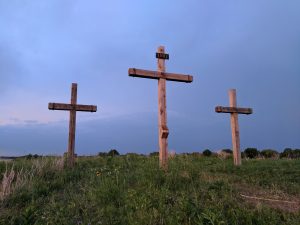
Death is a universal reality. Every human being experiences loss, grief, and the shadow of mortality. Yet, the Bible presents a hope that transcends the grave—the resurrection, symbolized by the garden after the grave. This image reminds us that where death seems final, God brings new life, restoration, and divine purpose.
1. From Mourning to Hope
The Gospel of Matthew (28:1-6) narrates the transformation of the grave into a garden: “He is not here; he has risen, just as he said. Come and see the place where he lay.”
Key Insights:
- Grave represents human limitations: Our fear, sin, and brokenness can feel like tombs that trap hope.
- Garden represents God’s intervention: Where life seems impossible, God cultivates resurrection, renewal, and growth.
- Transformation is immediate and complete: Just as the stone was rolled away, God removes obstacles that hinder spiritual life.
Practical Reflection: In moments of grief, prayer and Scripture remind believers that God’s power can turn despair into joy, much like the garden blooming after the cold tomb.
2. Resurrection as a Personal Encounter
The garden after the grave is not just a historical reality; it is spiritual and personal. Each believer can experience resurrection in daily life:
| Aspect | Biblical Example | Practical Takeaway |
|---|---|---|
| Fear & Doubt | Mary Magdalene at the tomb (John 20:11-18) | Bring your doubts to God; He will reveal His presence |
| Sin & Guilt | Peter’s denial and restoration (John 21:15-19) | God can restore and give purpose even after failure |
| Hopelessness | Lazarus raised from the dead (John 11:38-44) | Trust God in seemingly impossible situations |
Practical Application: Reflect daily on the areas where you feel spiritually “dead.” Bring them to God, trusting He will cultivate new life, just as a gardener tends a once-barren soil.
3. The Garden as a Symbol of Divine Care
Gardens in Scripture often represent intimacy, nurturing, and divine order.
- Genesis 2:8 – God planted the first garden, showing His care for creation.
- Song of Solomon 4:12 – The garden symbolizes protection and blessing.
- Matthew 28 – The garden of the resurrection is the ultimate act of God’s care for humanity.
Lesson: God’s intervention after the grave is not merely miraculous; it is personal, tender, and intentional, designed to bring believers into flourishing life.
4. Practical Reflection Questions
- Which areas of my life feel like a grave—hopeless or lifeless?
- How can I invite God to transform those areas into a “garden”?
- Who in my life needs encouragement that God can bring life after loss?
- What daily habits can help me remain connected to resurrection hope (prayer, Scripture, worship)?
Cultivating Resurrection Life
After understanding the profound symbolism of the “garden after the grave,” it is essential to apply this hope practically. Resurrection is not just a historical event; it is a daily experience that transforms thoughts, actions, and relationships.
1. Daily Practices to Experience Resurrection
Living resurrection requires intentional habits that invite God’s life-giving power into our daily routines. Each practice reflects the transformation symbolized by the garden after the grave.
| Practice | Action | Biblical Foundation | Practical Result |
|---|---|---|---|
| Morning Scripture & Prayer | Begin the day with passages on resurrection (John 11:25-26, Romans 6:4) | Jesus proclaimed, “I am the resurrection and the life.” | Awakens faith, joy, and hope at the start of the day |
| Gratitude Journal | Write 3-5 ways God has renewed your life each day | 1 Thessalonians 5:18 – “Give thanks in all circumstances” | Focuses the heart on blessings, reducing anxiety and despair |
| Forgiveness Exercise | Release one person from resentment daily | Matthew 6:14-15 | Emotional freedom and restored relationships |
| Acts of Service | Perform a deliberate act of kindness for someone | Galatians 5:13 | Extends God’s life-giving love to others |
| Evening Reflection | Review the day, noting spiritual victories | Psalm 77:11 | Reinforces awareness of God’s presence and resurrection power |
Practical Note: These habits are not ritualistic; they are intentional acts of faith that remind our hearts of God’s ability to turn death into life. Just as a gardener tends every plant, God works in small, daily ways to cultivate resurrection in us.
2. Resurrection in Emotional and Spiritual Healing
The garden after the grave teaches that God brings life even in the darkest seasons of grief and sorrow. Experiencing resurrection involves confronting what feels “dead” in our hearts and allowing God to revive it.
Practical Steps:
- Identify Dead Areas: Reflect on areas of life where joy, faith, or hope is absent.
- Pray with Expectation: Ask God to revive these areas, trusting in His timing.
- Engage in Scripture Meditation: Passages like Isaiah 61:3 and Romans 8:11 remind us that God restores, renews, and empowers.
- Celebrate Small Wins: Recognize every moment of renewed courage, peace, or faith.
| Dead Area | Resurrection Action | Example | Result |
|---|---|---|---|
| Fear | Trust God in prayer and Scripture | Mary Magdalene encountering the empty tomb | Peace and courage |
| Guilt | Confess and accept forgiveness | Peter restored after denying Christ | Inner freedom |
| Hopelessness | Focus on God’s promises | Lazarus raised from the dead | Renewed hope and purpose |
| Resentment | Forgive others intentionally | Joseph forgiving his brothers | Reconciliation and emotional healing |
3. Resurrection in Relationships
A key aspect of experiencing resurrection is restoring life in our relationships. Just as the garden after the grave symbolizes new growth, believers can bring reconciliation, encouragement, and love into interactions with family, friends, and community.
Practical Actions:
- Family: Initiate reconciliation, pray together, and nurture mutual trust.
- Friends: Offer support, encouragement, and share testimonies of God’s power.
- Community: Serve in practical ways, demonstrating God’s love tangibly.
| Relationship | Resurrection Action | Outcome |
|---|---|---|
| Family | Heartfelt conversations and prayer | Stronger unity and peace |
| Friends | Forgiveness, encouragement, prayer | Restored trust and bonds |
| Community | Volunteer, mentor, or serve | Spiritual impact and extended hope |
4. Resurrection Through Worship
Worship is both a response and an encounter with resurrection power. Singing, praying, and meditating on God’s word allows the believer to experience resurrection personally.
Practical Steps:
- Dedicate daily time to sing songs of resurrection (e.g., “Christ the Lord is Risen Today”).
- Journal moments where God’s presence renewed your heart.
- Join corporate worship for communal celebration of life in Christ.
- Reflect on Psalms 118:24 – “This is the day the Lord has made; let us rejoice and be glad in it.”
5. 7-Day Practical Plan to Live Resurrection
To integrate resurrection fully, consider a week-long action plan inspired by the garden after the grave:
| Day | Focus | Action Step |
|---|---|---|
| Day 1 | Gratitude | List five ways God brought life this week |
| Day 2 | Prayer | Ask God to reveal areas of spiritual renewal |
| Day 3 | Forgiveness | Forgive one person intentionally |
| Day 4 | Scripture | Meditate on resurrection passages |
| Day 5 | Service | Perform an act of kindness in your family or community |
| Day 6 | Worship | Sing or reflect on God’s victory over death |
| Day 7 | Reflection | Review spiritual growth and plan next steps |
This plan ensures resurrection is lived, not just celebrated, turning theory into daily practice.
Living Resurrection Daily – The Garden after the Grave Realized
The garden after the grave is not just a symbol of Christ’s resurrection; it is a living reality for every believer. It reminds us that life, hope, and renewal follow even the darkest seasons. Part 3 focuses on embedding resurrection into daily life, embracing God’s transformation fully, and walking in the victory He provides.
1. Resurrection as a Lifestyle
To truly live in the “garden after the grave,” believers must internalize resurrection as a lifestyle:
- Mindset: Begin each day with faith that God is active and life-giving. Philippians 4:13 assures us, “I can do all things through Christ who strengthens me.”
- Emotions: Allow resurrection to heal grief, fear, and anxiety. Cast your burdens on God (1 Peter 5:7) and embrace His peace.
- Actions: Live in love, forgiveness, and service. Your choices reflect resurrection life, transforming relationships and communities.
Practical Tip: Begin each morning with a resurrection declaration: “Today, I live in Christ’s victory. Death has no power over me. God’s life flows through every part of me.”
2. Daily Practices to Maintain Resurrection Life
| Practice | Action | Spiritual Outcome | Practical Result |
|---|---|---|---|
| Morning Prayer | Invite God to lead your day | Aligns heart with resurrection hope | Peace and confidence |
| Scripture Reflection | Meditate on passages like Romans 6:4 | Mind renewed and strengthened | Faith deepened |
| Journaling | Record daily victories and blessings | Awareness of God’s active work | Gratitude and encouragement |
| Forgiveness | Release one grievance daily | Emotional freedom and relational healing | Stronger connections |
| Service | Help someone in need | Demonstrates Christ’s love | Tangible impact in community |
| Evening Reflection | Thank God for His provision | Reinforces trust in God | Sleep with peace and assurance |
Tip: Consistency is key. The garden grows with daily care, just as our spiritual life flourishes with habitual practices of faith.
3. Resurrection in Relationships and Community
Resurrection life impacts how we connect with others:
- Family: Resolve conflicts, pray together, encourage one another.
- Friends: Offer forgiveness, support, and share testimonies of God’s work.
- Community: Engage in acts of service, mentorship, or evangelism, extending resurrection hope to others.
Biblical Example: Jesus appeared to His disciples after resurrection (John 20:19-22), bringing peace, courage, and purpose. Likewise, we can bring life, encouragement, and restoration wherever we go.
| Relationship Area | Resurrection Action | Result |
|---|---|---|
| Family | Pray, forgive, nurture | Emotional and spiritual healing |
| Friends | Encourage, share testimony | Strengthened trust and faith |
| Community | Serve, mentor, love | Shared hope and societal impact |
Frequently Asked Questions (FAQs)
Q1: Can resurrection be experienced daily?
A1: Absolutely. Every believer can live in the victory of Christ’s resurrection through prayer, Scripture, and obedience.
Q2: How do I know I am living resurrection life?
A2: Signs include peace, joy amid trials, freedom from sin, restored relationships, and the desire to serve others.
Q3: What if I feel hopeless or spiritually “dead”?
A3: Bring your fears and brokenness to God, meditate on His Word, and allow Him to cultivate life where despair seemed final.
- Begin a 7-day resurrection challenge: apply prayer, Scripture meditation, journaling, forgiveness, and service daily.
- Share your journey with family, friends, or a small group.
- Encourage others to embrace the garden after the grave, experiencing God’s power and hope firsthand.
Christ’s resurrection ensures that life triumphs over death. Those who believe:
- Receive forgiveness and new life.
- Are empowered to live purposefully and victoriously.
- Can share this hope with a hurting world.
The grave is not the end; it is the threshold to God’s abundant life, renewed relationships, and eternal hope.
May God’s resurrection power fill your heart with joy, renew your mind, and transform your life daily. May every shadow of fear, sorrow, or hopelessness be replaced with His life, peace, and love. Walk boldly in the garden after the grave, and let your life reflect the victory of Jesus Christ.