Discover the life, sermons, and practical teachings of Charles Spurgeon, the Prince of Preachers. Learn actionable lessons to strengthen your faith, serve others, and live a God-centered life.
Charles Haddon Spurgeon, famously known as the “Prince of Preachers,” stands as one of the most influential figures in the history of Christianity. His life, ministry, and writings have continued to inspire countless believers worldwide. Born on June 19, 1834, in Kelvedon, Essex, England, Spurgeon was raised in a devout Christian household, where the love of Scripture and reverence for God’s Word were central to daily life. From a very young age, he exhibited extraordinary spiritual sensitivity and a keen understanding of the Bible’s truths.
Early Life and Spiritual Awakening
| Age | Event | Significance |
|---|---|---|
| 5 | Learned to read Bible passages | Early exposure to Scripture fostered a lifelong love for God’s Word |
| 15 | Conversion experience | Committed his life to Christ, marking the beginning of his ministry journey |
| 16 | Began preaching locally | Demonstrated natural speaking ability and passion for God’s Word |
| 19 | Called to New Park Street Chapel, London | Rapid rise to prominence as a young pastor with exceptional influence |
Spurgeon’s conversion at age 15 was a defining moment. He experienced a profound sense of God’s presence and grace, which ignited an enduring desire to serve Him fully. The young preacher immersed himself in Scriptural study, memorized verses, and reflected deeply on their theological and practical significance. This period also shaped his philosophy of ministry: preach Christ faithfully, accurately, and with heartfelt passion.
Ministry and Impact
By the age of 19, Spurgeon was appointed pastor of the New Park Street Chapel in London, where his sermons drew thousands. Unlike many preachers of his era, Spurgeon’s messages were not mere eloquence—they were deeply theological yet accessible, designed to challenge hearts while guiding souls toward practical Christian living. His ministry emphasized several key principles:
- Scriptural Authority: Every sermon was firmly rooted in the Bible. Spurgeon never compromised God’s Word to suit popular trends or appease audiences.
- Personal Application: He constantly urged believers to apply Scripture to daily life, encouraging them to experience transformation, not just knowledge.
- Pastoral Compassion: Spurgeon’s preaching was accompanied by a genuine pastoral heart, offering guidance, support, and encouragement to the congregation.
The Metropolitan Tabernacle
As his influence grew, Spurgeon’s congregation expanded beyond the capacity of the New Park Street Chapel, leading to the construction of the Metropolitan Tabernacle in London. The Tabernacle became a hub for spiritual teaching, training, and outreach. Spurgeon’s ministry was characterized not only by preaching but also by:
- Training of ministers: Preparing young men for pastoral work.
- Missionary support: Encouraging global evangelism.
- Social outreach: Supporting orphanages and addressing societal needs.
Writings and Sermons
Spurgeon’s literary contributions are as significant as his preaching. Over his lifetime, he produced over 140 books, countless pamphlets, and thousands of sermons. Some of his most enduring works include:
- Morning and Evening Devotions: A daily guide for spiritual reflection.
- The Treasury of David: A profound commentary on the Psalms.
- Sermon collections addressing practical Christian living, faith, and moral integrity.
These writings reinforced his central message: God’s Word is powerful, transformative, and essential for all believers. His sermons were not just theoretical; they were designed to influence life choices, encourage personal devotion, and cultivate a life surrendered to Christ.
Practical Lessons from Spurgeon’s Life
- Consistency in Study: Spurgeon demonstrated the importance of consistent Bible study for effective ministry.
- Application of Doctrine: Knowledge of theology is valuable only when applied to life and shared with others.
- Service Beyond the Pulpit: Ministry extends beyond preaching; it includes tangible acts of compassion, social engagement, and mentorship.
Summary
Charles Spurgeon’s life exemplifies the integration of faith, knowledge, and action. His unwavering commitment to Scripture, combined with a practical approach to Christian living, demonstrates that effective ministry requires both spiritual depth and practical wisdom. For pastors, theologians, and believers, Spurgeon serves as a model of how to live a life fully surrendered to God, preach the gospel faithfully, and impact generations for eternity.
Key Takeaway:
“A life rooted in Scripture, empowered by grace, and expressed through faithful action leaves an eternal legacy.”
The Spiritual Depth and Pastoral Wisdom of Charles Spurgeon
Charles Spurgeon’s ministry was more than eloquent sermons; it was a living demonstration of God’s grace and power. His influence stemmed not only from his oratory skills but from a profound spiritual depth, grounded in Scripture, prayer, and personal devotion. Understanding Spurgeon’s spiritual life provides invaluable lessons for contemporary Christians, pastors, and anyone seeking to live a God-centered life.
1. Rooted in Scripture
Spurgeon’s sermons were famously rooted in the King James Version of the Bible, reflecting his deep reverence for the authority of God’s Word. He believed:
“A sermon without the Word of God is like a body without a soul.”
He did not rely on personal anecdotes or philosophical arguments alone; every message he delivered was anchored in the text of Scripture, carefully studied, and meticulously explained. His approach can be broken down into several layers:
| Layer | Description | Practical Application |
|---|---|---|
| Exegesis | Thoroughly studying the biblical text in its original context | Modern Christians can study verses in Hebrew or Greek, or consult commentaries to understand context |
| Illustration | Applying vivid, memorable examples | Use real-life scenarios or stories to make the message relatable |
| Application | Drawing practical lessons for daily living | Encourage audiences to live out biblical principles immediately |
| Call to Action | Motivating listeners to respond | Challenge believers to prayer, service, or personal transformation |
Through this structured approach, Spurgeon ensured that his sermons were not only intellectually satisfying but practically transformative.
2. A Life of Prayer and Devotion
Behind every powerful sermon was a life saturated in prayer. Spurgeon would spend hours in personal devotion, seeking the guidance of the Holy Spirit before preaching. He believed that true spiritual authority comes from intimacy with God, not from natural talent alone.
Practical lessons from his devotional life include:
- Daily Scripture Meditation: Studying God’s Word every morning and evening to align life with divine principles.
- Intercessory Prayer: Praying for congregants, missionaries, and the needs of the world.
- Dependence on the Holy Spirit: Seeking God’s inspiration rather than relying solely on personal intellect or persuasion.
“No one can preach effectively unless they first pray earnestly, for the Word is spirit and life.” – Charles Spurgeon
3. Compassionate Pastoral Care
Spurgeon’s ministry extended beyond the pulpit. He demonstrated a deep concern for human suffering and provided tangible support for the needy. Some practical examples include:
- Supporting orphanages and widows.
- Providing resources for the poor in London.
- Mentoring young ministers and guiding them in biblical doctrine.
This approach highlights a critical principle: true ministry involves both preaching and practical acts of love.
4. Commitment to Evangelism
Spurgeon believed that preaching the gospel was not merely an academic exercise but a divine mandate to save souls. Thousands attended his sermons weekly, and his writings reached an even wider audience globally. His life teaches modern believers that:
- Evangelism must be rooted in truth and compassion.
- Ministry should aim for both spiritual growth and tangible impact.
- Consistency and perseverance are essential; Spurgeon preached regularly even during illness and personal challenges.
5. Balancing Depth with Accessibility
A unique feature of Spurgeon’s preaching was his ability to communicate profound theological truths in an accessible manner. He understood that while doctrine is critical, it must be digestible for ordinary people. His method included:
- Using simple language without diluting the message.
- Incorporating stories and illustrations from everyday life.
- Connecting biblical principles to practical moral decisions, e.g., honesty, integrity, humility.
6. Legacy for Today
Spurgeon’s life continues to inspire because it demonstrates the integration of knowledge, devotion, and action. For modern pastors and Christians, key takeaways include:
- Study deeply, preach faithfully: Knowledge of Scripture must guide every word and action.
- Serve holistically: Ministry includes both spiritual teaching and compassionate action.
- Live visibly: A life of integrity and devotion strengthens credibility and influence.
- Trust in God’s power: Effectiveness comes from reliance on the Holy Spirit, not personal skill alone.
“God’s Word preached with faithfulness and love transforms both speaker and listener alike.”
The Practical Impact of Spurgeon’s Sermons on Modern Christian Life
Charles Spurgeon’s sermons were not just eloquent speeches—they were transformative encounters with God’s Word. Understanding their practical impact helps believers today apply biblical truths to daily life, ministry, and personal growth.
1. Preaching That Transforms Lives
Spurgeon believed a sermon should move hearts, not merely entertain minds. He often said:
“A sermon is a sword, and it must strike the conscience.”
He combined Scriptural exegesis with real-world application. Modern Christians can learn from his approach:
- Identify the Core Message: Every sermon has a central truth from Scripture.
- Connect with Daily Life: Spurgeon would explain how biblical principles affect honesty, humility, patience, and faith in modern life.
- Challenge the Listener: A good sermon calls for introspection and action.
For instance, his sermon on Psalm 23 emphasized trusting God in life’s valleys, reminding believers that spiritual peace is possible even amid trials. He didn’t just teach doctrine; he guided practical obedience, encouraging acts of kindness, faith, and service.
2. Integration of Theology and Daily Practice
Spurgeon masterfully bridged deep theology and everyday practice. He understood that knowledge without application is empty.
| Aspect | Example | Modern Application |
|---|---|---|
| Faith | Trusting God for salvation | Personal commitment to Christ |
| Grace | God’s unmerited favor | Forgiving others, relying on God daily |
| Prayer | Constant communion with God | Setting aside time for daily prayer |
| Service | Helping the needy | Volunteering, mentoring, and community service |
This model is still highly relevant: Christians today can study Scripture intensely and immediately apply its lessons through actions of love, service, and moral integrity.
3. Emotional and Spiritual Connection
Spurgeon’s sermons were emotionally compelling because he addressed real struggles of human life—fear, sin, sorrow, doubt, and hope. He applied Scripture to situations like:
- Coping with grief: teaching that God is the Comforter (2 Corinthians 1:3-4).
- Overcoming temptation: highlighting reliance on the Holy Spirit (Galatians 5:16).
- Finding purpose: demonstrating God’s sovereignty in daily decisions (Proverbs 16:9).
By connecting emotion with Scripture, Spurgeon showed that faith is not abstract—it is lived and felt.
4. Mentorship and Multiplication
Another key aspect of Spurgeon’s ministry was raising future leaders. He trained young pastors and encouraged them to preach faithfully. His mentorship model can be applied today:
- Invest in Others: Guide new believers or ministry workers.
- Share Knowledge Freely: Write, teach, and mentor openly.
- Lead by Example: Live a life consistent with biblical principles.
Spurgeon’s mentorship ensured that his influence extended far beyond his lifetime, shaping generations of preachers and lay leaders.
5. Cultural Relevance and Adaptation
Despite living in the 19th century, Spurgeon understood how to make God’s Word relevant to contemporary issues. He addressed moral challenges, social injustices, and human suffering, making Scripture timeless and applicable.
Modern Christians can emulate this approach by:
- Linking biblical truths to current societal issues.
- Using language and examples that resonate with today’s audience.
- Encouraging community involvement and active faith.
6. Legacy of Transformation
Spurgeon’s sermons were not just for entertainment—they were catalysts for transformation. Communities were changed, individuals experienced life-altering encounters with God, and countless converts were drawn to Christ.
“Faith that does not change life is no faith at all.”
By examining his preaching, we learn that effective ministry combines doctrine, devotion, and practical application. Believers today can adopt Spurgeon’s principles to make their faith dynamic and impactful.
The Enduring Wisdom and Daily Application of Charles Spurgeon’s Teachings
Charles Spurgeon, often called the Prince of Preachers, left behind a legacy that continues to inspire not just preachers, but every Christian seeking to live faithfully. His life and sermons were more than historical curiosities—they are practical guides for spiritual growth, character formation, and ministry effectiveness.
1. Practical Lessons on Faith
Spurgeon emphasized that faith must be alive and active. He often reminded his listeners that Christianity is not merely theoretical, but a daily, transformative experience. For example:
- Faith in Trials: He taught that difficult circumstances are opportunities to trust God deeper. Scripture such as James 1:2-4, “My brethren, count it all joy when ye fall into divers temptations; Knowing this, that the trying of your faith worketh patience,” was central to his preaching.
- Faith in Action: Belief without obedience is empty. Spurgeon encouraged Christians to act on their convictions, whether by helping the poor, teaching others, or sharing the Gospel.
Modern believers can take this principle and ask themselves daily: Am I living my faith in tangible, measurable ways?
2. Spurgeon’s Approach to Scripture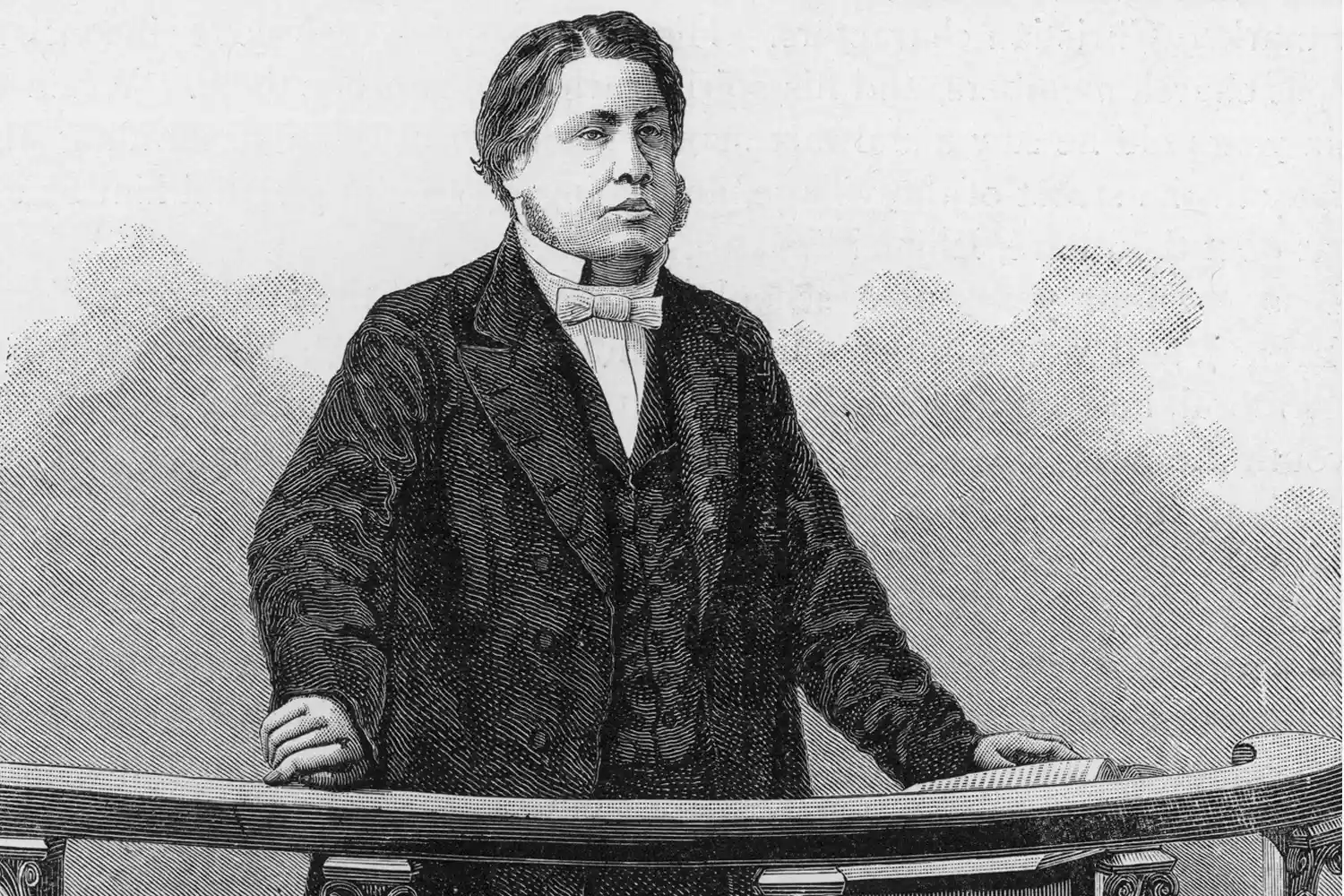
One of the most profound aspects of his ministry was his methodical engagement with Scripture. He believed:
“A text without a context is a pretext.”
He would analyze the Greek and Hebrew roots, historical background, and intended audience of biblical passages before extracting practical lessons. For instance, in his sermons on Psalm 23:4, he examined how God’s shepherding presence applies to every modern fear and anxiety, showing the timeless relevance of Scripture.
| Scripture | Spurgeon’s Insight | Modern Application |
|---|---|---|
| Psalm 23:4 | God is our shepherd in life’s valleys | Trust God in personal, professional, and relational struggles |
| John 15:5 | Abiding in Christ produces spiritual fruit | Daily devotion, prayer, and obedience bring spiritual growth |
| Matthew 5:16 | Let your light shine | Actively participate in community service and moral leadership |
This table demonstrates that Spurgeon’s lessons were structured yet practical, combining biblical literacy with actionable guidance.
3. Preaching with Compassion and Relevance
Spurgeon’s sermons were emotionally and spiritually compelling. He understood human needs: fears, doubts, regrets, and longings. Unlike mere academic preaching, he spoke to the heart. Examples:
- Comfort for the grieving: Drawing on 2 Corinthians 1:3-4, he offered solace for those mourning, emphasizing God’s continual presence.
- Guidance for the tempted: Using Galatians 5:16, he provided practical strategies for resisting sin through prayer, accountability, and community support.
- Encouragement for the faithful: Highlighting Proverbs 16:9, he reminded believers that God directs their paths even in uncertainty.
For modern Christians, these lessons underscore the importance of applying Scripture in ways that are emotionally, spiritually, and practically meaningful.
4. The Power of Consistent Discipline
Spurgeon exemplified the discipline of the Christian life: constant prayer, diligent study of the Bible, and unwavering commitment to God’s call. His routine included:
- Early morning devotions and prayer.
- Writing and preparing sermons with exhaustive care.
- Engaging personally with parishioners in pastoral care.
Modern believers can learn from this discipline, understanding that spiritual growth requires intentional habits, not sporadic efforts.
5. Leadership and Mentorship
Spurgeon also left a model for Christian leadership. He mentored young pastors, emphasizing integrity, study, and pastoral sensitivity. Lessons for today:
- Invest in future leaders: Encourage and train new believers and ministers.
- Model godly living: Leadership is demonstrated by example, not just words.
- Focus on multiplying impact: Effective ministry multiplies through discipleship and mentoring.
6. Applying Spurgeon’s Teachings Today
His teachings are not confined to the pulpit; they are practical guides for everyday life:
- Personal Growth: Embrace regular Bible study and prayer, aligning life decisions with Scripture.
- Community Impact: Actively serve, comfort, and guide others, reflecting Christ’s love.
- Resilience in Trials: Use trials as opportunities to deepen trust in God, inspired by Spurgeon’s own perseverance.
- Mentorship: Share spiritual knowledge and encourage others in their walk with Christ.
In essence, living Spurgeon’s teachings today means integrating faith, action, and service, making every day an opportunity for godly influence.
7. Summary
Charles Spurgeon’s legacy is a timeless guide for practical Christianity. He demonstrated that preaching is not just speaking; it is transforming hearts, guiding lives, and inspiring action. Every modern Christian can apply his principles: study Scripture deeply, live faithfully, mentor others, and trust God in every situation.
By examining his methods, sermons, and life, believers today gain a blueprint for living a rich, faith-driven, and influential Christian life.
Applying Spurgeon’s Wisdom: Practical Lessons for Daily Christian Living
Charles Spurgeon, famously known as the Prince of Preachers, not only impacted the pulpit but also left practical lessons for everyday Christian living. His sermons, writings, and personal conduct provide actionable insights for believers who seek to live faithfully, grow spiritually, and influence others positively. This fifth section focuses on applying Spurgeon’s wisdom to daily life, making it relevant, practical, and deeply transformative.
1. Faith in Action
Spurgeon constantly reminded Christians that faith without works is dead (James 2:17). He emphasized:
- Daily Obedience: Spiritual growth comes from small, consistent acts of obedience.
- Serving Others: Faith is best expressed through love in action—feeding the hungry, comforting the brokenhearted, teaching the young, and guiding new believers.
- Trust During Trials: Like Spurgeon, who suffered personal losses and physical ailments, believers are called to trust God through adversity.
Practical Tip: Create a daily “faith action plan” — write one tangible way to live out your faith each day. Example: help a neighbor, pray for someone in need, or share a Scripture verse.
2. Power of Scripture
Spurgeon’s life shows that Scripture is the foundation of spiritual power. He often quoted the KJV Bible and highlighted:
- Psalm 119:105 – “Thy word is a lamp unto my feet, and a light unto my path.”
- 2 Timothy 3:16 – “All scripture is given by inspiration of God, and is profitable for doctrine, for reproof, for correction, for instruction in righteousness.”
He taught that regular, meditative study of Scripture equips Christians to navigate life’s challenges.
Practical Application Table:
| Daily Activity | Scriptural Connection | Practical Takeaway |
|---|---|---|
| Morning Devotion | Psalm 5:3 | Start the day with prayer and meditation on God’s Word |
| Studying Sermons | Proverbs 4:7 | Gain wisdom by reflecting on Scripture and godly teachings |
| Journaling | Habakkuk 2:2 | Record spiritual insights and personal reflections |
| Sharing Scripture | Matthew 28:19 | Teach and encourage others through God’s Word |
This structured approach transforms theoretical knowledge into practical, daily application.
3. Perseverance and Resilience
Spurgeon’s life exemplifies spiritual resilience. Despite personal grief, depression, and health struggles, he remained committed to God’s calling.
Key Takeaways:
- Accept trials as spiritual training: God allows challenges to strengthen faith (James 1:2-4).
- Pray persistently: Spurgeon emphasized that prayer is the lifeline of endurance.
- Keep a ministry focus: Personal difficulties should not hinder God’s work.
Actionable Exercise: During hardship, write down Scripture promises and review them daily to reinforce trust and hope in God.
4. Mentorship and Community
Spurgeon believed in raising others up: mentoring young ministers, guiding parishioners, and encouraging new believers.
- Invest in Others: Actively teach, mentor, or support those newer in faith.
- Community Engagement: Build a network of accountability and support within your church.
- Model Godly Leadership: Actions often speak louder than sermons.
Practical Example:
- Host a weekly Bible study for youth.
- Check in on new believers with prayer and encouragement.
- Volunteer for church outreach programs to demonstrate Christ’s love.
5. Discipline and Spiritual Habits
Discipline was central to Spurgeon’s effectiveness:
- Early Devotions: Prioritize daily prayer and Bible study.
- Sermon Preparation: Carefully study and reflect on Scripture before teaching.
- Pastoral Care: Regularly visit and support those in need.
Practical Habit Tracker Table:
| Habit | Frequency | Notes |
|---|---|---|
| Morning Devotion | Daily | 30 minutes meditation on Scripture |
| Prayer for Others | Daily | 15 minutes focusing on intercession |
| Scripture Journaling | 3-4 times a week | Write reflections, applications, and insights |
| Community Service | Weekly | Actively engage in church or local service |
By implementing these structured spiritual disciplines, believers can emulate Spurgeon’s effectiveness in both personal growth and kingdom impact.
6. Living Out Spurgeon’s Principles Today
Spurgeon’s teachings are not historical artifacts—they are practical guides for modern believers:
- Faith and Works: Faith must manifest in actions that reflect God’s love.
- Scripture-Centered Living: Let God’s Word guide every decision, habit, and relationship.
- Resilience in Trials: Maintain hope and perseverance during personal and professional challenges.
- Mentorship and Community: Influence others by teaching, encouraging, and modeling Christlike behavior.
- Spiritual Discipline: Consistent habits strengthen faith, character, and ministry impact.
Quote from Spurgeon:
“It is not how much we do, but how much love we put into what we do that counts.”
Applying this principle transforms ordinary actions into profound acts of faith, impacting both personal growth and others’ lives.
Practical Applications of Spurgeon’s Life and Teachings
Charles Spurgeon, renowned as the Prince of Preachers, did not only inspire through his sermons but also through his daily practices and personal devotion. His life provides practical models for modern Christians, guiding how faith can be integrated into every aspect of daily living. This section focuses on actionable steps, real-life examples, and structured routines based on Spurgeon’s wisdom.
1. Implementing Daily Devotion
Spurgeon emphasized the importance of consistent time with God, viewing daily devotion as the cornerstone of spiritual life.
Practical Steps:
- Morning Scripture Reading: Begin each day with at least 30 minutes of Bible study, focusing on application, not just reading.
- Prayer Routine: Allocate 15–20 minutes for focused prayer, interceding for family, church, and global needs.
- Scripture Journaling: Record reflections, personal challenges, and insights for accountability and spiritual growth.
Example Routine Table:
| Time | Activity | Practical Tip |
|---|---|---|
| 6:00 AM | Bible Reading | Focus on one passage, meditate on its meaning and application |
| 6:30 AM | Prayer | Pray for personal needs, loved ones, and global concerns |
| 6:50 AM | Journaling | Note insights, questions, and how to implement lessons in daily life |
2. Faith in Action
Spurgeon often taught that faith is demonstrated through tangible acts of love. Believers should not only profess faith but actively live it out.
Practical Applications:
- Serve the Needy: Volunteer at local shelters or food banks.
- Encourage Others: Offer support, mentorship, or counsel to those struggling spiritually or emotionally.
- Share the Gospel: Speak truth with kindness in workplaces, schools, and communities.
Case Example:
A believer inspired by Spurgeon could set a weekly goal: visit one elderly neighbor, share a Scripture message, and offer practical help such as groceries or household assistance. This transforms theory into impactful practice.
3. Resilience in Adversity
Spurgeon faced personal hardships, including depression and illness, yet remained committed to his ministry. His life demonstrates spiritual resilience.
Actionable Lessons:
- Identify Personal Struggles: Acknowledge emotional, physical, or financial challenges.
- Apply Scripture for Strength: Verses such as Isaiah 41:10 — “Fear thou not; for I am with thee…” can provide encouragement.
- Maintain Daily Spiritual Habits: Even in trials, continue prayer, Scripture reading, and community involvement.
Practical Exercise: During difficult periods, create a “Scripture Shield” list: 10–15 Bible verses memorized and meditated upon daily to reinforce faith.
4. Mentorship and Leadership
Spurgeon invested in mentoring young ministers and guiding church members, showing that leadership is rooted in service and godly example.
Practical Steps for Modern Believers:
- Teach Others: Host small Bible study groups or mentoring sessions.
- Model Christlike Behavior: Lead by example in honesty, humility, and love.
- Support Emerging Leaders: Offer guidance, resources, and encouragement.
Example: A church member could organize a monthly mentorship session for youth or new believers, teaching both practical skills and spiritual lessons from Scripture.
5. Consistent Ministry Habits
Spurgeon’s effectiveness was partly due to structured habits, ensuring that ministry and personal devotion complemented each other.
- Weekly Sermon Preparation: Even laypeople can prepare devotional talks or small group lessons.
- Community Outreach: Regularly engage in charitable acts, ensuring faith is visible and impactful.
- Personal Reflection: End each day reflecting on successes, challenges, and lessons learned.
Practical Tracker Table:
| Habit | Frequency | Purpose |
|---|---|---|
| Devotion & Prayer | Daily | Strengthen personal relationship with God |
| Scripture Journaling | 3–4 times/week | Track spiritual growth and insights |
| Service & Outreach | Weekly | Apply faith practically to help others |
| Mentorship | Monthly | Encourage and guide others in spiritual growth |
6. Integrating Spurgeon’s Teachings into Daily Life
- Love in Action: Demonstrate faith through practical help, encouragement, and sharing God’s Word.
- Faithful Consistency: Even small, daily actions can yield lasting spiritual growth.
- Community Impact: Active engagement in the church and local community amplifies the reach of faith.
- Resilient Faith: Trust God amid difficulties, using challenges as opportunities for growth and testimony.
Spurgeon’s Advice:
“Do all the good you can, by all the means you can, in all the ways you can…”
By adopting these practical habits, believers today can transform their lives and influence their communities, reflecting the timeless wisdom of Spurgeon in a modern context.
Applying the Life of Charles Spurgeon Today
Charles Spurgeon, the Prince of Preachers, continues to inspire Christians around the world centuries after his life. His sermons, personal devotion, and unwavering commitment to God’s Word offer lessons that remain timeless and practical. In this final section, we summarize key takeaways, offer actionable guidance, and provide reflections for readers to apply in their daily lives.
1. Key Lessons from Spurgeon’s Life
- Consistency in Devotion: Spurgeon’s life teaches the value of daily Bible reading, prayer, and reflection. He believed that spiritual growth is a result of consistent engagement with God.
“A Bible that’s falling apart usually belongs to someone who isn’t.” – Charles Spurgeon
- Faith in Action: His faith was never theoretical. Every sermon, charity work, and mentoring effort was an expression of his belief in living out the gospel.
“Do all the good you can, by all the means you can, in all the ways you can, in all the places you can, at all the times you can, to all the people you can, as long as ever you can.”
- Resilience in Trials: Despite battling depression and illness, Spurgeon’s unwavering commitment reminds us that spiritual resilience is key to enduring challenges.
- Mentorship and Leadership: He invested in guiding young ministers and church members, highlighting the importance of equipping others for service.
2. Practical Applications for Modern Christians
Step 1: Daily Spiritual Routine
- Read Scripture each morning and meditate on its meaning.
- Dedicate time for personal prayer and journaling.
- Reflect each evening on lessons learned and actions taken.
Step 2: Service-Oriented Faith
- Engage in acts of charity and kindness weekly.
- Mentor someone spiritually or offer guidance in practical life matters.
- Share encouragement and hope through words and deeds.
Step 3: Resilience and Perseverance
- Identify personal challenges and pray for strength.
- Memorize key verses to overcome trials, e.g., Isaiah 41:10 and Philippians 4:13.
- Maintain spiritual disciplines even during hardship.
Step 4: Community Impact
- Host or participate in Bible study groups.
- Support local ministries through volunteering or donations.
- Encourage others to live out faith consistently.
3. Discussion Questions
- Which aspect of Charles Spurgeon’s life inspires you the most? Why?
- How can you integrate his habit of daily devotion into your current routine?
- What practical steps can you take to mentor or guide someone spiritually this month?
- How can resilience in faith help you navigate personal challenges?
Reflect on Spurgeon’s life and ask yourself:
- Am I living out my faith actively and consistently?
- How can I apply his principles in my personal life, family, and community?
- Set a goal this week: dedicate a minimum of 30 minutes daily for Bible reading and prayer, and perform one intentional act of service.
May the Lord bless you with the wisdom, faith, and perseverance exemplified by Charles Spurgeon. May your life be a testament to God’s grace, filled with daily devotion, acts of love, and unwavering faith.
“Keep close to Christ and you cannot go far wrong; follow the path of the Word and you will find the way to heaven.” – Charles Spurgeon