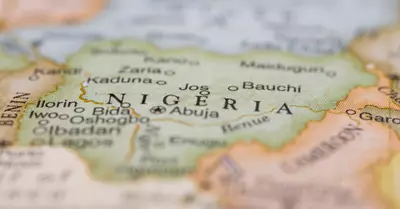
A Deep Heart Reflection. A powerful and deeply moving reflection on Christians in Nigeria who lost their lives on Palm Sunday while sharing their faith. Discover the cost of faith, the power of sacrifice, and what it means for believers today.
When Faith Meets the Cost of Life
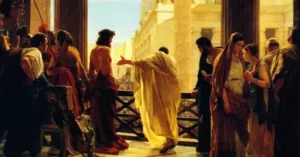
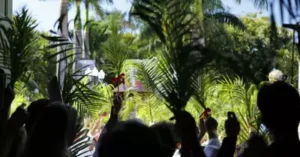
Palm Sunday is meant to be a day of joy. It is the day when Jesus Christ entered Jerusalem and people welcomed Him with praise and hope.
But in some parts of the world, this same message of hope comes with a cost that is difficult to understand.
In Nigeria, there have been moments where believers have faced severe persecution, even losing their lives simply because they chose to share their faith in Jesus Christ.
This is not just news.
This is not just a story.
This is a living reality that forces us to ask deeper questions about faith, courage, and commitment.
1. The Contrast of Palm Sunday: Celebration and Suffering
Palm Sunday represents celebration
People shouting
Hope rising
Faith being declared openly
But for some believers in Nigeria
The same act of sharing faith becomes dangerous
The same message of hope invites opposition
The same declaration of Jesus brings persecution
Deep Reflection
This contrast reveals something powerful
Faith is not always comfortable
Faith is not always safe
Faith is not always accepted
The same Jesus who was welcomed on Palm Sunday was rejected just days later
2. The Reality of Persecution Today
Many believers around the world still face persecution for their faith
In places like Nigeria
Sharing the gospel can mean
Risking safety
Facing rejection
Enduring hardship
Spiritual Insight
Persecution reveals the depth of true faith
It separates
Casual belief from committed faith
Comfort from conviction
Words from reality
These believers did not just talk about faith
They lived it even when it cost everything
3. The Courage to Stand Firm
What gives a person the courage to continue sharing their faith even when facing danger
It is not human strength alone
It is
A deep conviction of truth
A personal experience of God’s love
A hope that goes beyond this life
Heart Reflection
These believers remind us
Faith is not only about what we receive
It is about what we are willing to stand for
4. What Their Story Teaches Us
The lives of these believers speak loudly even after they are gone
They teach us
Faith is valuable
Truth is worth standing for
Love is stronger than fear
Personal Reflection
Ask yourself
What does my faith mean to me
Is it only convenient or deeply rooted
Would I still stand if it cost me something
5. The Message Behind the Pain
Even in suffering
There is a message
The message is not defeat
It is not loss
It is
Faith that cannot be silenced
Hope that cannot be destroyed
Love that continues to reach others
The story of these believers reflects the same pattern seen in Jesus
Suffering followed by victory
Sacrifice followed by impact
Reflection Table
| Situation | Human Perspective | Spiritual Meaning |
|---|---|---|
| Persecution | Loss | Faithfulness |
| Fear | Weakness | Opportunity for courage |
| Suffering | Pain | Purpose |
| Death | End | Eternal impact |
Deep Reflection Questions
What does it mean to truly follow Jesus
Is my faith based on comfort or conviction
How can I live more boldly for my faith
What am I willing to stand for
A deeply researched and practical article detailing the historical context, scale, data, causes, and lived impact of violence against Christians in Nigeria, including recent Palm Sunday killings and what believers, communities, and global supporters can practically do.
Understanding the Crisis Beyond Headlines
The violence against Christians in Nigeria has been escalating for more than a decade, transforming what should be sacred gatherings into scenes of sorrow, vulnerability, and loss. The recent Palm Sunday 2026 attacks on Christian communities in Jos, Plateau State are one of many tragic reminders that the cost of sharing faith in parts of Nigeria can be life‑threatening.
This section goes beyond headlines to explore the historic roots, numerical scale, patterns of violence, and practical implications for believers and their communities, especially those living under threat.
Historical Background: How Violence Evolved
Nigeria’s violence scene is complex. Ethnic, economic, political, and religious tensions have intermingled over decades to create a highly volatile landscape.
Christians and Muslims both live across Nigeria’s regions. In the northern and central Middle Belt areas, where communities are mixed, friction has often arisen from disputes over land, resources, and governance. These conflicts have sometimes taken on religious expressions, as extremist ideologies and criminal elements fill gaps left by insufficient state protection.
Since the rise of Boko Haram and later splinter groups like ISWAP, violence has included bombings, kidnappings, and targeted killings. Local militia groups and criminal networks have also contributed to cycles of retaliation and fear.
Data and Scale: How Many Lives Have Been Lost?
Accurately quantifying religiously based violence is challenging, but multiple reports and independent trackers show significant and ongoing loss of life among Christian communities in Nigeria:
- Between July 2009 and early 2023, an estimated over 52,000 Christians were killed in Nigeria, according to civil liberties research—the result of a variety of targeted violence, abductions, and attacks.
- In 2025, global persecution monitoring groups reported that Nigeria accounted for an extremely high proportion of Christian fatalities worldwide—around 3,490 of the 4,849 Christians killed globally were in Nigeria, making up roughly 72 % of the total worldwide figure for that period.
- Recent Palm Sunday attacks resulted in dozens killed in predominantly Christian areas of Plateau State, with reports of at least 27–30 people killed in the largest incident, and total deaths from multiple attacks nearing 50+ victims.
These figures reflect documented incidents. In many rural communities without consistent reporting, some deaths may not be recorded immediately, so the real toll may be higher.
Violence Data Summary Table
| Time Period | Approximate Christian Fatalities | Source |
|---|---|---|
| 2009–2023 | >52,000 | Civil liberties research |
| 2025 (Global comparison) | ~3,490 in Nigeria (72% worldwide) | Open Doors World Watch List |
| Palm Sunday 2026 | ~27–30+ in Jos attacks | Local reporting |
Patterns and Causes: Understanding Why Violence Occurs
Multiple layers drive these incidents:
1. Extremist Ideology and Insurgent Groups
Groups associated with Boko Haram and ISWAP, as well as some loosely affiliated militants, have been involved in attacks on communities perceived as “outsiders” or “unbelievers,” making public Christian gatherings potential targets.
2. Ethnic and Resource Conflicts
Much violence occurs along ethnic and farmer–herder lines in the Middle Belt. Access to land, water, and grazing sometimes sparks clashes that devolve into fatal confrontations, with religion becoming a marker of group identity.
3. Weak Protection Mechanisms
Many communities report frustration with local government and security forces, saying protection is inconsistent or inadequate in the face of armed groups and rapid, mobile attacks.
The Human Impact: Beyond Numbers
The human toll of persecution goes far beyond fatalities. Consider the broader repercussions:
- Families torn apart, with parents, children, or spouses lost
- Trauma and psychological wounds among survivors
- Displacement, as families flee communities for safety
- Erosion of community structures, including schools and churches
These impacts create a cycle of fear that affects future generations and reshapes the social and spiritual landscape of affected regions.
Voices from the Ground
Church leaders and community representatives have publicly condemned these attacks, stressing that days meant for peace and reflection—such as Palm Sunday—have instead been marred by violence. Christian leaders emphasized that sacred days, expected to be times of hope and unity, should never be turned into scenes of bloodshed.
Practical Responses: What Can Be Done
While ending large‑scale violence requires political, legal, and security reforms, there are practical steps believers and supportive communities can take:
A. Strengthening Local Support Networks
- Establish community care groups for survivors
- Provide psychological support services
- Ensure displaced families have access to basic necessities
B. Promoting Peaceful Dialogue
Finding and nurturing common ground with neighbors can help reduce misunderstandings. Local interfaith discussions and community forums can build trust and de‑escalate tensions.
C. Advocacy and Awareness
Global awareness and diplomatic engagement can pressure authorities for better protection. Sharing stories responsibly, supporting humanitarian efforts, and advocating for religious freedom can amplify support for affected communities.
Reflection Questions
- What does it mean to share faith knowing that it could endanger life?
- How can believers balance courage and wisdom in contexts of persecution?
- In what ways can distant communities support those facing violence without creating exploitation or sensationalism?
- How does understanding this context deepen compassion and prayer life?
The persecution of Christians in Nigeria—especially those targeted around sacred occasions like Palm Sunday—reflects a tragic convergence of ideological extremism, local conflict dynamics, and gaps in protection mechanisms. The scale of violence, with thousands killed over recent years and recurring incidents on holy days, highlights an urgent need for practical responses rooted in compassion, security, and advocacy.
These stories of loss are not distant news. They are lived realities—calling all believers and global communities to move beyond sympathy toward meaningful prayer, support, and practical action.
From Tragedy to Teaching
The persecution of Christians in Nigeria, including tragic events such as the Palm Sunday killings, is a stark reminder of how faith and courage can intersect with danger. Yet, amid grief and loss, there are profound lessons for every believer and church community worldwide.
Understanding this reality is not meant to instill fear, but to cultivate spiritual maturity, practical wisdom, and deep compassion. The final reflection focuses on what we can learn, how to act, and how faith strengthens us even in crisis.
1. Lessons Learned: Faith in the Midst of Danger
A. Faith Is Tested but Not Defeated
Christians in Nigeria demonstrate that sharing faith may involve risk, yet steadfast trust in God sustains communities. Scripture reminds us:
“Blessed are those who are persecuted because of righteousness, for theirs is the kingdom of heaven.” — Matthew 5:10
Believers are called to live courageously, knowing that God sees every act of faith, even when the world responds with hostility.
B. Compassion and Solidarity Are Essential
Losses are never just individual—they affect families, villages, and churches. Christians elsewhere are reminded to pray fervently, provide tangible support, and foster solidarity with those suffering.
C. Prayer and Reflection Strengthen Resilience
Daily prayer, spiritual reflection, and intercession provide emotional and spiritual fortitude to withstand trauma and grief.
2. Practical Takeaways for Believers Worldwide
While not everyone faces life-threatening persecution, these lessons can be applied to personal faith, community support, and church engagement:
| Lesson | Practical Application | Example |
|---|---|---|
| Faith under pressure | Strengthen personal devotion through daily Scripture and prayer | Set aside specific prayer times for persecuted believers |
| Community support | Organize or join church initiatives to aid victims | Collect resources for displaced families or support local NGOs |
| Awareness and advocacy | Educate your community about global persecution | Host a discussion or seminar on religious freedom and Nigerian context |
| Compassionate action | Contribute practically, emotionally, or financially | Donate to trauma recovery centers or refugee programs |
| Resilience in hardship | Reflect on God’s sovereignty and justice | Meditate on Romans 8:28 and share hope in sermons or small groups |
3. Spiritual Reflections: Turning Pain into Purpose
- Suffering can cultivate empathy: Experiencing or learning about persecution opens hearts to pray and act for those in need.
- Hope is found in God, not circumstances: Even in the darkest times, the promise of God’s justice and restoration provides a firm foundation.
- Faith is active: Witnessing to God’s love may take the form of prayer, advocacy, or direct support, showing that faith moves beyond words into deeds.
Frequently Asked Questions (FAQ)
Q1: Why are Christians specifically targeted in Nigeria?
A1: While multiple factors converge, extremist ideology, religious intolerance, and competition over land/resources have made Christians vulnerable, especially in mixed-religion areas.
Q2: How can Christians outside Nigeria help?
A2: Through prayer, financial support to credible NGOs, awareness campaigns, and advocacy for religious freedom.
Q3: Is it safe for believers in Nigeria to continue practicing faith?
A3: Faithful worship continues, often with precautions. Strengthening community safety networks, early-warning systems, and resilience initiatives is crucial.
Q4: How do we prevent despair when learning about such tragedies?
A4: Focus on God’s promises, take practical steps to help, and participate in community support to convert grief into constructive action.
Responding with Faith and Compassion
- Pray daily for the families, pastors, and communities affected by persecution in Nigeria.
- Educate your local church about global Christian persecution to foster awareness.
- Support credible organizations that provide aid and trauma recovery for affected communities.
- Advocate for religious freedom through petitions, discussions, and social platforms.
- Reflect personally: Consider how your own faith can grow stronger through understanding sacrifice and courage.
A Message of Hope and Strength
The deaths of believers, especially during holy celebrations like Palm Sunday, call the global church to recognize the cost of faith and the value of steadfastness. These tragedies remind us:
- Faith requires courage, hope, and action.
- Communities thrive when they support one another, spiritually and practically.
- The Gospel transcends fear, teaching believers to trust God in life, death, and persecution.
May these lessons guide us to pray, act, and cultivate deeper faith, ensuring that the sacrifices of persecuted Christians are honored through practical love, compassion, and unwavering trust in God.