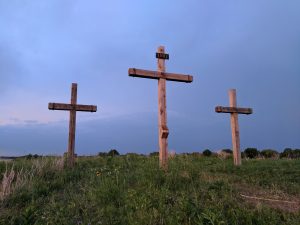
Discover how to live a transformed life through the power of forgiveness. This final chapter offers a complete guide to embracing grace, releasing bitterness, and walking in freedom through Christ. Includes FAQs, salvation message, and practical steps to apply daily.
Understanding the Nature of Forgiveness
What Is Forgiveness, Really?
Forgiveness is not merely saying “I forgive you” or pretending that the pain didn’t matter. True forgiveness is a deep, often painful, internal decision to release someone from the debt they owe you — emotional, relational, or spiritual. It is not about ignoring the wound, but about choosing freedom over bondage. It is about letting go of resentment, revenge, and bitterness, even when justice feels denied.
Why Forgiveness Matters in the Christian Life
The Bible places radical importance on forgiveness. Not only is it central to the message of Jesus Christ, but it is also non-negotiable in the life of a believer. Jesus says in Matthew 6:14-15 (KJV):
“For if ye forgive men their trespasses, your heavenly Father will also forgive you: But if ye forgive not men their trespasses, neither will your Father forgive your trespasses.”
Forgiveness, then, is not just a personal virtue; it’s a divine requirement. Without it, we block the flow of God’s grace in our own lives.
What Forgiveness Is NOT
It’s essential to clarify what forgiveness does not mean:
- It does not mean forgetting the wrong.
- It does not mean pretending the hurt didn’t happen.
- It does not mean that you must trust the person again right away.
- It does not mean enabling abuse or staying in a toxic situation.
Forgiveness does not remove wisdom. You can forgive someone and still establish boundaries. You can forgive and still seek justice through appropriate means.
The Weight of Unforgiveness
Holding onto unforgiveness is like drinking poison and expecting the other person to die. Many Christians today walk with emotional, physical, and spiritual burdens simply because they refuse to release their offenders.
Hebrews 12:15 (KJV) warns:
“Looking diligently lest any man fail of the grace of God; lest any root of bitterness springing up trouble you, and thereby many be defiled.”
Unforgiveness is a seed of bitterness. Left unchecked, it grows into a tree of destruction—damaging relationships, destroying peace, and distancing us from God.
Jesus: The Ultimate Forgiver
At the heart of the Christian faith is the forgiveness Jesus offered on the cross. While hanging, beaten and bleeding, He cried out in Luke 23:34 (KJV):
“Father, forgive them; for they know not what they do.”
This wasn’t just about the Roman soldiers. It was about humanity. About you and me. Forgiveness cost Jesus everything. And yet, He freely gave it.
If Christ could forgive those who crucified Him, can we not ask Him for the strength to forgive those who have wounded us?
Begin With the Heart
True forgiveness starts not with the offender’s apology — but with your own heart’s readiness. Ask yourself:
- Am I willing to give this pain to God?
- Am I ready to surrender my need for revenge?
- Do I believe that God is just, and He sees what I’ve endured?
Sometimes, the first step is simply saying to God:
“Lord, I don’t know how to forgive, but I’m willing to let You begin the process in me.”
Practical Application
- Journal the Pain – Write out what happened. Don’t sugarcoat it. Get honest.
- Name the Offender – Write their name. Speak it in prayer. Bring it before God.
- Pray Honestly – Tell God how it hurt. Don’t hide it.
- Ask God for a Willing Heart – Even if you don’t feel ready, ask Him to make you willing.
- Read the Gospels – Reflect on how Jesus responded to those who betrayed, abandoned, and crucified Him.
2: Processing the Pain and Emotions Biblically
Why Deep Healing Requires Emotional Honesty
Forgiveness is not a shallow act. It is not a casual wave of the hand that says, “It’s fine.” Real forgiveness begins when we are honest about our pain — when we allow ourselves to feel it, grieve it, and bring it before God.
Many believers try to skip this step. They think being spiritual means suppressing emotion. But even Jesus wept (John 11:35). Even David cried out in anguish in the Psalms. And even the prophets poured their laments before the Lord.
Pain ignored is pain that festers. But pain surrendered is pain that heals. Before you can release your offender, you must recognize the wound they left.
What the Bible Teaches About Emotional Grieving
- Psalm 34:18 (KJV) says,
“The Lord is nigh unto them that are of a broken heart; and saveth such as be of a contrite spirit.”
- Ecclesiastes 3:4 reminds us,
“A time to weep, and a time to laugh; a time to mourn, and a time to dance.”
God created emotions. He is not afraid of your sorrow. He is not offended by your anger. In fact, He invites you to bring your whole heart to Him — bruised, bitter, or broken.
What Does Healthy Grieving Look Like for a Christian?
- Acknowledging the Hurt
- Say the pain out loud to God.
- “Lord, they betrayed me.”
- “They abandoned me when I needed them.”
- “They mocked me, abused me, destroyed my trust.”
God is not surprised by your honesty — He’s waiting for it.
- Naming the Emotions
Don’t just say, “I’m hurt.” Dig deeper. Is it anger? Shame? Embarrassment? Betrayal? Abandonment? Rejection?
Identifying the type of pain helps you to process it fully.
- Weeping Before the Lord
Cry. Yes, even you.
Psalm 56:8 (KJV) says:
“Thou tellest my wanderings: put thou my tears into thy bottle: are they not in thy book?”
Your tears matter to God. He doesn’t ignore them. He collects them. - Avoiding Bitterness
Anger is a valid emotion — but it becomes toxic if we feed it.
Hebrews 12:15 (KJV) warns us:
“Looking diligently… lest any root of bitterness springing up trouble you.”
The longer you nurture anger, the more it owns you. Surrender it.
“But I’m Still Angry. I’m Still Hurt.”
That’s okay. Forgiveness is not a feeling; it’s a choice. And that choice must sometimes be made daily, or even hourly.
It’s normal to wrestle with the pain even after you’ve decided to forgive. The goal here is not to rush healing — it is to invite Jesus into the deepest parts of your wound. He alone can touch the parts no therapy or self-help can reach.
Biblical Examples of Emotional Honesty Before Forgiveness
- Joseph (Genesis 45)
Joseph didn’t immediately forgive his brothers after they sold him into slavery. It took years. When they finally reunited, he wept so loudly the Egyptians heard him.
And only then, after weeping and revealing himself, did he say,
“You meant evil against me; but God meant it for good.”
- David (Psalms)
Read Psalm 55:
“It was not an enemy who reproached me… but it was thou, a man mine equal, my guide, and mine acquaintance.”
David processed betrayal deeply — and brought it before God honestly. - Jesus (Gethsemane)
Before the Cross, Jesus cried out:
“My soul is exceeding sorrowful, even unto death.” (Matthew 26:38)
He processed pain in the garden — before offering forgiveness at the Cross.
Emotional Processing Is Not Unspiritual — It’s Essential
Christians must understand: Faith does not deny pain — it surrenders it.
You are not weak for feeling emotions. You are human. And God meets you in that humanity. The Holy Spirit is called the Comforter (John 14:26) for a reason.
Practical Tools for Processing the Pain
- Prayer Journaling
Write letters to God. Express everything you feel. Be raw. Be real.
- Lament Psalms
Read Psalms like 13, 22, 55, 88. Make them your own prayer.
- Worship Through the Pain
Sing songs of surrender. Even if it’s through tears.
- Christian Counseling
If the wound is deep — seek godly help. Wise counselors can walk with you.
- Fasting & Solitude
Spend dedicated time with God. Let silence speak. Let Scripture heal.
You can’t forgive what you haven’t felt. You can’t release what you haven’t processed. And you can’t heal what you haven’t acknowledged. Jesus meets you in the process — not just at the destination.
So let the tears fall. Let the anger rise. Then, offer it all to the Lord who was wounded for your transgressions and bruised for your iniquities (Isaiah 53:5).
This is the holy ground of forgiveness.
3: Choosing to Forgive, Even When It Feels Impossible
“Forgiveness Is a Choice, Not a Feeling — A Daily Decision to Let Go and Let God”
Forgiveness Begins Where Our Strength Ends
Many people wait until they feel like forgiving before they act. But the truth is, you may never feel like forgiving — and that’s okay.
Forgiveness is not an emotional conclusion, but a spiritual decision. It’s an act of obedience, not sentiment.
You forgive, not because the offender deserves it, but because you are now living under a higher kingdom law — the law of grace.
👉 Matthew 6:14-15 (KJV) says:
“For if ye forgive men their trespasses, your heavenly Father will also forgive you:
But if ye forgive not men their trespasses, neither will your Father forgive your trespasses.”
That’s not a suggestion. It’s a command — a radical, countercultural, divine command.
Forgiveness is an Act of Willful Surrender
Forgiveness is not saying:
- “What they did was okay.”
- “I wasn’t hurt that badly.”
- “I trust them again.”
Instead, forgiveness is saying:
- “I no longer hold this debt over them.”
- “I choose to let go of revenge and resentment.”
- “I give God the right to deal with them.”
This step requires a deliberate choice — to cancel the spiritual debt and release the offender into God’s hands.
Biblical Example: Jesus on the Cross
Think about this: Jesus was whipped, mocked, spat on, stripped, crucified, and humiliated. He had every right to seek justice from the Father.
And yet, in Luke 23:34, He said:
“Father, forgive them; for they know not what they do.”
He chose forgiveness in the moment of His deepest suffering. Not after. Not later. But while the nails were still in His hands.
Forgiveness Is Not Forgetting — It’s Releasing
God doesn’t ask you to develop amnesia.
But He does ask you to stop being a prisoner of the offense.
“To forgive is to set a prisoner free and discover that the prisoner was you.”
— Lewis B. Smedes
Unforgiveness is like drinking poison and expecting the other person to die.
It chains your emotions. It steals your sleep. It ruins your peace. It gives power to the very person who hurt you.
But forgiveness? It’s freedom. It’s joy. It’s restoration of your own soul.
Real-Life Example: Corrie ten Boom
Corrie ten Boom was a Christian who survived the Holocaust. Years later, she met one of the Nazi guards who had abused her sister and watched her suffer. The man approached her and said:
“Fraulein, I have become a Christian. Will you forgive me?”
Corrie felt frozen. Everything in her screamed NO! But then she whispered:
“Jesus, I cannot forgive him. Give me Your forgiveness.”
She reached out, shook his hand, and later wrote:
“In that moment, the current passed through me, and I felt God’s love for that man. Forgiveness is not an emotion. Forgiveness is an act of the will — and the will can function regardless of the temperature of the heart.”
The Science Behind Forgiveness (and Why God Commands It)
Modern psychology confirms what Scripture has always said:
Forgiveness heals the body, mind, and soul.
- It lowers blood pressure
- It improves mental health
- It reduces anxiety and depression
- It increases lifespan
God doesn’t command forgiveness to burden us.
He commands it to set us free.
Practical Steps: How to Choose to Forgive Today
- Pray the Decision Aloud
Say it like a legal declaration:
“Lord, today I choose to forgive [Name]. I release them from the debt they owe me. I leave justice in Your hands.”
- Write a Letter (Don’t Send It)
Pour out your anger and pain in writing. Then write the words:
“I forgive you. Not because you earned it, but because I am forgiven.”
- Release the Offender in Prayer
Ask God to bless them. This is the hardest part — but it’s what Jesus taught:
“Love your enemies, bless them that curse you…” (Matthew 5:44)
- Repeat as Needed
Forgiveness is rarely a one-time event. You may have to choose it again tomorrow. That’s okay.
Forgiveness is a process before it’s a permanent peace.
Answering Common Objections
❓“But they didn’t say sorry.”
You don’t need their apology to forgive. Jesus forgave without an apology.
❓“They might do it again.”
Forgiveness is not the same as trust. You can forgive someone and still set boundaries.
❓“I want justice!”
God will bring justice. Romans 12:19:
“Vengeance is mine; I will repay, saith the Lord.”
Action Challenge: Forgiveness Journal
Start a 7-day forgiveness journal. Each day, write:
- Who you are forgiving
- What you are releasing
- A verse to pray over them
- A sentence of blessing for them
Examples:
- “I forgive my father for abandoning me. I release him from anger. May God restore his soul.”
- “I forgive my friend for betraying me. I choose peace. May God heal their heart.”
Quotes from Great Christian Thinkers
“To be a Christian means to forgive the inexcusable, because God has forgiven the inexcusable in you.”
— C.S. Lewis
“Forgiveness is the final form of love.”
— Reinhold Niebuhr
“There is no love without forgiveness, and there is no forgiveness without love.”
— Bryant H. McGill
- Forgiveness is a decision, not an emotion.
- It’s about releasing the offender, not forgetting the offense.
- You forgive not because they’re worthy — but because you’ve been forgiven by God.
- You may not feel like forgiving — but you can still choose to forgive.
4: Rebuilding Trust and Setting Healthy Boundaries After Forgiveness
(An Intensely Deep, Practical, and Spiritual Guide with Maximum Words and Real-Life Depth)
“Forgiveness Does Not Mean Trust—Healing Requires Boundaries, Wisdom, and Spirit-Led Discernment”
Trust: A Bridge That Forgiveness Doesn’t Always Rebuild
There is a common myth in the Christian world that says, “If you’ve truly forgiven someone, you must let them back into your life just as before.”
But Scripture never teaches that forgiveness and trust are the same thing. In fact, forgiveness is given freely, but trust is earned slowly.
Forgiveness is about the past.
Trust is about the future.
Letting go of offense doesn’t mean you must invite someone to hurt you again.
Jesus forgave freely on the cross, but He did not entrust Himself to everyone.
👉 John 2:24 (KJV):
“But Jesus did not commit himself unto them, because he knew all men.”
He knew their hearts. He practiced wise boundaries, even while walking in perfect love.
Biblical Truth: You Can Forgive and Still Guard Your Heart
Proverbs 4:23 (KJV):
“Keep thy heart with all diligence; for out of it are the issues of life.”
This verse is not a poetic suggestion — it is a command.
After forgiving someone who has betrayed, abused, manipulated, or wounded you, God invites you to become a wise steward of your own heart.
Forgiveness is spiritual.
Boundaries are practical.
Both are holy.
Why Forgiveness Without Boundaries Can Become Self-Harm
If you were walking through a forest and were bitten by a poisonous snake, would you return to the same spot the next day and lie down again?
Of course not. That would be foolish.
But many believers, in the name of “grace,” reopen themselves to emotional, relational, or even physical danger.
They mistake mercy for naivety.
True forgiveness says:
- “I release you from your debt.”
- “I am no longer your judge.”
- “I wish you well.”
But it also wisely adds:
- “I need time to heal.”
- “I will love you from a distance.”
- “I trust God — not automatically you.”
What Rebuilding Trust Looks Like: Brick by Brick
Trust is not like a light switch that can be turned back on.
It is a bridge rebuilt slowly, stone by stone, through consistency, truth, repentance, and transparency.
🔄 7 Steps to Rebuild Trust After Forgiveness:
- Acknowledge the Hurt
- Healing begins with truth. If someone refuses to acknowledge the pain they caused, rebuilding trust becomes nearly impossible.
- Demonstrate Repentance (Not Just Regret)
- Regret says, “I’m sorry I got caught.”
- Repentance says, “I’ve changed because I hate what I did.”
- Establish Clear Boundaries
- This could mean distance, counseling, supervision, or time apart.
- Boundaries are not revenge — they’re protection.
- Require Consistency Over Time
- A changed life is not proved in one day.
- Let time become the measure of transformation.
- Invite Accountability
- Those who are truly repentant will welcome oversight, not resent it.
- Use Spirit-Led Discernment
- Not every relationship should be restored to what it once was.
- Ask: “Lord, what level of relationship do You want me to have with this person?”
- Involve Wise Counsel
- Talk to mature believers, mentors, pastors. Don’t walk this road alone.
Boundaries Are Not Bitterness — They Are Wisdom
Many Christians fear setting boundaries because they believe it signals unforgiveness.
But setting limits is not the same as being hard-hearted.
Jesus said, “Be wise as serpents and harmless as doves.”
— Matthew 10:16
Wisdom requires us to guard what is sacred, including:
- Your peace
- Your time
- Your emotional space
- Your healing process
Forgiveness releases the past.
Boundaries protect the future.
Real-Life Scenario: A Marriage After Betrayal
Imagine a wife whose husband cheated on her. She decides to forgive him — but does that mean she immediately trusts him with her heart again?
No.
A healthy path might include:
- Counseling
- Weekly accountability check-ins
- Transparent communication
- Time apart (if needed)
- Practical safeguards (like shared passwords, financial clarity)
If the husband shows true repentance, trust may be rebuilt.
But if he dismisses the pain, demands instant trust, or resents boundaries — it’s a sign of deeper issues.
👉 Forgiveness opens the door to healing.
👉 But rebuilding trust requires the other person to walk through that door with humility and action.
Hard Truth: Not Every Relationship Will Be Restored
Sometimes, after forgiveness, God calls you to release a relationship permanently.
- An abusive parent.
- A toxic friend.
- A spiritually manipulative leader.
Restoration is ideal — but not always possible.
Romans 12:18 says:
“If it be possible, as much as lieth in you, live peaceably with all men.”
“If it be possible.” That means sometimes… it isn’t.
In such cases, release them with love, but walk away with peace.
Practical Tools: How to Set Godly Boundaries
- Write a Boundary List
- What is okay and not okay for you now?
- What actions must the person take to regain closeness?
- Use “I” Language, Not “You” Accusations
- Say: “I need time to rebuild safety” instead of “You broke me.”
- Be Clear and Firm
- Don’t give mixed signals. Say what you need with love but clarity.
- Don’t Apologize for Guarding Your Heart
- Boundaries are not rejection — they are stewardship.
- Check Your Motives
- Ask: “Am I setting this boundary from fear, or from wisdom?”
Spirit-Led Boundaries: The Example of Paul and Barnabas
In Acts 15:36–41, Paul and Barnabas split over a disagreement about John Mark.
Did they hate each other? No.
Did they forgive? Yes.
But did they part ways for a season? Absolutely.
This was not bitterness.
It was wise separation for the sake of mission, unity, and clarity.
Even the apostles practiced God-honoring boundaries.
- Forgiveness is instant. Trust is earned.
- Boundaries are spiritual and wise.
- You can love someone without re-entering the same dynamic.
- Discernment is critical — ask the Holy Spirit to guide restoration.
- Some relationships will be rebuilt. Others will be released. Both can be holy.
Supporting Bible Verses
- Proverbs 22:3 — “A prudent man foreseeth the evil, and hideth himself.”
- Matthew 7:6 — “Give not that which is holy unto the dogs…”
- Amos 3:3 — “Can two walk together, except they be agreed?”
- Galatians 6:1 — “…restore such an one in the spirit of meekness…”
Questions to Reflect On
- What boundaries do I need to set to protect my healing?
- Am I feeling pressured to trust someone before they’ve repented?
- Have I confused forgiveness with reconciliation?
- What would wise, Spirit-led restoration look like in this situation?
Action Challenge: Create a “Forgiveness & Boundary Plan”
Write down:
- Who you forgave
- What trust means in this case
- What boundaries are necessary
- What you’re asking God to do in their life
- How you’ll respond if they try to manipulate or cross your limits
5: Living in the Freedom of Forgiveness — Sustaining Peace, Grace, and Emotional Wholeness Every Day
Introduction: Forgiveness Is Just the Beginning
Forgiveness is not a one-time event — it is a lifelong journey. Once you make the decision to forgive and have started rebuilding trust and setting boundaries, the real work of living in freedom begins.
Without sustained effort, old wounds can reopen, bitterness can creep back, and unforgiveness can subtly return.
This step will guide you through how to live daily in the freedom that forgiveness brings, how to guard your heart, and how to extend grace to yourself and others as you walk forward.
1. Embrace Your Identity as a Forgiven Child of God
To live freely, you must first remember who you are in Christ. You are forgiven by the King of Kings, fully loved and completely accepted. Your identity no longer depends on past hurts or the debts others owe you.
Ephesians 1:7 (KJV):
“In whom we have redemption through his blood, the forgiveness of sins, according to the riches of his grace.”
When unforgiveness tries to sneak back, remind yourself:
- I am forgiven.
- I am free.
- I belong to God.
Your worth and peace come from Him — not from others or your circumstances.
2. Daily Practice of Surrender
Living in forgiveness is an active process. It’s not “forgive once and forget forever.” It is a daily surrender of your emotions, memories, and future fears to God.
2 Corinthians 12:9 (KJV):
“My grace is sufficient for thee: for my strength is made perfect in weakness.”
When painful memories resurface or resentment tries to return, surrender those feelings immediately to God. Pray something like:
“Lord, I release this anger and pain to You again today. Fill me with Your peace and grace.”
3. Cultivate a Lifestyle of Gratitude
Gratitude is a powerful weapon against bitterness.
1 Thessalonians 5:18 (KJV):
“In every thing give thanks: for this is the will of God in Christ Jesus concerning you.”
By focusing on what God has done — rather than what others have done to you — you shift your heart from resentment to joy.
Practical Tips:
- Keep a gratitude journal. Write 3 things daily you are thankful for.
- Reflect on God’s faithfulness and mercy every morning.
- Share testimonies of God’s forgiveness in your life.
Gratitude renews the mind and restores joy.
4. Renew Your Mind with Scripture
Unforgiveness is often fueled by lies we tell ourselves — “They don’t deserve forgiveness,” “I’ll never be free,” or “I’ll be hurt again.”
Combat these lies by daily immersing yourself in God’s Word. Let truth replace pain.
Romans 12:2 (KJV):
“And be not conformed to this world: but be ye transformed by the renewing of your mind…”
Memorize and meditate on verses about forgiveness, peace, and God’s justice.
Key verses:
- Matthew 6:14-15
- Psalm 34:18
- Isaiah 41:10
- Philippians 4:6-7
5. Walk in the Spirit — Not the Flesh
Forgiveness flows out of the Spirit-filled life. When you live by the Spirit, your heart is softened, and the fruits of the Spirit (love, joy, peace, patience) are nurtured.
Galatians 5:16-22 (KJV):
“This I say then, Walk in the Spirit, and ye shall not fulfil the lust of the flesh… the fruit of the Spirit is love, joy, peace, longsuffering, gentleness, goodness, faith…”
Ask the Holy Spirit daily to fill you, guide you, and empower you to forgive anew each day.
6. Forgive Yourself and Extend Grace to Yourself
Often, we are harder on ourselves than others. Guilt, shame, and self-condemnation can block peace.
Romans 8:1 (KJV):
“There is therefore now no condemnation to them which are in Christ Jesus…”
Forgiveness includes accepting God’s grace for your own failures. This frees you to walk in peace and extend that grace outward.
7. Establish Supportive Relationships
Healing happens best in community. Surround yourself with people who will:
- Encourage your forgiveness journey
- Pray with you
- Speak truth into your life
- Hold you accountable to peace
Fellowship keeps you rooted.
8. Practice Forgiving Small Offenses
Daily life brings many minor hurts. Practicing forgiveness regularly keeps your heart soft and ready.
When someone cuts you off in traffic, snaps at you, or irritates you — forgive quickly.
Colossians 3:13 (KJV):
“Forbearing one another, and forgiving one another…”
9. Maintain Healthy Boundaries
Freedom doesn’t mean vulnerability without protection. Boundaries are a way to preserve peace.
Revisit your boundaries regularly and adjust as healing progresses.
10. Celebrate Freedom and Offer Forgiveness as a Gift
When you forgive, you give a powerful gift — to yourself and others.
Celebrate milestones in your forgiveness journey. Share testimonies. Encourage others.
Great Christian Quotes on Living in Forgiveness
“Forgiveness does not change the past, but it does enlarge the future.” — Paul Boese
“To forgive is the highest, most beautiful form of love. In return, you will receive untold peace and happiness.” — Robert Muller
“The weak can never forgive. Forgiveness is the attribute of the strong.” — Mahatma Gandhi
Q1: What if the offender never asks for forgiveness?
A: You can still forgive. Forgiveness is for your freedom, not their apology.
Q2: How do I forgive repeated offenses?
A: Forgive daily, set firm boundaries, seek wisdom, and ask God to heal your heart.
Q3: Can forgiveness restore a broken relationship?
A: Sometimes yes, sometimes no. Forgiveness opens the door, but restoration requires repentance and change.
- Reflect: Who do you need to forgive today?
- Pray: Ask God for strength to release your pain.
- Journal: Write out your forgiveness prayer.
- Share: Encourage someone else in their forgiveness journey.
May the God of peace fill your heart with joy and freedom as you walk in the power of forgiveness.
May He heal your wounds and restore your soul, making you a beacon of His grace and mercy.
Walk in peace, walk in love, walk free — for Christ has already set you free.
Conclusion: Forgiveness as a Lifestyle, Not Just a One-Time Choice
Forgiveness is not merely a momentary decision—it is a lifestyle, a continuous surrender, and a reflection of Christ’s own heart. As we have journeyed through the profound depths of “How to Forgive Others,” we now stand at the edge of a renewed path—one marked not by pain or vengeance, but by healing, reconciliation, and unshakable joy.
When you forgive others, you are not excusing sin, nor are you weakening justice. Rather, you are rising above your wounds to live as a child of God, healed by His mercy and empowered by His love. You are declaring to the world: “I am free because Christ has set me free.”
True forgiveness sets the captives free, and more often than not, that captive is you.
- Is there someone you need to forgive today?
- Are you carrying pain that Christ wants to heal?
- Will you choose freedom over bitterness?
👉 Start today. Write that letter. Say that prayer. Release that weight.
Share this message with others who need freedom. Help us spread the transforming power of biblical forgiveness by sharing this article on social media, preaching it in your small groups, and living it in your daily relationships.
Message of Salvation: The Ultimate Forgiveness
The foundation of forgiveness is the cross. Jesus Christ bore the weight of all sin so that we could be forgiven and born again.
“In whom we have redemption through his blood, the forgiveness of sins, according to the riches of his grace.”
— Ephesians 1:7 (KJV)
If you have not yet experienced the forgiveness of God through Jesus Christ, this is your moment.
🛐 Pray this prayer from your heart:
“Lord Jesus, I know I am a sinner. I believe You died on the cross for my sins and rose again. I repent and ask You to forgive me. Cleanse me, heal me, and give me a new heart. Today, I choose You as my Lord and Savior. In Jesus’ name, Amen.”
Welcome to the family of God. You are forgiven, and your new life begins now!
Discussion Questions
- Why is forgiveness often harder to give than to receive?
- What does Jesus teach us about forgiveness in Matthew 18:21–35?
- How has forgiveness affected your personal life or relationships?
- Can you truly forgive without confronting the person who hurt you?
- What role does prayer play in helping you forgive others?
Frequently Asked Questions (FAQs)
Q1: Is it necessary to forgive someone who never apologized?
Yes. Forgiveness is for your healing, not their validation. You can release bitterness without needing an apology.
Q2: What if I keep remembering the offense?
Forgiveness is a process. Each time you remember, choose to surrender the pain to God again. Over time, healing will follow.
Q3: Should I restore the relationship after forgiving?
Forgiveness and reconciliation are different. You can forgive without resuming a toxic relationship. Use wisdom and prayer.
Q4: How do I forgive myself?
Accept that God has already forgiven you in Christ. Meditate on Scriptures like Romans 8:1 and walk in grace.
Q5: Can forgiveness be forced?
No. Forgiveness must be a voluntary act of the will, empowered by God’s grace. You cannot fake true forgiveness.
Quotes from Great Theologians & Christian Thinkers
- C.S. Lewis: “To be a Christian means to forgive the inexcusable, because God has forgiven the inexcusable in you.”
- Corrie Ten Boom: “Forgiveness is the key that unlocks the door of resentment and the handcuffs of hatred.”
- Charles Spurgeon: “Forgiveness is the sweetest fruit of the tree of life.”
- Martin Luther: “Forgiveness is God’s command—and His greatest gift.”
May the Lord bless you and keep you;
May He make His face shine upon you and be gracious to you;
May He turn His face toward you and give you peace—
As you walk in the power of forgiveness,
Rooted in grace,
Filled with hope,
And clothed in love.
In the name of Jesus Christ, Amen.
Need prayer? Questions?
Visit our homepage or contact us directly — we’re here to walk with you.
👉 Back to Homepage
👉 Read more about Eternal Life
👉 Subscribe for Weekly Devotionals & Resources