Seven Divine Symbols of Friday’s Crucifixion
Unveiling the Hidden Messages Behind the Symbols of the Cross
The crucifixion of Jesus Christ on Good Friday is not just a historical event—it is a divine revelation encoded in symbols, each carrying unfathomable depth and eternal significance. These seven divine symbols are more than physical elements of the crucifixion—they are spiritual signposts pointing to the core of God’s redemptive love.
Let us take a deeper look into the mystical, prophetic, and theological meanings behind these symbols. Each one unveils a dimension of God’s plan that was fulfilled in the death of Jesus Christ.
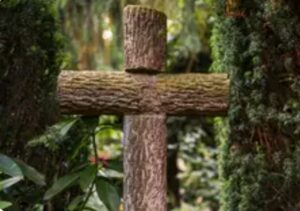
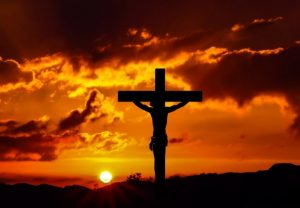
1. The Cross (✝️) – The Ultimate Altar of Atonement
The cross, an ancient execution device, was transformed into the greatest symbol of hope for humanity. Crucifixion was Rome’s cruelest form of punishment, designed to inflict slow, agonizing death. But in God’s sovereign plan, the cross became the altar upon which the Lamb of God was sacrificed.
Theological Meaning:
The cross became the intersection of divine justice and mercy. It was on the cross that God’s wrath against sin was fully satisfied (Romans 3:25), and at the same time, His love was magnified (John 3:16).
“He himself bore our sins in his body on the tree, that we might die to sin and live to righteousness.” — 1 Peter 2:24
Historical Echo:
Roman crosses were placed on main roads to make criminals a public example. Jesus was crucified publicly, not in private, signifying that God’s salvation is for all to see and receive.
Symbolic Power:
The vertical beam represents our connection to God. The horizontal beam symbolizes our connection to each other. The cross is both relational and redemptive.
2. The Crown of Thorns (♛) – The Curse Reversed
Jesus was mockingly crowned with thorns, a symbol of both pain and insult. Yet spiritually, this act carried profound significance.
Theological Meaning:
In Genesis 3:18, after the fall, God told Adam the ground would produce “thorns and thistles.” Thorns represent the curse of sin. Jesus wearing the crown of thorns means He bore the curse for us.
“Christ redeemed us from the curse of the law by becoming a curse for us…” — Galatians 3:13
Symbolic Power:
A king’s crown is a sign of glory, but Jesus’ crown was made of pain—showing He reigns not by domination, but through suffering love. He is the King of Kings, not with gold, but with blood.
3. The Nails (🪛) – The Bond of Redemption
The Roman nails that pierced Jesus’ hands and feet are more than instruments of death; they are tokens of eternal redemption.
Theological Meaning:
In ancient Israel, slaves who willingly served their master forever had their ears pierced with a nail (Deuteronomy 15:16–17). By allowing Himself to be nailed, Jesus was saying, “I give myself willingly.”
“They have pierced my hands and feet…” — Psalm 22:16
Symbolic Power:
The nails represent:
- Obedience unto death
- Permanence of salvation
- The sealing of the New Covenant in His blood
The wounds from the nails remained even after resurrection (John 20:27)—a permanent sign of His sacrifice.
4. The Seamless Robe (🧥) – The Unity of Salvation
John 19:23–24 tells us the soldiers didn’t tear Jesus’ seamless garment but cast lots for it.
Theological Meaning:
The seamless robe symbolizes unity—there is no division in Christ’s righteousness. Salvation is whole, undivided, and perfect.
“That they may be one even as we are one.” — John 17:22
Symbolic Power:
This garment also points to Jesus’ high priesthood. In Exodus 28:31–32, the high priest wore a seamless tunic. Jesus, our eternal High Priest, wears righteousness that cannot be torn.
5. The Blood and Water (🩸💧) – The Birth of a New Covenant
When a soldier pierced Jesus’ side, blood and water flowed out (John 19:34).
Theological Meaning:
- Blood represents atonement (Leviticus 17:11).
- Water represents cleansing (Ephesians 5:26) and new birth (John 3:5).
From Christ’s pierced side, the Church was born, just as Eve came from Adam’s side. His death was not just an end—but a new beginning.
Symbolic Power:
- Blood and water together speak of justification and sanctification.
- They also symbolize baptism and communion, sacraments of the Church.
6. The Torn Veil (⛪) – The Barrier Removed
The moment Jesus died, the veil in the temple was torn from top to bottom (Matthew 27:51).
Theological Meaning:
This veil separated the Holy of Holies—where God’s presence dwelt—from the rest of the temple. Only the High Priest could enter once a year.
By tearing the veil, God declared: “Access granted.” The separation between God and man is removed forever.
“We have confidence to enter the Most Holy Place by the blood of Jesus.” — Hebrews 10:19–20
Symbolic Power:
- The veil torn from top to bottom shows it was God who did it.
- Christ is now the only Mediator—we need no more earthly priests.
7. The Darkness and Earthquake (☁️⚡) – The Judgment Revealed
During the crucifixion, from noon to 3 p.m., darkness covered the land (Matthew 27:45), and when Jesus died, the earth shook, rocks split, and graves opened (Matthew 27:51–52).
Theological Meaning:
- Darkness symbolizes God’s judgment (Amos 8:9).
- The earthquake symbolizes divine intervention and cosmic upheaval.
Nature itself responded to the death of its Creator.
Symbolic Power:
- Darkness at midday signified the sin of the world being judged.
- The earthquake was heaven shaking earth to say, “This is no ordinary death.”
- The graves opening foreshadowed the resurrection of believers.
Conclusion: A Symphony of Symbols, A Story of Salvation
These seven divine symbols of Good Friday form a sacred tapestry. Each thread, each detail, is woven with purpose, power, and prophecy. The cross was not a random event; it was a divine drama, staged with eternal significance.
Jesus Christ, through these symbols:
- Fulfilled prophecy,
- Revealed God’s heart,
- Redeemed mankind,
- And opened the way to eternal life.
Reflective Questions:
- Which symbol of the crucifixion speaks to your heart the most today?
- Have you embraced the fullness of what these symbols represent in your life?
- How can you live daily in light of the divine meaning behind the cross?
May the unfailing grace and love of our Lord be with you.
Please don’t forget to comment, share, and spread the message of the Cross.
Meta Description: Explore the 7 divine symbols of Jesus Christ’s crucifixion on Good Friday. This 1000+ word article dives deep into the prophetic, spiritual, and theological meaning behind the cross, thorns, nails, veil, and more. A soul-stirring journey into the heart of redemption.