What Message Does Jesus’ Empty Tomb Convey?
– An in-depth and detailed analysis
The empty tomb of Jesus Christ represents the center and fulfillment of the Christian faith. Its profound meaning is not merely a historical fact, but rather a powerful tool for revealing the mysterious message of life, death, and resurrection from a philosophical and spiritual perspective. When we think of the empty tomb of Jesus, we are not just talking about a physical object, but we are present at an event that has profoundly affected every person, culture, and religion in the world. A deep analysis of the empty tomb of Jesus gives us a powerful message about the reality of life and death, the importance of faith and salvation, and the reconstruction of ultimate hope. In this article, we will understand the meaning of the empty tomb of Jesus from different angles, which elevate it above a mere historical event, making it a source of spiritual and vital guidance for us.
1. The significance of Jesus’ death and burial
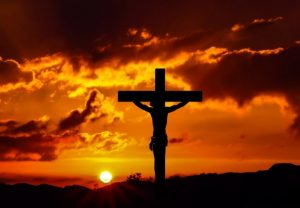
The death and burial of Jesus Christ is not just a historical event, it is a significant event that confirms the message of sin and death. Jesus faced physical and spiritual death and made a perfect sacrifice for the sins of the whole world. Jesus’ burial restored the relationship between humanity and God. Because of Jesus’ death, humanity can now return to reconciliation with God. This event fulfilled all the words of the Bible and opened the way for man’s salvation.
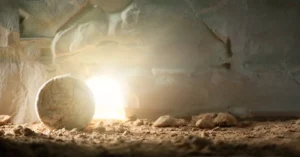
Jesus’ physical presence in the tomb shows that the penalty for sin has been paid. The deep religious meaning and spiritual message of this event is that only a spotless sacrifice is capable of paying the price for sin. After Jesus’ death, the emptying of the body in the tomb is not just a historical and physical fact, but a symbol of the transition between life and death. The empty tomb is a sign of the truth that Jesus’ sacrifice has abolished the power of sin and the penalty of death. Therefore, the emptying of the tomb is not only a sign of Jesus’ resurrection, but also a sure proof of Jesus’ victory.
2. The Empty Tomb of Jesus and the Victory of Life
The resurrection of Jesus established an important foundation for the Christian faith. The empty tomb was a clear sign that death could not control Jesus. This event sent a profound message to the world – that death is a temporary condition and that Jesus’ resurrection has ended the power of death and the penalty of sin.
When Jesus conquered death and proved the empty tomb, he opened the true path to reconciliation between humanity and God. This marked the dawn of a new hope and faith in the lives of Christians. The event of the resurrection, symbolized by the empty tomb of Jesus, has made the world understand that death cannot be defeated alone. This event has given life new meaning and hope.
3. The Empty Tomb and the Maturity of Faith
The experience of the disciples, especially Peter and John, at the empty tomb of Jesus, demonstrates the maturity and depth of faith. The disciples spent much effort and time to have faith in this empty tomb. The darkness that followed Jesus’ death had brought doubt and helplessness into the minds of the disciples, but Jesus’ empty tomb opened a new path of faith. The disciples began to believe when they saw the empty tomb, and thus their spiritual journey continued.
“He who has seen the resurrection of Jesus says, ‘You who do not believe, but you who have not seen, will believe’” (John 20:29).
This statement is indicative of the change in faith and spiritual outlook that came upon the disciples after Jesus’ resurrection. The empty tomb not only presented a sign of the resurrection, but also revealed the depth of faith and spiritual conviction.
4. The Empty Tomb and the Power of God
The deep meaning of Jesus’ empty tomb is seen in God’s unwavering power and the making of the impossible possible. To people all over the world, Jesus’ death and resurrection have given powerful evidence of God’s power. The defeat of sin and death is not just an event in human history, but it has also made visible the completeness and truthfulness of God’s work.
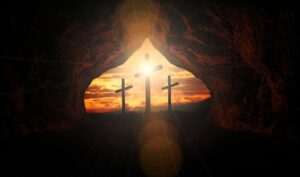
Every tomb in which Jesus’ body was laid is now empty, and this sends a powerful message: the power of death and sin has been broken. Jesus’ empty tomb provides overwhelming evidence of God’s power and spiritual strength. It has solidified the foundation of the Christian faith and provided an unwavering guide for believers.
5. The empty tomb and the symbol of eternal life
Jesus’ empty tomb is not only a symbol of Jesus’ resurrection, it is a sign of the possibility of eternal life. According to the Bible, Jesus bridged the gap between death and life, opening the way to eternal life. Jesus’ empty tomb represents a profound spiritual opportunity for believers—they can receive eternal life based on Jesus’ resurrection.
This empty tomb presents a great opportunity for the world: the hope of life and the guarantee of eternal life. With Jesus’ death, we have been forgiven of the sins and shortcomings of our lives, and Jesus’ resurrection has given us an eternal hope for eternal life.
6. Conclusion: What message does Jesus’ empty tomb give us?
The empty tomb of Jesus is a powerful symbol that profoundly changes the lives of people all over the world. It not only confirms the defeat of death and sin, but also opens the way to life, hope, and eternal life. This event is the foundation of the Christian faith, and it presents the unwavering power of God, the maturity of faith, and the guarantee of eternal life. The empty tomb of Jesus has provided a sacred guide to achieving true faith and spiritual strength, which has given believers around the world a new meaning of life and hope.