Discover the life-changing promises of God’s Word about provision, stewardship, trust, and surrender. Learn practical biblical steps to experience God’s faithful blessings in your finances, time, and life. Embrace God’s provision and walk in faith today.
God Owns Everything – We Are His Stewards
“The earth is the Lord’s, and the fulness thereof; the world, and they that dwell therein.” — Psalm 24:1 (KJV)
What Does It Mean to Be a Steward in a World Obsessed with Ownership?
We live in a world that teaches us to take pride in ownership. From the moment we start earning, we are trained to save, invest, buy, build, and own. Social status is often determined by how much one possesses—money, land, vehicles, gadgets, brands, even followers on social media. But the Bible cuts through this illusion like a sword and says something radically different:
God owns it all.
We own nothing.
Everything we have is merely entrusted to us for a season — our wealth, our health, our children, our time, and even our very breath. We are not owners. We are managers of what belongs to Someone Else.
This is the first, most foundational truth in biblical stewardship. If we don’t understand this, nothing else in our financial lives will make sense. This principle is like a cornerstone. Without it, the entire building of Christian financial wisdom collapses.
Let’s explore this first step in great detail.
What the Bible Says: God Is the Owner
“The silver is mine, and the gold is mine, saith the Lord of hosts.” — Haggai 2:8 (KJV)
“For every beast of the forest is mine, and the cattle upon a thousand hills.” — Psalm 50:10 (KJV)
“Thine, O Lord, is the greatness, and the power, and the glory, and the victory, and the majesty: for all that is in the heaven and in the earth is thine.” — 1 Chronicles 29:11 (KJV)
Everything — from the air we breathe to the job we hold, from the money in our pockets to the home we live in — it’s all God’s property.
We are simply called to steward it wisely.
What Is a Steward?
A steward is someone who manages another person’s property. Think of a steward like the general manager of a hotel. He doesn’t own the hotel, but he makes sure everything runs well. He handles the resources with accountability, skill, and integrity.
As Christians, we are the managers of God’s resources. This includes our:
- Money
- Talents and skills
- Time and days
- Bodies and health
- Relationships and families
- Opportunities and influence
We are not called to hoard, exploit, or waste them. We are called to invest, protect, use, and multiply them for the glory of God.
A Different Worldview: Stewardship vs Ownership
Ownership says:
- “This is mine. I can do whatever I want with it.”
- “My money, my rules.”
- “I earned it. I deserve it.”
Stewardship says:
- “This belongs to God. I must honor Him with it.”
- “It’s a gift. I must use it wisely.”
- “One day, I’ll give an account.”
“So then every one of us shall give account of himself to God.” — Romans 14:12 (KJV)
That includes how we spend money, give to the poor, tithe to the church, invest in missions, and use resources to bless others.
Biblical Examples of Godly Stewards
Joseph (Genesis 39–41)
Joseph didn’t own anything. Yet he managed Potiphar’s house, then Egypt’s economy. His faithfulness in small things elevated him to the highest rank in the land. Why? Because Joseph understood stewardship.
The Widow with Oil (2 Kings 4)
She thought she had nothing. Just a little oil. But when she obeyed the prophet Elisha and stewarded what she had, God multiplied it and provided for her and her sons.
The Parable of the Talents (Matthew 25:14–30)
Jesus tells of a master who gives his servants talents (a form of money). Two of them invest wisely. One buries it. The ones who stewarded their money well were praised. The one who wasted it was judged.
God expects us to do something with what He gives us. Even if it’s small.
Practical Applications Today
1. Make a “Stewardship Inventory”
Write down all you have — income, savings, possessions, talents, etc. Then next to each one, ask: “Am I using this for God’s glory?”
2. Steward Your Time
Time is one of the most misused resources. How are you investing your days? Are you:
- Giving time to God in prayer?
- Investing in relationships?
- Using time to bless others?
3. Manage Money With Purpose
Budgeting isn’t just about paying bills. It’s about telling your money where to go before it disappears. Every dollar is a tool, not a trophy.
Example budget:
- 10% Tithe
- 10% Savings
- 10% Giving (missions, poor)
- 70% Living (bills, food, transport)
📖 4. Train Children in Stewardship
Don’t just give them money — teach them how to manage it. Let them earn, give, save, and learn early that everything belongs to God.
Steward’s Daily Prayer
“Lord, I acknowledge that everything I have belongs to You. Teach me to be wise, faithful, and generous. Help me not to waste the gifts You’ve entrusted to me. I want to hear You say, ‘Well done, good and faithful servant.’ In Jesus’ name, Amen.”
Core Stewardship Principles to Remember
- God owns everything.
- We are stewards, not owners.
- Stewardship is a form of worship.
- Faithfulness is better than success.
- Eternal rewards await faithful stewards.
- What resources has God placed in your hands?
- Are you using them for eternal purposes or temporary comfort?
- What changes can you make this week to be a better steward?
Stewardship is not a financial strategy — it’s a spiritual posture. When you start to see your life through the lens of stewardship, everything changes. Your priorities shift. Your fears shrink. Your generosity grows. And your heart aligns with God’s.
The Dangers of Loving Money – A Heart Divided Cannot Truly Serve God
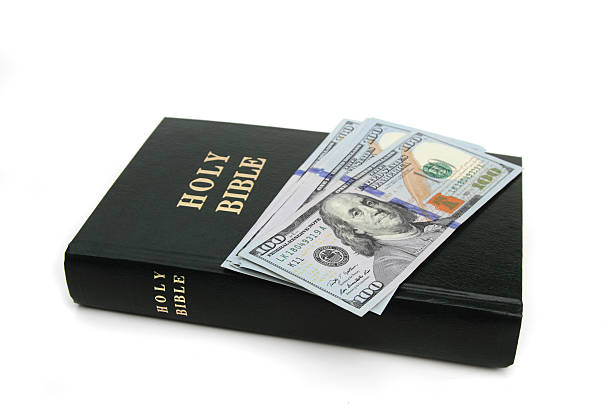
“For the love of money is the root of all evil: which while some coveted after, they have erred from the faith, and pierced themselves through with many sorrows.” — 1 Timothy 6:10 (KJV)
When Blessings Become a Curse
Money itself is not evil. It is a tool — like a brick that can build a hospital or break a window. But the love of money, when it infects the heart, can destroy families, corrupt leaders, break marriages, ignite wars, enslave nations, and ruin souls.
This second step in biblical stewardship is crucial and urgent: we must understand how love for money threatens our spiritual walk and how we can guard our hearts.
The Bible is filled with examples and warnings about the spiritual dangers of loving wealth. Jesus Himself spoke more about money than about heaven or hell — not because He hated it, but because He knew how easily it could replace God in our hearts.
Let’s dig deep into this truth.
What Does the Bible Say About the Love of Money?
“No man can serve two masters: for either he will hate the one, and love the other… Ye cannot serve God and mammon.” — Matthew 6:24 (KJV)
The Greek word “mammon” refers to wealth or materialism. Jesus makes it clear: money can become a rival god. When we love money, trust in it, live for it, and dream of it — we are committing spiritual adultery.
“He that trusteth in his riches shall fall: but the righteous shall flourish as a branch.” — Proverbs 11:28 (KJV)
Key Biblical Warnings:
- Covetousness leads to idolatry (Colossians 3:5)
- Riches can choke the Word (Mark 4:19)
- Lovers of money cannot lead the church (1 Timothy 3:3)
- The rich young ruler walked away from Jesus (Matthew 19:16–22)
The danger is not in having money — it is when money has you.
The Psychological and Spiritual Effects of Loving Money
1. It Replaces Dependence on God
We stop praying for “daily bread” and start trusting our savings. We become self-reliant.
2. It Breeds Discontentment
The more we get, the more we want. Greed is a hunger that only grows.
“He that loveth silver shall not be satisfied with silver.” — Ecclesiastes 5:10 (KJV)
3. It Corrupts Decision-Making
We choose jobs, partners, even churches based on income, not calling. We prioritize profit over purpose.
4. It Dulls Generosity
When we hoard, we stop helping. We live in fear of losing.
5. It Opens Doors to Sin
People lie, steal, cheat, bribe, and even kill for money. Entire governments are crippled by corruption.
6. It Creates Illusion of Security
But wealth cannot stop disease, heartbreak, death, or judgment.
Real-Life Examples: When Love for Money Destroys
A Businessman Who Had Everything
He was a millionaire before 30. But greed made him cheat investors. He was arrested, lost it all, and later said: “I was rich, but I was empty, broken, and blind.”
Judas Iscariot
He walked with Jesus. Heard His sermons. Saw His miracles. Yet sold Him for 30 pieces of silver. Why? Because money meant more to him than the Messiah.
A Couple Who Never Tithes
They lived paycheck to paycheck, yet bought luxuries. Always stressed, always arguing about money. They had resources, but no peace.
Practical Guardrails to Protect Your Heart
1. Regularly Confess and Repent
Say, “Lord, if I’ve begun to love money more than You, please forgive me.”
2. Tithe Faithfully
Giving the first 10% of your income to God breaks the grip of greed. It is a spiritual declaration: “Money is not my god.”
3. Listen to God, Not the World
Culture says, “Get rich or die trying.” The Bible says, “Seek first the kingdom.”
📖 4. Memorize Scripture on Contentment
“But godliness with contentment is great gain.” — 1 Timothy 6:6 (KJV)
5. Spend Time With the Poor
It softens your heart and reminds you how little you truly need.
6. Practice Secret Generosity
Give without announcing it. Let your left hand not know what your right hand is doing. (Matthew 6:3)
7. Fast from Materialism
Try a month without buying non-essentials. Break the cycle.
8. Simplify Your Life
Don’t live to impress. Live to bless.
Heart Detox Prayer
“Father, deliver me from the love of money. Heal my heart from greed, fear, and pride. Let my joy not come from my net worth, but from knowing I am Your child. Teach me contentment. Show me how to give, serve, and love generously. In Jesus’ name, Amen.”
Table: Stewardship vs. Greed
| Category | Stewardship (God’s Way) | Greed (World’s Way) |
|---|---|---|
| Motivation | Gratitude & Worship | Power, control, status |
| Spending | Purposeful, disciplined | Impulsive, showy |
| Giving | Cheerful and regular | Rare or manipulative |
| Saving | Wise and modest | Hoarding and fearful |
| Trust | In God | In self or bank accounts |
| Ultimate Goal | Eternal impact | Earthly comfort |
- Have I begun to trust money more than I trust God?
- Do my spending and giving habits reflect a Christ-centered life?
- What would my heart feel if I lost all my wealth tomorrow?
- What one step can I take this week to break free from materialism?
Key Scriptures for Meditation
- Matthew 6:19–21
- Hebrews 13:5
- Proverbs 11:28
- Luke 12:15
- 1 Timothy 6:6–10
The most dangerous idols are not statues of stone, but desires in the heart. The love of money is a subtle, silent assassin of spiritual life. It does not arrive with a warning sign. It creeps in through ambition, fear, anxiety, or pride.
To be a faithful steward, you must daily crucify greed, break the altar of materialism, and say:
“Jesus is enough.”
Because no amount of money can buy what your soul truly longs for — peace, purpose, and eternal joy.
The Power of Contentment – Finding Freedom in Simplicity
“But godliness with contentment is great gain. For we brought nothing into this world, and it is certain we can carry nothing out.” – 1 Timothy 6:6-7 (KJV)
What Does It Mean to Be Content?
We live in an age of insatiable hunger—for more wealth, more possessions, more comfort, more recognition. Modern culture has glorified materialism to the point where identity is often tied to what one owns. The notion of contentment feels distant, almost unrealistic in a fast-paced, consumer-driven world. But the Word of God introduces a revolutionary concept: Contentment is not the absence of desire; it is the presence of trust. Trust that God, the Perfect Provider, gives us exactly what we need.
In this third step of our exploration into Biblical Money and Stewardship, we examine the deeply practical and transformative power of contentment—not as a shallow emotional sentiment, but as a strategic lifestyle founded on eternal truths.
1. Biblical Foundation: Contentment as Command and Blessing
Contentment is not just a spiritual luxury for saints—it is a command and a blessing.
“Let your conversation be without covetousness; and be content with such things as ye have: for he hath said, I will never leave thee, nor forsake thee.” – Hebrews 13:5 (KJV)
Key insights from this verse:
- God links contentment with His eternal presence.
- He cautions us against covetousness, the insatiable desire to possess what others have.
Throughout Scripture, contentment is portrayed not as resignation but as an active spiritual discipline:
“Better is little with the fear of the Lord than great treasure and trouble therewith.” – Proverbs 15:16 (KJV)
“And having food and raiment let us be therewith content.” – 1 Timothy 6:8 (KJV)
These verses affirm that contentment is closely tied to godly living, peace of mind, and wise stewardship.
2. What Contentment Is—and What It Is Not
Contentment is:
- A learned behavior (Philippians 4:11)
- A fruit of spiritual maturity
- A shield against financial anxiety
- A declaration of faith that God is enough
Contentment is not:
- Laziness or lack of ambition
- Settling for mediocrity
- A rejection of dreams or growth
“Not that I speak in respect of want: for I have learned, in whatsoever state I am, therewith to be content.” – Philippians 4:11 (KJV)
This was written by the Apostle Paul, who experienced wealth and poverty, freedom and imprisonment. His contentment was independent of his circumstances—it was rooted in his identity in Christ.
3. The Cultural War Against Contentment
Today’s culture thrives on discontent. Consider these:
- Social Media creates constant comparison.
- Advertising thrives on making you feel like you lack something.
- Credit Systems promote overspending.
- Workplace Competition pushes us to measure success by income.
But Scripture teaches:
“A man’s life consisteth not in the abundance of the things which he possesseth.” – Luke 12:15 (KJV)
Case Study: John, a young Christian banker, fell into debt trying to match his colleagues’ lifestyle. After a financial crash and deep depression, he returned to the Bible. Reading Luke 12 opened his eyes. He downsized, lived simply, gave generously—and found joy. He now teaches financial stewardship in his local church.
4. Practical Habits to Cultivate Contentment
🔹 Daily Gratitude Journal: Start your day listing 3 things you’re grateful for.
🔹 Tithe First: Set your heart to give before you receive. This breaks greed’s grip.
🔹 Set a Budget with Eternal Goals: Budget not just for expenses but also for giving and saving for Kingdom work.
🔹 Fast from Shopping: Practice 30 days of not buying anything but essentials.
🔹 Give Something Away Weekly: Break attachment to materialism.
🔹 Avoid Impulse Buying: Wait 24 hours before purchasing anything that is not a necessity.
5. Stewardship and Contentment: A Strategic Connection
Without contentment, stewardship becomes stressful. You’ll always feel you’re falling short. But with contentment:
- You give more joyfully
- You spend more wisely
- You save more patiently
- You trust more fully
“He that is faithful in that which is least is faithful also in much.” – Luke 16:10 (KJV)
Example: A Christian family earning less than average committed to contentment. They prioritized giving, lived on a simple budget, and focused on missions. Ten years later, God had multiplied their resources, but more importantly, multiplied their impact.
6. Eternal Rewards of a Content Heart
Heaven honors a life of contentment:
“Lay up for yourselves treasures in heaven, where neither moth nor rust doth corrupt…” – Matthew 6:20 (KJV)
Treasure in Heaven is built when:
- You choose gratitude over greed
- You give sacrificially
- You rejoice in what others receive
- You live free from the love of money
“Godliness with contentment is great gain.” – 1 Timothy 6:6 (KJV)
It’s not just financial—it’s spiritual gain, relational gain, mental peace, and eternal reward.
7. Quotes from Great Theologians on Contentment
🔸 Charles Spurgeon:
“You say, ‘If I had a little more, I should be very satisfied.’ You make a mistake. If you are not content with what you have, you would not be satisfied if it were doubled.”
🔸 Matthew Henry:
“Many who have abundance are discontented; many who have little live contentedly, because their hearts are full of Christ.”
🔸 Thomas Watson:
“Contentment is a divine thing; it is the quiet of the heart in the midst of storm.”
Final Reflection: How Will You Pursue Contentment?
Ask yourself:
- What am I chasing that God has not assigned to me?
- What if I already have enough?
- Can I trust God’s plan even if it leads me away from luxury?
Pray:
“Lord, help me to rest in Your sufficiency. Let me not strive for what You haven’t given, but steward well what You have.”
Key Verse:
“Jesus said unto them, I am the bread of life: he that cometh to me shall never hunger.” – John 6:35 (KJV)
Generosity – Reflecting God’s Heart Through Giving

Introduction: Generosity Is a Lifestyle, Not Just an Act
Generosity is not merely about giving money—it’s a reflection of the heart of God. It is love in motion. Throughout Scripture, God reveals Himself as a generous giver—He gave us life, breath, the earth, His Son Jesus, the Holy Spirit, grace, mercy, salvation, and eternal life. If we are created in His image, then our lives should mirror His generous nature.
In this step, we will explore what true biblical generosity looks like, why it matters, and how it impacts our lives and the world around us. We’ll dive deep into practical principles, real-life examples, and powerful verses from the King James Version (KJV) to guide our understanding.
1. God’s Nature Is Generosity
“Every good gift and every perfect gift is from above, and cometh down from the Father of lights…” — James 1:17 (KJV)
From Genesis to Revelation, we see God giving. Creation itself is a gift. Redemption is a gift. Grace is a gift. Eternal life is the ultimate gift. The cross was not a transaction—it was a demonstration of God’s overwhelming generosity.
Generosity is not just something God does—it is who He is. When we are generous, we reflect the divine character of God.
2. Giving Is an Expression of Love
“For God so loved the world, that he gave his only begotten Son…” — John 3:16 (KJV)
The greatest act of love in history began with a gift. Love without giving is empty. When we give, we express the love of God in tangible ways.
Jesus showed us that giving is the natural overflow of love. Whether it’s giving time, resources, encouragement, or finances, love compels us to act for the benefit of others—even at a cost to ourselves.
3. Generosity Is Not About Amount, But the Heart
“And he looked up, and saw the rich men casting their gifts into the treasury. And he saw also a certain poor widow casting in thither two mites… this poor widow hath cast in more than they all.” — Luke 21:1–3 (KJV)
Biblical generosity isn’t measured by the size of the gift but by the sacrifice and sincerity behind it. God sees not how much you give, but how you give.
A person earning little but giving joyfully, sacrificially, and consistently is more generous in God’s eyes than someone giving large sums out of surplus.
4. Practical Generosity in Daily Life
Here are some real-life, practical ways to practice biblical generosity:
- 🔹 Support a struggling family with groceries or school fees.
- 🔹 Tithe faithfully to your local church (Malachi 3:10).
- 🔹 Sponsor a child’s education or healthcare.
- 🔹 Give anonymously to someone in need.
- 🔹 Cook meals for someone sick or bereaved.
- 🔹 Mentor someone younger in the faith.
- 🔹 Volunteer time to serve the community.
Generosity extends beyond money. It involves time, energy, prayers, encouragement, and other valuable resources.
5. Generosity Leads to Abundance – Spiritually and Practically
“Give, and it shall be given unto you; good measure, pressed down, and shaken together, and running over…” — Luke 6:38 (KJV)
God’s Kingdom operates on a different economy. In the world, giving may seem like losing. But in the Kingdom, giving multiplies.
You may not always receive financial returns, but the blessings of peace, joy, fulfilled purpose, stronger relationships, and spiritual growth are far more valuable. And yes, God often blesses the cheerful giver materially too (2 Corinthians 9:6–8).
6. Biblical Examples of Generosity
Abraham
He gave a tithe to Melchizedek (Genesis 14:20), showing reverence and recognition of God’s provision.
The Macedonian Church
“…in a great trial of affliction the abundance of their joy and their deep poverty abounded unto the riches of their liberality.” — 2 Corinthians 8:2 (KJV)
They gave sacrificially even in poverty, with joy.
Barnabas
He sold land and gave the proceeds to the early church (Acts 4:36–37), sparking a movement of generosity in the early believers.
7. A Spirit of Generosity Builds the Church and Impacts the World
When the church gives generously, it can:
- Start hospitals and health missions.
- Print and distribute Bibles.
- Fund education for underprivileged children.
- Send missionaries to unreached tribes.
- Reach millions online with the Gospel.
Generosity fuels the Great Commission.
8. Stewardship and Generosity Go Hand-in-Hand
Generosity doesn’t mean recklessness. It means wise giving. We are stewards, not owners, of what God has entrusted to us.
“Moreover it is required in stewards, that a man be found faithful.” — 1 Corinthians 4:2 (KJV)
Budgeting, planning, saving, and giving are all parts of good stewardship. We must give with prayer, discernment, and purpose, asking God where He wants us to invest for His glory.
Real-World Testimonies of Generosity
- A businessman who gave away 90% of his profit and saw his company grow more than ever before.
- A poor widow who faithfully tithed her $20 monthly and later received unexpected help to pay off her medical bills.
- A church that chose to give half of its building fund to help flood victims—and within a year, received double the needed funds from unknown donors.
When we give from our hearts, God multiplies the impact in mysterious ways.
Summary Points
- Generosity is the heartbeat of the Gospel.
- It reflects God’s love and character.
- It’s about the heart, not the amount.
- It’s a spiritual discipline, not a one-time action.
- It builds lives, churches, and nations.
- It opens spiritual and practical blessings.
- It must be intentional and Spirit-led.
Prayer for a Generous Heart
“Lord, make me a cheerful giver. Let my hands be open, my heart tender, and my life generous. Use what You’ve given me to bless others and glorify You. Amen.”
- Ask God to show you someone to bless this week.
- Set aside a percentage of your income for giving.
- Teach your children or youth about the joy of giving.
- Choose one act of generosity you can do today.
The Dangers of Greed and Materialism
Introduction: The Subtle Grip of Greed
Greed is often unrecognizable at first. It starts as a simple desire for comfort, convenience, or security. But left unchecked, it becomes a consuming force that replaces God with possessions, people with profit, and purpose with pride. Materialism is not just about wealth; it’s a mindset that prioritizes earthly gain above eternal truth.
In this step, we’ll expose the spiritual, emotional, and societal dangers of greed and materialism, and why the Bible warns us so passionately against it. We’ll explore powerful KJV scriptures, real-world examples, and practical ways to overcome it.
1. Greed Separates Us from God
“For the love of money is the root of all evil: which while some coveted after, they have erred from the faith, and pierced themselves through with many sorrows.” — 1 Timothy 6:10 (KJV)
Money itself is not evil, but loving it more than God is. Greed is a form of idolatry (Colossians 3:5). When we prioritize wealth over worship, profit over prayer, and career over calling, our hearts drift from the Lord.
Greed blinds us to spiritual things. We stop depending on God and start trusting our bank balance. This subtle shift is dangerous. It’s what caused the rich young ruler to walk away from Jesus (Mark 10:17–23).
2. Materialism Creates Anxiety and Discontentment
“He that loveth silver shall not be satisfied with silver; nor he that loveth abundance with increase: this is also vanity.” — Ecclesiastes 5:10 (KJV)
The more we have, the more we want. Materialism is a cycle of craving without satisfaction. New clothes lose their shine. New phones become outdated. Bigger houses still leave us empty.
This lifestyle fuels anxiety. People fear losing what they own. They stress about status, bills, appearances, and upgrades. God never designed us to live this way. Jesus said:
“Take heed, and beware of covetousness: for a man’s life consisteth not in the abundance of the things which he possesseth.” — Luke 12:15 (KJV)
Real peace doesn’t come from possessions but from God’s presence.
3. Greed Destroys Relationships
Greed turns people into stepping stones. It causes betrayal, exploitation, and broken trust. Families split over inheritance. Friendships are destroyed by envy. Marriages suffer under financial stress.
“A faithful man shall abound with blessings: but he that maketh haste to be rich shall not be innocent.” — Proverbs 28:20 (KJV)
When wealth becomes our god, people become our competitors or commodities. Instead of loving our neighbor, we use them. The rich man in Luke 16 ignored Lazarus at his gate. His greed blinded him to suffering.
4. Materialism Damages Society and the Environment
Unchecked materialism leads to:
- Overconsumption
- Economic inequality
- Environmental destruction
- Exploitation of labor
When society values profits over people, the poor are neglected, the earth is depleted, and justice is delayed. Even churches are tempted to cater to wealth instead of preaching the truth.
God calls us to stewardship, not consumerism.
“Better is little with the fear of the Lord than great treasure and trouble therewith.” — Proverbs 15:16 (KJV)
5. The Eternal Danger: Losing Our Soul
“For what shall it profit a man, if he shall gain the whole world, and lose his own soul?” — Mark 8:36 (KJV)
Greed is not just dangerous—it’s deadly. It lulls us into spiritual sleep. Like the rich fool in Luke 12:16–21, we may store up goods for many years, only for God to say, “Thou fool, this night thy soul shall be required of thee.”
Hell is real. And many will enter it, not because they hated God, but because they loved money more.
Jesus offered the rich young ruler treasure in heaven. But the man chose treasure on earth. May we not make the same mistake.
Overcoming Greed: Practical Steps
- 🙏 Pray daily for a generous heart.
- 💼 Budget with God at the center.
- 📈 Live simply, give generously.
- ❤️ Value people over possessions.
- 🌟 Memorize and meditate on Scripture about contentment.
- 📚 Read biographies of faithful stewards (e.g., George Mueller, Hudson Taylor).
Conclusion: Choose Kingdom Wealth
Greed and materialism offer temporary thrills and eternal loss. Generosity and contentment offer eternal rewards and present-day joy.
Let us not chase what rusts, rots, and fades. Let us invest in what lasts forever: souls, service, and surrender.
“Lay up for yourselves treasures in heaven… For where your treasure is, there will your heart be also.” — Matthew 6:20–21 (KJV)
Trusting God as the Ultimate Provider — A Deep and Practical Exploration
“But my God shall supply all your need according to his riches in glory by Christ Jesus.” — Philippians 4:19 (KJV)
1. The Supreme Provider: Understanding God’s Ownership
At the foundation of trusting God as our provider lies the profound biblical truth that everything belongs to God. Psalm 24:1 (KJV) declares:
“The earth is the Lord’s, and the fulness thereof; the world, and they that dwell therein.”
This verse reminds us that no resource, wealth, or blessing is truly ours, but is entrusted to us as stewards. Our possessions, jobs, income, and talents are gifts loaned to us by the Creator. Recognizing this shifts our mindset from anxious ownership to joyful stewardship.
2. Trust as an Active Choice Rooted in God’s Character
Trusting God means consciously choosing to rely on His faithfulness, goodness, and unchanging nature. God revealed Himself as “Jehovah Jireh” — “The Lord Will Provide” (Genesis 22:14) when He provided a ram for Abraham in place of Isaac. This narrative is not just history; it is a spiritual template for our lives.
When Abraham obeyed God’s command to sacrifice Isaac, he acted in faith before provision appeared. Trust is often an act of obedience before we see tangible results. God honors this faith and provides abundantly beyond our expectations.
3. Releasing Control: Surrendering Anxiety for Peace
In a world obsessed with control, especially over money, trusting God requires surrendering that control. Jesus taught in Matthew 6:25–34 (KJV) that we must not worry about our daily needs because God knows what we require.
“Take no thought for your life, what ye shall eat, or what ye shall drink… your heavenly Father knoweth that ye have need of all these things.”
This teaching challenges us to replace anxiety with faith, recognizing that God is intimately aware of our circumstances and is actively involved in our provision.
4. Growing Trust Through Trials and Testing
Faith matures when tested. Life’s hardships—job loss, illness, or financial difficulty—are opportunities to deepen our trust in God’s provision. The Apostle Paul modeled this during imprisonment and poverty:
“I have learned, in whatsoever state I am, therewith to be content… I can do all things through Christ which strengtheneth me.” (Philippians 4:11–13)
Paul’s trust was not circumstantial but based on the unshakable strength of Christ. His contentment amid hardship invites us to find joy in God’s sufficiency rather than in material abundance.
5. Practical Steps to Cultivate Trust in God’s Provision
- Meditate on God’s promises daily: Write and reflect on verses such as Philippians 4:19, Psalm 23:1, and Deuteronomy 8:18.
- Recall God’s faithfulness in your past: Reflect on moments where God provided unexpectedly.
- Surrender your financial worries to God in prayer: Invite Him to guide your decisions.
- Practice faithful giving, even in scarcity: This demonstrates reliance on God, not money.
- Engage with testimonies and fellowship: Hearing others’ experiences strengthens our faith.
6. The Blessings of Trust: Peace, Generosity, and Joy
Trust in God transforms our financial lives. Fear and greed lose their grip, replaced by peace, generosity, and joy. We make decisions based on faith, not fear. We give freely, knowing God replenishes.
Paul promised:
“And my God shall supply all your need according to his riches in glory by Christ Jesus.”
This promise includes not only material provision but spiritual abundance—peace, contentment, and hope.
7. An Eternal Perspective on Provision
Trusting God anchors us in eternity. Jesus said:
“But seek ye first the kingdom of God, and his righteousness; and all these things shall be added unto you.” (Matthew 6:33)
Our ultimate security is not in money or possessions but in God’s kingdom. Trusting God means aligning our desires with His eternal purposes.
8. Real-Life Example: Trust in Action
Consider Mary, a mother of three, who lost her job during a financial crisis. Instead of despair, she prayed and continued to tithe faithfully. God opened doors through a friend’s referral, and she found a better-paying job within weeks. Her trust in God’s provision was rewarded with peace and breakthrough.
If anxiety about finances weighs you down today, remember:
“Casting all your care upon him; for he careth for you.” (1 Peter 5:7)
God is not distant or indifferent; He cares deeply and is ready to provide beyond your needs.
Trust God today with your finances, your future, your life. His provision is sure, His timing perfect, and His love everlasting.
Stewardship – Faithful Management of God’s Resources in Every Area of Life
“Moreover it is required in stewards, that a man be found faithful.” — 1 Corinthians 4:2 (KJV)
1. The Biblical Meaning of Stewardship: From Ownership to Management
Stewardship is a profound biblical principle that teaches us that God is the true owner of everything — the earth, wealth, talents, time, and opportunities. We are called to be faithful managers or caretakers of His blessings.
Psalm 24:1 declares:
“The earth is the Lord’s, and the fulness thereof; the world, and they that dwell therein.”
This verse sets the foundation for understanding that our lives and resources are on loan from God. The stewardship mindset removes the false sense of ownership, releasing us from greed, anxiety, and selfishness. Instead, it cultivates a heart of gratitude, responsibility, and accountability to God.
2. Stewardship Rooted in Creation: The Mandate Given to Adam
Stewardship is not a new concept introduced by the New Testament; it dates back to the very beginning of human history.
God placed Adam in the Garden of Eden with a clear command:
“And the Lord God took the man, and put him into the garden of Eden to dress it and to keep it.” — Genesis 2:15 (KJV)
Adam was entrusted with the care and management of the earth, representing the first stewardship assignment. This divine mandate shows that all creation belongs to God, but He entrusts humans with responsibility — a trust that requires wisdom, diligence, and obedience.
3. The Parables of Stewardship: Jesus’ Teaching on Faithful Management
Jesus extensively taught stewardship through parables, emphasizing the eternal significance of how we manage earthly resources.
- Parable of the Talents (Matthew 25:14–30): The master entrusts different amounts to his servants and expects faithful use. Those who steward wisely are rewarded; those who neglect or hide their resources face judgment.
- Parable of the Pounds (Luke 19:11–27): Similar to the talents, this parable stresses the importance of producing fruit and using resources for God’s kingdom.
- The Unjust Steward (Luke 16:1–13): Even the unrighteous steward is commended for shrewdness, illustrating the need for wisdom in managing resources.
Through these parables, Jesus teaches that stewardship is not optional—it is a requirement with eternal consequences.
4. The Heart of a Faithful Steward: Character Traits
Being a good steward involves cultivating specific character qualities:
- Integrity: Handling God’s resources honestly and transparently (Proverbs 11:1).
- Wisdom: Planning and using resources effectively, avoiding wastefulness (Proverbs 21:5).
- Generosity: Willingly sharing with those in need (2 Corinthians 9:7).
- Accountability: Being open to correction and responsible management (Romans 14:12).
- Faithfulness: Persisting in small tasks to prove trustworthiness (Luke 16:10).
Stewardship is a holistic lifestyle that encompasses finances, time, relationships, and spiritual gifts.
5. Practical Steps to Develop Faithful Stewardship
A. Financial Stewardship
- Budget Prayerfully: Create a budget that honors God and reflects your values. Proverbs 16:3 says, “Commit thy works unto the Lord, and thy thoughts shall be established.”
- Save and Prepare: Follow Proverbs 6:6–8, which praises the ant for diligent preparation.
- Avoid Unnecessary Debt: Romans 13:8 warns, “Owe no man anything, but to love one another.”
- Give Generously: Practice joyful, sacrificial giving as a declaration of trust in God (Malachi 3:10).
B. Time Stewardship
- Prioritize Prayer and Bible Study: Steward your time for spiritual growth.
- Avoid Procrastination: Use time wisely for God’s glory (Ephesians 5:15–16).
- Serve Others: Allocate time to help those in need.
C. Talent Stewardship
- Discover Your Gifts: Identify spiritual gifts and natural talents (1 Corinthians 12).
- Develop Skills: Invest time in growing your abilities.
- Use Gifts to Serve: Employ your talents to edify the church and community.
D. Environmental Stewardship
- Care for Creation: Reduce waste and conserve resources (Genesis 1:28).
- Promote Sustainability: Reflect God’s order and creativity in protecting the environment.
6. Overcoming Challenges to Stewardship
A. Greed and Materialism
The love of money leads to many spiritual problems (1 Timothy 6:10). Combat greed by focusing on eternal rewards and practicing contentment (Hebrews 13:5).
B. Fear and Anxiety
Trust God’s provision instead of hoarding out of fear (Matthew 6:25–34).
C. Lack of Knowledge
Seek wisdom through reading, financial counseling, and biblical teaching.
D. Laziness and Procrastination
Develop discipline and diligence (Proverbs 10:4).
7. Stewardship and Trust: The Interwoven Relationship
Stewardship flows naturally from trust in God as the ultimate provider (Philippians 4:19). When we fully acknowledge God’s ownership, we steward resources with faith, joy, and generosity.
8. The Eternal Reward of Stewardship
Our faithful management affects eternal destiny. Jesus said:
“For every one that hath shall be given, and he shall have abundance… But from him that hath not shall be taken away even that which he hath.” — Matthew 25:29 (KJV)
Our stewardship impacts kingdom advancement and our reward at Christ’s return.
9. Real-Life Example: Stewardship Transforms Life
Consider Lydia in Acts 16:14–15, a businesswoman who used her resources to support Paul’s ministry. Her faithful stewardship opened doors for the Gospel and enriched her spiritual life.
Similarly, countless Christians testify to God’s blessing when managing finances, time, and talents wisely.
10. Conclusion: Embrace Your Divine Role as a Steward
Every resource you hold is a sacred trust. Embrace stewardship as a joyful duty—managing money, time, talents, and environment for God’s glory and others’ blessing. Faithful stewardship is an expression of love to God and neighbor and a step toward eternal reward.
Walking in Obedience and Surrender — The Ultimate Expression of Trust in God’s Provision
“If ye love me, keep my commandments.” — John 14:15 (KJV)
“Not every one that saith unto me, Lord, Lord, shall enter into the kingdom of heaven; but he that doeth the will of my Father which is in heaven.” — Matthew 7:21 (KJV)
1. The Call to Obedience: The Heartbeat of Trust and Provision
Obedience to God is not merely about rule-following; it is the profound demonstration of our love, faith, and trust in Him. True trust manifests itself through submission to God’s Word and His commands, recognizing that His ways are higher than ours (Isaiah 55:8-9).
God’s provision is intricately linked to obedience: He blesses and supplies those who walk in His ways. For example, Deuteronomy 28 outlines blessings promised for obedience, and the New Testament continually reinforces the connection between faithfulness and God’s provision.
2. Surrender: Yielding Our Will to God’s Perfect Plan
Surrender means relinquishing our own understanding, plans, and control, and embracing God’s sovereign will, even when it conflicts with our desires or understanding.
Jesus Himself modeled perfect surrender in Gethsemane:
“Father, if thou be willing, remove this cup from me: nevertheless not my will, but thine, be done.” — Luke 22:42 (KJV)
This ultimate surrender opened the door for God’s redemptive provision through the cross.
3. Theological Insights from Great Theologians
| Theologian | Insight on Obedience and Provision | Quote |
|---|---|---|
| John Calvin | Emphasized God’s sovereignty and human responsibility to obey His law for blessings. | “Obedience to God’s will is the root of all happiness and provision.” |
| Charles Spurgeon | Called obedience the “test of faith” and pathway to divine favor. | “Faith without works is dead; obedience gives life to faith.” |
| Dietrich Bonhoeffer | Taught costly grace demands costly discipleship expressed in obedience. | “When Christ calls a man, he bids him come and die.” |
| Martin Luther | Highlighted that obedience is evidence of justification by faith. | “A Christian is a perfectly free lord of all, subject to none. A Christian is a perfectly dutiful servant of all, subject to everyone.” |
| A.W. Tozer | Spoke about surrender as the gateway to experiencing God’s provision. | “What comes into our minds when we think about God is the most important thing about us.” |
4. The Practical Dimensions of Obedience and Surrender
- Daily Submission: Begin each day surrendering your plans and finances to God’s will through prayer.
- Scriptural Alignment: Align your financial decisions with biblical principles—avoid dishonest gain, practice generosity, and honor God in all.
- Repentance: Confess any disobedience or selfishness that hinders God’s blessing.
- Faith-Filled Action: Step forward in faith to obey God’s commands, even when the outcome is uncertain.
- Accountability: Seek counsel and community support to remain steadfast in obedience.
5. Comparing God’s Provision Through Obedience Versus Self-Reliance
| Aspect | Provision through Obedience | Provision through Self-Reliance |
|---|---|---|
| Source of Supply | God’s supernatural provision and blessing | Personal effort, limited by human ability |
| Peace and Assurance | Deep peace, knowing God is in control | Anxiety, uncertainty, constant striving |
| Generosity | Freely giving as God provides | Hoarding and fear of loss |
| Outcome | Eternal reward and spiritual growth | Temporary gains, potential spiritual loss |
| Dependency | Reliance on God’s faithfulness | Reliance on self, prone to failure |
6. Scriptural Foundations: Obedience Leads to Blessing and Provision
- Deuteronomy 28:1-14: God’s promises of blessings for obedience.
- Psalm 1:1-3: The righteous man prospers like a tree planted by water.
- Isaiah 1:19: “If ye be willing and obedient, ye shall eat the good of the land.”
- John 15:10: Abiding in Christ’s love by keeping His commandments.
- Hebrews 11:6: “Without faith it is impossible to please God.”
7. Practical Example: Obedience in Financial Stewardship
Consider Paul’s instruction in 2 Corinthians 8-9 about generous giving. The Macedonian churches gave beyond their means because they obeyed God’s command to love and give. Their obedience resulted in abundant grace and spiritual blessing.
Similarly, believers today who obey God’s commands on stewardship often find provision beyond natural expectation—God opens doors, brings unexpected opportunities, and increases their faith and peace.
8. Real-Life Testimony: Surrender Unlocks God’s Provision
Anna was deeply burdened by debt and financial stress. Upon surrendering all control to God, committing to honesty, and obeying biblical principles of stewardship and generosity, she experienced peace. Doors opened for new employment, and unexpected financial help came from friends and church. Her obedience unlocked God’s abundant provision.
9. Final Reflection: Surrender is the Gateway to God’s Blessing
Obedience and surrender are not burdens but blessings. They unlock the fullness of God’s promises, turning provision from a struggle into a supernatural experience. When you choose to obey, you align with God’s divine plan—inviting His abundant, peace-filled provision.
God’s Promises and Our Faithful Journey
Throughout these ten steps, we have explored the rich, life-transforming promises of God’s Word, especially as they relate to His faithful provision, love, salvation, and eternal hope. Each step reveals a deeper dimension of walking with God—from trusting His promises, understanding stewardship, surrendering in obedience, to embracing the fullness of His grace and provision.
Our journey is one of faith, perseverance, and practical obedience. God’s promises are living truths that empower us to overcome fear, doubt, and scarcity. When we place our trust wholly in Him, managing His resources faithfully and walking in surrender, we experience peace that transcends circumstances and provision that surpasses understanding.
Remember, this is not merely knowledge but transformation—a call to live differently, act boldly, and love generously because God is faithful.
Call to Action (CTA)
- Reflect on your current trust in God’s promises. Are you relying more on your own strength or fully surrendering to Him?
- Begin today to meditate on the Scriptures shared here. Write them down, pray them over your life, and act on them.
- Commit to faithful stewardship of your finances, time, and talents. Take small steps in obedience.
- Join a faith community or Bible study group to strengthen your walk. Share your testimony and learn from others.
- Share this article with friends and family who need encouragement and hope. God’s promises are for everyone.
- If you have questions or want personalized prayer, reach out to a trusted pastor or spiritual mentor. Don’t walk alone.
Q1: How can I be sure God will provide for my needs?
A: God’s Word promises in Philippians 4:19 that He will supply all your needs according to His riches in glory by Christ Jesus. Trust grows through obedience and recalling past provisions.
Q2: What if I struggle to manage money faithfully?
A: Stewardship is a journey. Start small—budget prayerfully, avoid debt, and practice generosity. Seek God’s guidance daily.
Q3: Does God bless only those who give financially?
A: God blesses those who give with a joyful heart (2 Corinthians 9:7). Blessing can come in many forms—peace, joy, relationships, and provision.
Q4: How do I surrender control of my life and finances to God?
A: Surrender is daily, through prayer and obedience. Commit your plans to Him (Proverbs 16:3) and walk in faith even when the future seems uncertain.
Q5: Can I still trust God if I face repeated hardships?
A: Yes. Trials test and strengthen faith (James 1:2-4). God’s promises stand firm even when circumstances are difficult.
- Which of God’s promises have impacted your life most deeply? Why?
- How do you practically practice stewardship in your daily life?
- What fears or doubts do you need to surrender to God today?
- How has obedience brought blessings or growth in your spiritual journey?
- What steps can you take this week to deepen your trust in God’s provision?
God’s greatest promise is salvation through Jesus Christ. No matter your past or present struggles, His grace is sufficient. By placing your faith in Jesus—believing He died for your sins and rose again—you receive forgiveness, new life, and eternal hope. This is God’s ultimate provision, offering peace with God and a future in His kingdom.
May the God of all grace, who has called you unto His eternal glory by Christ Jesus, strengthen your heart and establish your faith. May His promises be a lamp unto your feet and a light unto your path. May you walk in obedience, steward His blessings wisely, and surrender fully to His perfect will. And may His peace, which surpasses all understanding, guard your heart and mind through Christ Jesus.
Go forth with confidence, beloved, knowing that God’s promises are sure and His love unfailing. Amen.