Discover the inspiring story of Somali Christians surviving extreme persecution. Learn how prayer, support, and advocacy can strengthen the global Church. Stand with them in faith and hope.
Somalia, located in the Horn of Africa,
is one of the harshest places on earth for followers of Jesus Christ. Beneath its dry deserts, civil wars, and fragile political system, there exists a hidden community—small, silent, and suffering. These are the Christians of Somalia, men and women who have chosen to follow Christ despite the certainty of persecution, rejection, and even death. Their faith burns quietly in a nation that has outlawed Christianity and where even the whisper of Jesus’ name can cost a life.
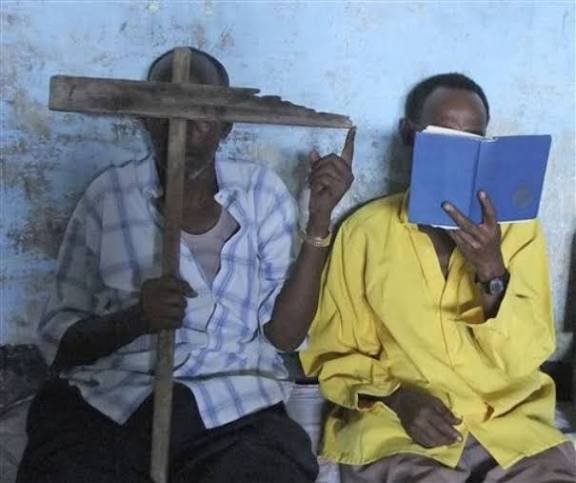
For more than three decades, Somalia has been without a stable central government. Islamist militant groups like Al-Shabaab control large parts of the country, enforcing a brutal version of Sharia law. Conversion from Islam to Christianity is considered treason, and anyone found with a Bible or suspected of being a believer faces public execution. Because of this, the Christian community has gone completely underground. Most believers worship secretly in homes or in remote desert areas, never revealing their faith—not even to their closest relatives.
Yet, in this darkness, God’s light continues to shine. The gospel has not been silenced. Reports tell of Muslims meeting Jesus in dreams and visions, of families secretly listening to Christian radio broadcasts, and of house churches forming in hidden corners. These stories rarely reach the news, but they echo the truth of Scripture: “The light shineth in darkness; and the darkness comprehended it not” (John 1:5, KJV).
The cost of discipleship in Somalia is unimaginably high. Christian converts are often hunted down by militants, abandoned by their families, and forced to flee for their lives. Many live in refugee camps across Kenya or Ethiopia, carrying the pain of loss but holding tightly to the hope of eternal life in Christ. Despite having no church buildings, no public gatherings, and no visible cross, their faith is alive—stronger than any persecution can destroy.
Somalia’s persecution is not just religious—it is cultural, political, and social. The very identity of being Somali is tied to Islam. To become a Christian is to become an outcast, stripped of one’s family, tribe, and safety. For most converts, following Christ means choosing exile within their own land. Yet they find strength in the same Christ who said, “Blessed are they which are persecuted for righteousness’ sake: for theirs is the kingdom of heaven” (Matthew 5:10, KJV).
The silent suffering of Somali Christians calls the global Church to attention. Their hidden prayers rise as incense before God, their tears cry louder than any sermon, and their steadfastness challenges the comfort of believers worldwide. They remind us that faith is not proven in prosperity but in perseverance.
As one Somali believer once told a missionary before his martyrdom, “If they kill me, they only send me home faster.” His words are a testimony that the gospel of Jesus Christ cannot be stopped by bullets, bombs, or fear—it is the power of God unto salvation.
Discover the hidden faith of Christians in Somalia—how they endure persecution, remain faithful amid danger, and how believers worldwide can pray and help.
2. The Daily Life and Struggles of Christians in Somalia – Living Faith in the Midst of Fear
To understand the daily life of a Christian in Somalia is to witness faith at its most fragile yet most powerful form. It is a life lived in secrecy, silence, and unrelenting danger. In Somalia, Christianity is not just illegal—it is seen as a betrayal of culture, family, and nation. Every believer lives under constant watch, every whisper carries risk, and every prayer may be their last. Yet, the underground followers of Christ continue to walk by faith, not by sight, trusting that the same Spirit who guided the early Church through persecution still sustains them today.
From the moment a Somali accepts Jesus Christ as Lord and Savior, life changes completely. The simple confession “I believe in Christ” becomes a death sentence. They can no longer live openly in their communities. Many flee from their homes and move from place to place, hiding their identity, living as strangers in their own land. They cannot tell their parents, siblings, or friends, for fear that one word could expose them to local authorities or extremist groups. In many cases, even children must pretend to be Muslim to survive, reciting Islamic prayers at school and attending mosques just to avoid suspicion.
Imagine waking up each morning knowing that your faith must remain invisible. You cannot carry a Bible, sing a hymn, or speak the name of Jesus aloud. Every act of worship must be hidden. Some believers memorize entire portions of Scripture because written copies are too dangerous to keep. Others gather late at night in remote areas or inside locked rooms, whispering prayers and reading from hand-written verses. Their “church” may be just two or three believers meeting in silence, but the presence of the Holy Spirit fills those secret gatherings with peace that the world cannot understand.
Food, water, and safety are daily challenges, but so is spiritual nourishment. There are no public churches, no pastors, and no Christian bookstores. Encouragement comes through smuggled radio signals, short-wave Christian broadcasts, or messages sent through encrypted networks. A single radio message from an underground missionary can strengthen dozens of believers hiding across Somalia. In some cases, Christian aid workers and neighboring believers from Kenya or Ethiopia risk their lives to provide Bibles, food, and medical help to persecuted Christians.
In cities like Mogadishu, Kismayo, and Baidoa, believers live under the shadow of militant groups that control neighborhoods and enforce Sharia law. Patrols often raid homes to check for “un-Islamic” activities. A small cross, a note from a Christian friend, or a downloaded Christian song can be enough to lead to arrest or execution. One underground believer once said, “When I hear footsteps at night, I do not know if it is Jesus coming for me or the men who will kill me.” Yet even in such fear, they continue to pray—for their persecutors, for their families, and for the salvation of Somalia.
Women and children suffer the most. A Somali woman who becomes a Christian may be forced into marriage with a Muslim man to “restore family honor.” Many are beaten, disowned, or sold into labor as punishment for leaving Islam. Yet, even in suffering, they reflect the love of Christ. Many secretly share their faith with other women, whispering words of hope while fetching water or caring for children. Their courage shows that the power of the Gospel cannot be silenced—it only grows stronger under pressure.
The underground Church in Somalia is also deeply connected through prayer. Despite being separated by distance and fear, believers feel united by the Holy Spirit. They may never meet each other, but they pray for one another daily. Some have described feeling “a presence of unseen family” when they worship alone—a reminder that the body of Christ is one, even in isolation.
Persecution has also shaped their understanding of faith. For Somali believers, Christianity is not a religion of convenience but of conviction. It is not about attending services or wearing symbols—it is about surviving by grace, walking in the Spirit, and holding fast to hope when everything else is lost. Their faith is not built on freedom or comfort, but on the living presence of Christ within them.
As one Somali Christian shared with a missionary, “We have no church building, no pastor, and no choir, but we have Jesus. And He is enough.” Those words define what it means to live as a believer in Somalia—a faith purified by fire, tested in suffering, and sustained by the invisible hand of God.
Their daily life is not marked by ease but by endurance. It is the life of modern-day Daniels in a lion’s den, of Shadrachs and Abednegos standing before fire yet refusing to bow. These believers teach the world that true Christianity is not about safety or recognition—it is about standing for Christ even when the world stands against you.
3. How Faith Survives Under Fire – The Power of the Gospel in Somalia
The story of Christianity in Somalia is not just about suffering. It is also about survival, courage, and the supernatural power of the Gospel. In a land that has declared the name of Jesus illegal, His Kingdom continues to grow quietly, invisibly, and unshakeably. The world sees persecution, but God sees revival in hidden places. When all earthly support is removed, faith in Christ does not disappear— it grows deeper.
The Gospel reaches Somalia in ways human strategy could never accomplish. While churches and missionaries are banned, the Word of God still finds a way into the hearts of people hungry for truth and hope. Many encounter Jesus through dreams and visions—stories similar to those found in the Book of Acts. Former extremists wake up seeing a Man clothed in white, calling them by name, offering forgiveness, and introducing Himself as the Prince of Peace. It is a divine intervention that no government or militant force can prevent.
Some believers come to faith while living abroad, then secretly return home knowing the risks. They choose danger over comfort because they cannot hide the light they have received. Even though silence surrounds them, their lives speak loudly about Christ’s love. The underground believers practice discipleship one soul at a time—quiet conversations, subtle kindness, and the sharing of Scripture verses handwritten on tiny pieces of paper. Every act of evangelism is bold and risky, yet fueled by the Spirit of God.
Christian radio is another lifeline of hope. Late at night, when the streets grow quiet, radios quietly tune into foreign frequencies. A single broadcast sharing the Gospel can reach thousands across Somalia. A whispered sermon, a testimony from another believer, or one Bible verse can strengthen hearts that feel alone. One believer once transmitted the message:
“We are few, but our God is great. Pray for us. We will never turn back.”
Those words have traveled farther than anyone could measure.
Technology has become a new mission field. Through secure messaging, online discipleship, and encrypted resources, Somali Christians grow in their faith in ways unthinkable before. A short audio prayer sent through a mobile phone can be a lifeline of courage. A downloaded Bible app—if discovered—could end a life, yet many take that risk because spiritual hunger is stronger than fear.
In refugee camps along the borders of Ethiopia and Kenya, the Gospel is spreading even more rapidly. People who lost everything in war discover new life in Christ. These camps, though born out of tragedy, have become unexpected mission grounds. What Satan meant for evil is turning into a platform for God’s glory. Former refugees are now returning secretly to Somalia, not simply to rebuild homes but to rebuild spiritually broken hearts.
The survival of Christianity in Somalia is a testimony that the Gospel cannot be chained. No prison can hold it. No bullet can stop it. No government can silence its spread. When believers kneel in prayer behind locked doors, the Holy Spirit empowers them with courage the world cannot understand. When one believer is killed, others quietly rise in their place. Faith becomes stronger in persecution, just as the early Church grew in the days of the apostles.
The world may see only darkness in Somalia, but God sees His light shining through His faithful children. Every whispered prayer, every hidden worship, every tear shed in fear but with trust in Jesus becomes a seed of revival that will one day bear fruit. When the time comes, the entire world will witness what God has been doing in secret.
Because the power of the Gospel is unbreakable.
The love of Christ is unstoppable.
And the Church of God is eternal—even in the heart of Somalia.
4. What Can the Global Church Do? – Our Responsibility Toward Somalia
The suffering of Christians in Somalia is not an isolated tragedy; it is a call from God to His global Church. The Bible says in Hebrews 13:3 (KJV): “Remember them that are in bonds, as bound with them; and them which suffer adversity, as being yourselves also in the body.” This verse reminds every believer that we are one body in Christ. When one part suffers, the whole body feels the pain. Somalia’s persecuted believers are not distant strangers—they are our brothers and sisters, and their pain must move our hearts into prayer, compassion, and action.
A. The Call to Prayer – The First Line of Defense
Prayer is not a weak response—it is the greatest weapon the Church possesses. The persecution in Somalia is spiritual at its root; therefore, it must be fought with spiritual power. The Holy Spirit moves through the prayers of His people. Around the world, when believers gather and pray for Somalia, unseen chains begin to break. Pray for:
- Protection for secret believers and underground fellowships.
- Strength and boldness to continue their witness even in danger.
- Access to God’s Word in their own language and through safe means.
- Government hearts to be softened and opened to religious freedom.
- Dreams and visions to reveal Christ to those who have never heard His name.
History shows that every revival begins with prayer. When the early Church was persecuted, Acts 4:31 (KJV) says, “And when they had prayed, the place was shaken where they were assembled together; and they were all filled with the Holy Ghost, and they spake the word of God with boldness.” The same Spirit that strengthened the apostles is working today in Somalia through the prayers of God’s people.
B. The Ministry of Encouragement – Strengthening the Hidden Church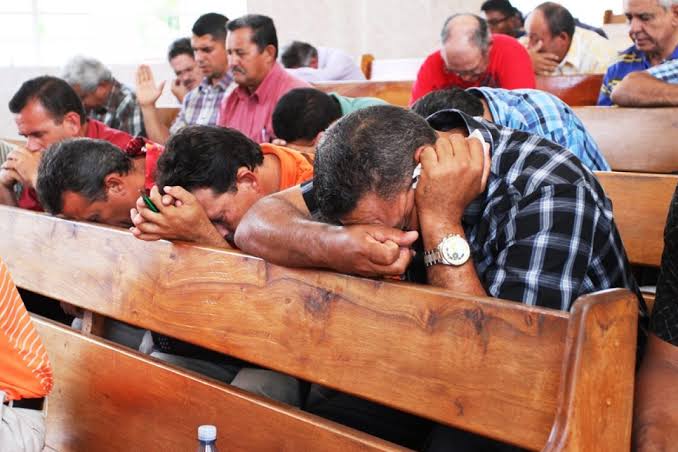
Many Somali believers live in deep isolation, often without fellowship. The global Church can encourage them through letters, messages, and Christian radio broadcasts. Mission agencies and organizations that serve the persecuted church—like Open Doors, Voice of the Martyrs, and International Christian Concern—regularly deliver aid, Bibles, and support to believers in restricted nations. When we contribute, we become part of that mission.
A small donation or a letter of encouragement can be a divine reminder to a believer hiding in fear that they are not forgotten by the Body of Christ. It says, “You are not alone; we stand with you.” In God’s economy, even the smallest act of faith multiplies into eternal impact.
C. The Mission of Advocacy – Speaking for the Voiceless
The global Church must become the voice for those who cannot speak. Proverbs 31:8 (KJV) commands, “Open thy mouth for the dumb in the cause of all such as are appointed to destruction.” Advocacy involves more than sympathy—it calls for action. Churches and believers can raise awareness in their communities, host prayer nights, or write to international human rights groups demanding religious freedom in Somalia.
Governments and organizations often respond when the global Christian community unites in moral and spiritual concern. Silence only strengthens oppression, but a collective voice can shake kingdoms. Even online sharing of verified stories from Somalia can stir global attention and prayer.
D. The Power of Giving – Fueling the Work of the Gospel
Financial support is not just charity; it is partnership in God’s mission. Philippians 4:16–17 (KJV) shows how Paul rejoiced in the Philippians’ generosity, saying: “For even in Thessalonica ye sent once and again unto my necessity… Not because I desire a gift: but I desire fruit that may abound to your account.”
Every contribution—whether it builds a radio station, sends a Bible, supports a missionary, or feeds a persecuted believer—becomes spiritual fruit that God counts as eternal treasure. The global Church can support safe Bible translation projects, sponsor refugee believers in Kenya or Ethiopia, or equip underground pastors with theological training materials.
E. The Role of Education and Awareness
Churches around the world can organize study sessions or youth discussions on persecution awareness. Teaching about Somalia’s situation builds empathy and global vision among believers. When young Christians learn about faith under fire, their own commitment deepens. Persecution is not just a problem to pity; it is a testimony of the cost of true discipleship.
F. The Courage to Learn from Their Example
Persecuted believers in Somalia teach the rest of the world what genuine Christianity looks like—faith without comfort, love without recognition, and worship without freedom. Their endurance challenges our comfortable Christianity. When we see their faith, we must examine our own hearts. Would we still follow Christ if it cost us everything?
The global Church must not merely rescue them; we must be inspired by them. Their faith sharpens ours, their endurance deepens ours, and their hope rekindles ours.
Conclusion of This Section
Somalia’s believers are not asking for pity—they are asking for prayer, partnership, and persistence in the Gospel. God has strategically placed the global Church to stand with them. Through united intercession, generosity, and courage, we can turn their silent suffering into a testimony that shakes the world.
When the Church rises together in compassion, hell trembles. When the saints cry out in unity, heaven moves.
Somalia is not forgotten by God—and it must not be forgotten by us.
5. Hope Beyond Suffering – God’s Unstoppable Church in Somalia
The story of Christians in Somalia is a testament to the power, endurance, and unwavering faith of God’s people in the midst of extreme persecution. Despite threats, violence, and isolation, these believers continue to hold fast to the name of Jesus Christ, proving that God’s strength is perfected in weakness (2 Corinthians 12:9 KJV). Their lives remind the global Church that faith is not defined by comfort or convenience, but by obedience and perseverance in the face of adversity.
A. Key Takeaways – Lessons from Somali Christians
| Lesson | Application for Believers Worldwide | Scripture Reference (KJV) |
|---|---|---|
| Endurance in Trials | Stand firm in personal trials, knowing God is with you | James 1:12 |
| Faith Without Fear | Trust God even when circumstances seem impossible | Isaiah 41:10 |
| Prayer as Power | Constant intercession fuels God’s plan on earth | Philippians 4:6-7 |
| Generosity and Support | Give resources to strengthen the global Church | 2 Corinthians 9:6-8 |
| Advocacy and Voice | Speak for those who cannot speak for themselves | Proverbs 31:8-9 |
B. Call to Action – How You Can Help
- Pray Daily: Dedicate specific prayer times for the Church in Somalia, asking God to protect, encourage, and empower them.
- Support Mission Agencies: Contribute financially or volunteer with organizations providing Bibles, safe housing, and training.
- Raise Awareness: Share verified stories and organize church or community discussions about global persecution.
- Advocate for Religious Freedom: Write to governments, NGOs, and international platforms to support human rights for Christians in Somalia.
- Encourage Fellowship: Send letters, messages, or media content that uplifts hidden believers and reminds them they are not alone.
Q1: Are Somali Christians completely cut off from the global Church?
A1: No. While communication is limited and risky, mission agencies and underground networks ensure they receive resources, encouragement, and prayer support.
Q2: How can one pray effectively for Somali Christians?
A2: Pray for protection, courage, access to God’s Word, the salvation of persecutors, and divine intervention in governmental policies.
Q3: Is supporting Somali Christians safe?
A3: Yes. Partnering with trusted mission organizations ensures that support reaches them securely without exposing them to additional danger.
- How can your local church strengthen its prayer ministry for persecuted believers worldwide?
- What personal sacrifices are you willing to make to support the global Church in dangerous regions?
- How does the faith of Somali Christians challenge your own commitment to Christ?
Message of Redemption and Hope
Somali Christians exemplify that no matter how extreme the persecution, the Gospel continues to thrive through God’s power. Their witness inspires us to hold firm in our faith, pray without ceasing, and participate actively in God’s mission. God’s love and protection transcend human limitations, turning suffering into testimonies of His glory.
May the Lord bless and strengthen every believer who stands in solidarity with the persecuted Church. May courage, faith, and divine provision multiply as we intercede for Somalia and all regions where the Gospel faces opposition. Remember, the light of Christ cannot be extinguished, and no trial can overcome His Church.