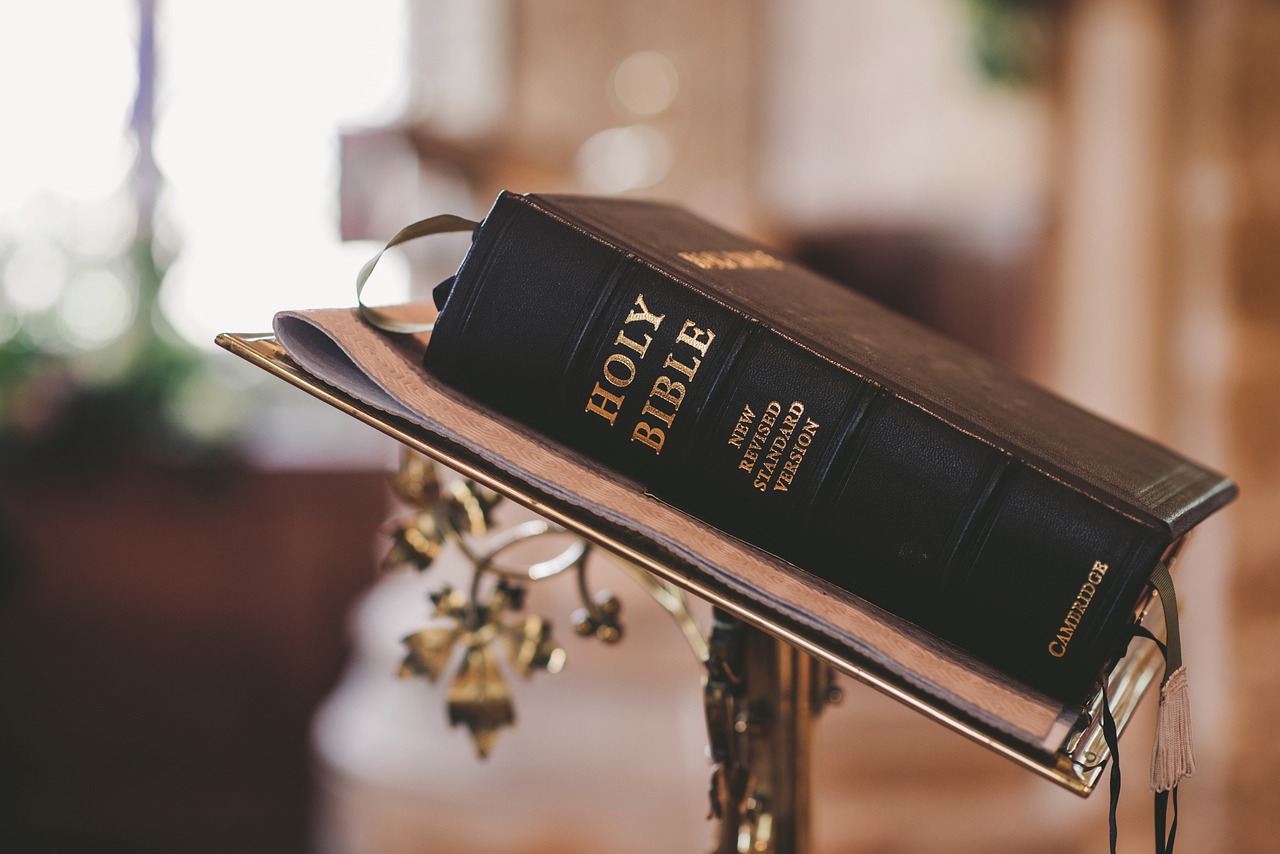
The 10 Biblical Teachings of Forgiveness:
A Deep Dive into God’s Word
Forgiveness is one of the most central teachings of the Bible. It is not only a command from God but also a reflection of His character and a necessary part of our spiritual journey. Understanding forgiveness according to biblical principles is essential to living out a life that honors God. In this article, we will explore the 10 key biblical teachings of forgiveness, providing a deeper understanding of its significance in the Christian faith.
1. Forgiveness is a Command, Not a Suggestion
Matthew 6:14-15 – “For if you forgive other people when they sin against you, your heavenly Father will also forgive you. But if you do not forgive others their sins, your Father will not forgive your sins.”
Forgiveness is not optional for the believer. It is a direct command from Jesus Himself. He makes it clear that our willingness to forgive others is directly linked to God’s forgiveness of our own sins. We are called to forgive those who wrong us, not as a suggestion, but as an imperative command. The condition of our hearts towards others determines the condition of our relationship with God. This shows that forgiveness is fundamental in our walk with God—if we want to experience His grace, we must extend grace to others.
2. Forgiveness is an Act of Obedience
Ephesians 4:32 – “Be kind and compassionate to one another, forgiving each other, just as in Christ God forgave you.”
Forgiveness is an act of obedience that stems from a heart that is willing to follow God’s commands. Jesus modeled forgiveness throughout His life, from forgiving the people who crucified Him to teaching His followers the importance of forgiving others (Luke 23:34). As believers, we are called to forgive just as God has forgiven us, which requires obedience to His Word. It is through obedience that we reflect God’s character and show the world the transforming power of His love.
3. Forgiveness Restores Relationships
2 Corinthians 5:18 – “All this is from God, who reconciled us to himself through Christ and gave us the ministry of reconciliation.”
Forgiveness plays a crucial role in restoring broken relationships. The ultimate example of reconciliation is God’s forgiveness of our sins through Jesus Christ. Through Jesus’ sacrifice, we were reconciled to God, and as believers, we are given the ministry of reconciliation. When we forgive, we extend the same ministry to others. Forgiveness restores relationships, heals emotional wounds, and promotes peace. Without forgiveness, relationships remain strained, and the peace of God cannot flow freely. Forgiveness, then, is vital for restoring harmony between people, just as it is essential in our relationship with God.
4. Forgiveness Frees Us from the Bondage of Bitterness
Hebrews 12:15 – “See to it that no one falls short of the grace of God and that no bitter root grows up to cause trouble and defile many.”
Bitterness is one of the most destructive forces that can take root in the human heart. When we harbor unforgiveness, we allow bitterness to take hold, which causes emotional and spiritual harm. Hebrews warns against allowing bitterness to take root because it defiles many, both the person harboring the bitterness and those around them. Forgiveness frees us from the chains of resentment, anger, and bitterness, allowing God’s peace to reign in our hearts. Letting go of unforgiveness opens the door to healing and emotional freedom, both for ourselves and others.
5. Forgiveness is a Reflection of God’s Character
Psalm 103:10-12 – “He does not treat us as our sins deserve or repay us according to our iniquities. For as high as the heavens are above the earth, so great is his love for those who fear him; as far as the east is from the west, so far has he removed our transgressions from us.”
God is the ultimate forgiver, and He shows us the way. His forgiveness is unconditional, abundant, and complete. He does not repay us according to our sins but removes them as far as the east is from the west. When we forgive, we reflect God’s character. Our forgiveness, while not perfect, mirrors the grace and mercy God shows to us. Forgiveness is a divine act of mercy that invites us to imitate God’s nature in a broken world. Every time we forgive, we grow more like Him and bear witness to His love.
6. Forgiveness Requires Humility and Selflessness
Philippians 2:3-4 – “Do nothing out of selfish ambition or vain conceit. Rather, in humility value others above yourselves, not looking to your own interests but each of you to the interests of the others.”
Forgiveness often requires us to humble ourselves and place the needs and feelings of others above our own. We are naturally inclined to defend ourselves, seek justice, and hold onto grievances. However, forgiveness calls us to lay aside our pride and self-interest for the sake of the other person. By doing so, we reflect the humility of Christ, who, despite being wronged, laid down His life for our sake. Forgiveness asks us to be selfless, to let go of our desire to be right, and to trust God to handle the situation.
7. Forgiveness is an Ongoing Process
Matthew 18:21-22 – “Then Peter came to Jesus and asked, ‘Lord, how many times shall I forgive my brother or sister who sins against me? Up to seven times?’ Jesus answered, ‘I tell you, not seven times, but seventy-seven times.’”
Forgiveness is not always a one-time event but often an ongoing process. When we are deeply hurt or offended, forgiveness may need to be extended repeatedly. Jesus’ response to Peter, suggesting forgiveness “seventy-seven times,” shows that forgiveness has no set limits. The call to forgive is continuous, just as God’s forgiveness of us is not limited. Forgiveness, therefore, is a discipline that requires constant renewal. As we encounter offenses in life, we must keep forgiving and trust God to transform our hearts with each act of mercy.
8. Forgiveness is Not Conditional
Luke 23:34 – “Jesus said, ‘Father, forgive them, for they do not know what they are doing.’”
Forgiveness is often a difficult concept to grasp, especially when it is not deserved. Jesus, while on the cross, forgave those who were actively crucifying Him, even though they did not ask for forgiveness or deserve it. His forgiveness was unconditional. Similarly, our forgiveness should not be based on whether the person asks for it or whether they deserve it. Just as Christ forgave us when we were still sinners, we are called to forgive others unconditionally. Forgiveness is a choice, not a response to someone’s actions.
9. Forgiveness Brings Healing and Freedom
James 5:16 – “Therefore confess your sins to each other and pray for each other so that you may be healed. The prayer of a righteous person is powerful and effective.”
Forgiveness is an important step toward healing, both spiritually and emotionally. Holding onto past hurts can lead to deep wounds that hinder personal growth and relational peace. When we forgive, we allow God’s healing power to work in our lives. The act of forgiveness brings freedom—not just for the person being forgiven but also for the one who forgives. As we forgive, we open ourselves to God’s restorative work, allowing Him to heal the emotional scars of the past and bring peace to our hearts.
10. Forgiveness Leads to Peace with God and Others
Romans 5:1 – “Therefore, since we have been justified through faith, we have peace with God through our Lord Jesus Christ.”
Forgiveness is key to peace. When we forgive, we experience peace with God, as our relationship with Him is no longer hindered by our unrepentant hearts. Similarly, forgiveness fosters peace in our relationships with others. Holding onto grudges and unforgiveness only leads to strife and division. But as we forgive, we bring peace into our lives and communities. Forgiveness is a pathway to reconciliation, and through it, we experience the peace of Christ in a deeper and more meaningful way.
Conclusion
Forgiveness is a central theme in the Bible, and these 10 teachings emphasize its importance in the Christian life. Forgiveness is not just a command; it is a reflection of God’s character, an act of obedience, and a powerful means of healing and restoring relationships. Through forgiveness, we align ourselves with God’s will and invite His peace into our hearts. It is essential that we forgive others as Christ has forgiven us, showing mercy and grace, even when it is difficult. As we embrace the biblical teachings of forgiveness, we are transformed into the image of Christ, becoming more like Him each day.
Short Description:
This article explores the 10 key biblical teachings on forgiveness, emphasizing its importance, the process of forgiving, and its transformative power in our lives. Learn how forgiveness reflects God’s character, restores relationships, and leads to healing and peace.
Share, Comment, and Ask Questions:
How has forgiveness impacted your life? Do you struggle with forgiving others? Share your thoughts and experiences in the comments below, and feel free to ask any questions. We would love to engage with you in this important discussion.
May God’s grace and peace fill your heart as you choose to forgive, just as He has forgiven you.