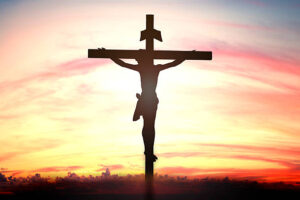
Discover the truth of Jesus Christ—His reality, His mission, and His salvation. Learn how believing in Jesus brings forgiveness, eternal life, and transformation. Explore practical reflections, theological insights, and life-changing guidance based on the KJV Bible.
1. The Most Fundamental Question of Life
The question “Who is God?” is not just a philosophical curiosity—it is the most fundamental inquiry of human existence. Every culture, every civilization, and every human soul has at some point wrestled with this question. Some approach it with reverence, some with doubt, and some with outright denial. Yet, the reality remains: our understanding of God shapes how we view ourselves, the world, morality, life’s meaning, and eternity.
The Bible opens not with arguments but with a profound declaration:
“In the beginning, God created the heavens and the earth.” (Genesis 1:1)
Here, God is not introduced, debated, or defended. He simply is. This tells us that God is the eternal foundation of all things.
2. God’s Nature: Beyond Human Comprehension, Yet Knowable
God is infinite—He has no beginning and no end. He is self-existent, not dependent on anything or anyone. He is spirit (John 4:24), meaning He cannot be limited by physical form, though He reveals Himself in ways we can grasp.
Theologians often describe God with attributes such as:
- Omnipotent – All-powerful (Jeremiah 32:17)
- Omniscient – All-knowing (Psalm 139:1–6)
- Omnipresent – Everywhere at once (Psalm 139:7–10)
- Immutable – Never-changing (Malachi 3:6)
- Holy – Perfectly pure (Isaiah 6:3)
- Love – Deeply relational (1 John 4:8)
Though beyond full human comprehension, God is not unknowable. He reveals Himself through creation, conscience, Scripture, and most fully, through Jesus Christ.
3. God as Creator and Sustainer of Life
The order, beauty, and complexity of the universe testify to a purposeful Creator. The stars, oceans, DNA, and even human conscience all point beyond random chance to divine intelligence and power.
Paul wrote:
“For since the creation of the world God’s invisible qualities—His eternal power and divine nature—have been clearly seen, being understood from what has been made.” (Romans 1:20)
God is not a distant watchmaker who set the universe in motion and walked away. He is the Sustainer of life (Colossians 1:17), actively holding the world together moment by moment.
4. God as a Personal Being
Unlike the impersonal deities of many ancient religions, the God of the Bible is personal and relational. He speaks, He loves, He grieves, He rejoices. He created humanity in His image (Genesis 1:27), giving us the ability to think, choose, love, and relate.
This means God does not only demand obedience but desires relationship. He reveals Himself as Father, Shepherd, King, Redeemer, and Friend.
5. God’s Holiness and Our Sinfulness
To know God is also to confront His holiness. Holiness means absolute moral perfection and separation from sin. Isaiah, when he encountered God’s glory, cried:
“Woe to me! I am ruined! For I am a man of unclean lips.” (Isaiah 6:5)
God’s holiness exposes human sinfulness. This creates a great tension: how can sinful humans stand before a holy God? The answer lies in the cross of Christ, where God’s justice and mercy meet perfectly.
6. God Revealed in Jesus Christ
The most complete answer to “Who is God?” is found in Jesus Christ. The invisible God became visible in Him.
- Jesus said, “Anyone who has seen Me has seen the Father.” (John 14:9)
- Paul wrote, “Christ is the image of the invisible God.” (Colossians 1:15)
Through Jesus’ life, death, and resurrection, we see God’s heart: His love for sinners, His justice against sin, His power over death, and His offer of eternal life.
7. The Necessity of Knowing God Personally
It is not enough to know about God intellectually; the real question is: Do you know Him personally? Eternal life is defined by this relationship:
“Now this is eternal life: that they know You, the only true God, and Jesus Christ, whom You have sent.” (John 17:3)
To know God is to trust Him, worship Him, love Him, and walk in obedience to Him. Without this relationship, life remains empty no matter how successful or moral we appear.
8. Great Theologians on God’s Identity
- Augustine: “You have made us for Yourself, O Lord, and our heart is restless until it rests in You.”
- A.W. Tozer: “What comes into our minds when we think about God is the most important thing about us.”
- C.S. Lewis: “God cannot give us peace and happiness apart from Himself, because it is not there. There is no such thing.”
These voices remind us that God is not merely a concept, but the ultimate reality.
To ask “Who is God?” is to embark on the most important journey of your existence. God is not an idea to debate but a Person to encounter, a Father to love, a Savior to trust, and a King to worship.
Your heart will remain restless until you come to know Him personally through Jesus Christ.
Discover Who is God in the deepest biblical sense—Creator, Sustainer, and Redeemer. Explore His attributes, His revelation through Christ, and why knowing Him personally is life’s greatest necessity.
The Nature of God – Beyond Human Imagination
When we ask, “Who is God?” the human mind immediately tries to build an image, a concept, or a framework to understand Him. But here lies the deepest mystery: God is beyond human imagination, beyond definition, beyond the limitations of language.
The Bible declares in Isaiah 55:8-9:
“For My thoughts are not your thoughts, neither are your ways My ways,” declares the Lord. “As the heavens are higher than the earth, so are My ways higher than your ways and My thoughts than your thoughts.”
This means that no philosophy, no scientific theory, no human reasoning can ever fully capture the nature of God. God is eternal, infinite, and uncreated. He has no beginning and no end. Unlike us, He does not depend on time, matter, or space—rather, all of creation depends on Him.
1. God as Spirit
Jesus revealed this great truth in John 4:24:
“God is Spirit, and those who worship Him must worship in spirit and truth.”
God is not made of physical substance. He is not bound by location. He cannot be confined in temples, idols, or human-made structures. His presence fills the universe, yet He is also near to the brokenhearted (Psalm 34:18). This makes Him both infinite and personal at the same time.
2. God as the Creator
Every star in the sky, every grain of sand, every heartbeat in your chest exists because of Him. Genesis 1:1 begins with a majestic declaration:
“In the beginning God created the heavens and the earth.”
This shows us two truths:
- God existed before creation.
- God is the source of all creation.
Science may explain how the universe functions, but it cannot explain why it exists. The “why” belongs to God alone. The created world is a reflection of His glory, beauty, and wisdom. As Romans 1:20 says, His invisible qualities are clearly seen through what He has made.
3. God as Love
Among all His attributes, the Bible lifts one truth higher than all: “God is love” (1 John 4:8).
This does not mean God merely has love; it means love is His very essence. His actions, His plans, His judgments, His mercy—all flow out of this perfect love. The cross of Christ is the ultimate demonstration of God’s nature.
Love is not weakness; divine love is stronger than death, purer than gold, and higher than the heavens. It reaches the sinner, comforts the broken, forgives the guilty, and transforms the hopeless. Without understanding God’s love, we cannot understand who God truly is.
4. God as Holy and Just
While God is love, He is also holy and righteous. He cannot tolerate sin, evil, or injustice. In Isaiah 6:3, the angels around His throne cry out day and night:
“Holy, holy, holy is the Lord Almighty; the whole earth is full of His glory.”
Holiness means absolute moral perfection. It is God’s blazing purity. His justice ensures that evil will never win, and righteousness will always stand. This is why salvation is so necessary: we, as sinful humans, cannot stand before a holy God without His mercy. His holiness reveals our need for grace through Jesus Christ.
5. God as Eternal and Immutable
Humans change—our emotions, opinions, and lives shift every day. But God does not change. Malachi 3:6 says:
“I the Lord do not change.”
This is why His promises are trustworthy. The God who created Adam, who guided Abraham, who spoke to Moses, who raised Jesus from the dead, is the same God we pray to today. His character remains consistent across eternity.
6. God as Personal and Relational
The greatest wonder is that this infinite, eternal God desires a relationship with us. He is not distant, like a cold force of the universe. He is our Father. He calls us His children (John 1:12). He listens to our prayers. He knows the number of hairs on our heads (Luke 12:7).
This personal God invites us into fellowship with Him. Through Jesus Christ, we are no longer strangers, but sons and daughters of the living God.
The Depth of the Mystery
The nature of God is so vast that even eternity will not be enough to exhaust it. As the Apostle Paul exclaimed in Romans 11:33:
“Oh, the depth of the riches of the wisdom and knowledge of God! How unsearchable His judgments, and His paths beyond tracing out!”
God is not an idea. He is not an invention of religion. He is the living, eternal, holy, loving Creator—and yet, He desires to dwell with you and me. This is the ultimate mystery: the Almighty God wants a relationship with fragile humanity.
Experiencing God in Our Daily Lives
When we ask “Who is God?”, we are not only asking about His nature but also about His relevance to us personally. Theology becomes alive and practical when the truth about God touches our everyday existence—our work, our family, our struggles, our joys, and our deepest questions about life and eternity.
God is not a faraway Being locked in the heavens, untouchable and unconcerned. Instead, the Bible reveals Him as the Living God who interacts with His creation, who listens when His children pray, who walks with the brokenhearted, who strengthens the weary, and who gives meaning to those who feel lost.
Let us go step by step to understand how the knowledge of God becomes real in our lives.
1. God as Our Creator – The Source of Identity
Every human being longs to know “Who am I?” and “Why am I here?”. The Bible begins with a powerful truth:
“In the beginning, God created the heavens and the earth.” (Genesis 1:1)
This means our existence is not an accident. God formed us with purpose, dignity, and worth. Unlike modern culture that defines identity by success, possessions, or social status, God defines identity through His creation and His love.
Practical Lesson:
- When you feel worthless or unnoticed, remember you are not a product of chance.
- Your life is handcrafted by God Himself.
- Your value comes not from what you own or achieve but from the fact that you are created in His image (Genesis 1:27).
This truth frees us from the endless trap of comparison. God is saying, “You matter because I made you, and I love you.”
2. God as Our Sustainer – The Giver of Daily Bread
We often separate the “spiritual” from the “practical.” But in reality, God is the One who sustains our breath, provides food, gives strength for work, and grants wisdom for decisions.
Jesus taught His disciples to pray, “Give us today our daily bread” (Matthew 6:11). Notice He didn’t say “monthly” or “yearly” bread, but daily bread. This shows us that God cares for every single day of our lives—our routines, our struggles, our ordinary needs.
Practical Lesson:
- When you eat your food, see it as a gift from God.
- When you receive wisdom to solve a problem, thank Him for it.
- When you wake up in the morning with strength, recognize it is not your own ability but God’s mercy.
This awareness builds gratitude and removes the pride that says, “I earned all this myself.” Instead, we begin to live with humility, knowing that God sustains us in every heartbeat.
3. God as Our Savior – The Answer to Sin and Brokenness
One of the deepest realities of human life is sin—our tendency to go against God’s will. Sin brings guilt, shame, broken relationships, and ultimately, death. If God were only Creator and Sustainer, we would still be lost. But the beauty of Christianity is this:
👉 God entered human history in the person of Jesus Christ.
👉 He carried our sins on the cross.
👉 He rose again, offering forgiveness, deliverance, and eternal life.
Practical Lesson:
- If you feel crushed by guilt, know that God’s forgiveness is greater than your worst mistake.
- If you are addicted, God offers deliverance through His Spirit.
- If you fear death, God promises eternal life through Jesus.
This is not just theology—it is real hope that changes how we live today.
4. God as Our Guide – The Light in Darkness
Life is full of confusion: Which path should I take? Which decision is right? Whom should I trust? The Bible declares:
“Your word is a lamp to my feet and a light to my path.” (Psalm 119:105)
God reveals Himself not only through creation but also through His Word. By reading Scripture, we learn His will, His promises, and His warnings. By prayer, we align our hearts with His direction.
Practical Lesson:
- When making a difficult decision, seek God in prayer and His Word.
- Allow the Holy Spirit to whisper wisdom in moments of doubt.
- Trust that God sees the bigger picture even when you only see one step ahead.
This teaches us that knowing God is not just intellectual—it is relational. We walk with Him daily, step by step.
5. God as Our Father – The Source of Love and Security
Perhaps the most intimate revelation of God is this: He calls Himself Father. In Christ, we are not just servants or creatures; we are His children.
“See what great love the Father has lavished on us, that we should be called children of God!” (1 John 3:1)
As Father, God offers unconditional love, protection, discipline, and inheritance. For those who never experienced true earthly fatherhood, this truth becomes healing.
Practical Lesson:
- You do not need to earn God’s love. It is already given in Christ.
- When the world rejects you, remember you are still God’s beloved child.
- When you feel insecure, run to Him in prayer.
This transforms the way we relate to others—because we are loved, we can love.
Knowing who God is changes everything: how we see ourselves, how we handle pain, how we make decisions, and how we prepare for eternity. God is not only a theological concept but the Living One who walks with us every day.
- He is our Creator (Identity)
- He is our Sustainer (Provision)
- He is our Savior (Forgiveness & Eternal Life)
- He is our Guide (Wisdom)
- He is our Father (Love & Security)
When we truly grasp this, life is no longer empty or meaningless. It becomes a daily journey of walking with God—trusting, loving, worshiping, and living in His presence.
Take time today to pause, breathe, and say:
“Lord, I believe You are real. Show me who You are in my daily life.”
That simple prayer can open doors to a deeper relationship with God—one that transforms not only your soul but also your everyday living.
The Practical Experience of Knowing God
When we ask “Who is God?” many people immediately think of religion, rituals, traditions, or philosophical debates. But the truth is that God cannot be limited to religious structures, man-made images, or human imagination. God is not a concept that we simply discuss in classrooms or theology books; He is a living reality, a Person who reveals Himself, and someone who desires a real relationship with His creation.
1. God Beyond Human Imagination
The human mind is powerful, but it is also limited. We can build machines, explore the universe, and invent technology, yet we cannot fully comprehend the infinite nature of God. The Bible declares:
“For my thoughts are not your thoughts, neither are your ways my ways, declares the Lord.” (Isaiah 55:8-9)
This means that God transcends all categories. He is not bound by time, space, or matter. While we are finite beings who live within seconds, minutes, and hours, God is eternal, beyond the beginning and end. While we are bound by physical laws, God is the Creator of those very laws.
But here lies the mystery: though He is infinitely beyond us, He has chosen to reveal Himself to us in ways we can understand — through creation, through conscience, through Scripture, and most perfectly through Jesus Christ.
2. God as the Source of All Life
Every breath you take is proof that God exists. Scientists may explain oxygen, biology, and cellular functions, but the very spark of life — the reason your heart beats and your soul longs for meaning — comes from God. The psalmist writes:
“For with You is the fountain of life; in Your light we see light.” (Psalm 36:9)
Without God, life has no ultimate meaning. You can earn wealth, gain fame, travel the world, and still feel an empty void inside. That emptiness is the absence of God, because our soul was designed to live in fellowship with Him.
This is why Jesus said:
“I am the way, the truth, and the life.” (John 14:6)
Knowing God is not optional for a fulfilled life; it is essential.
3. God in Human History
History is filled with kings, empires, revolutions, and civilizations. But if you look deeper, you see that history is not random. The rise and fall of nations, the preservation of Israel, the coming of Christ, and the spread of the Gospel all show that God is the unseen Author guiding human destiny.
For example:
- The Roman Empire built roads and established communication networks — and in “the fullness of time” (Galatians 4:4), Christ came, and the Gospel spread rapidly through those very roads.
- Nations that exalt themselves in pride eventually collapse, proving the truth of Proverbs 16:18: “Pride goes before destruction, a haughty spirit before a fall.”
- Even today, when moral corruption increases and human philosophies try to erase God, His Word remains unshaken. No empire has been able to destroy the Bible.
God is not passive in history. He rules over it. He raises leaders, allows trials, and fulfills His purposes for the world.
4. God and Human Conscience
Have you ever noticed that every human culture, regardless of location or background, has some sense of right and wrong? Even without reading Scripture, people know that murder is evil, honesty is good, love is better than hate. Where does that universal moral compass come from?
Romans 2:15 says:
“The requirements of the law are written on their hearts, their consciences also bearing witness.”
This inner witness is God’s fingerprint inside every human being. We can silence it, ignore it, or corrupt it, but it still whispers to us. It reminds us that we are accountable to Someone greater. That “Someone” is God.
5. God Made Known in Jesus Christ
The greatest revelation of God is not in the stars, not in philosophy, not even in miracles. The greatest revelation is in the Person of Jesus Christ.
John 1:18 says:
“No one has ever seen God, but the one and only Son, who is Himself God and is in closest relationship with the Father, has made Him known.”
When Jesus healed the sick, He showed God’s compassion.
When He forgave sinners, He revealed God’s mercy.
When He died on the cross, He displayed God’s love and justice.
When He rose from the grave, He proved God’s power over death.
If you want to know who God is, look at Jesus. He is “the exact representation of His being” (Hebrews 1:3).
6. Practical Implications: What Knowing God Means for You
Knowing God is not just intellectual; it transforms every area of life.
- In Pain → You realize God is your Comforter (2 Corinthians 1:3-4).
- In Confusion → You find God’s wisdom guiding your steps (Proverbs 3:5-6).
- In Sin → You discover God’s forgiveness through Jesus (1 John 1:9).
- In Loneliness → You feel His presence saying, “I will never leave you” (Hebrews 13:5).
- In Fear of Death → You find eternal hope in the resurrection (John 11:25).
Knowing God makes you walk differently, think differently, love differently, and live with eternal perspective.
7. The Ultimate Question
So, who is God?
He is not just an idea. He is not just a tradition. He is not just a moral lawgiver. He is the Creator, Sustainer, Judge, Savior, and Friend. He is holy yet loving, infinite yet near, mighty yet personal.
To know Him is the greatest privilege of life. To ignore Him is the greatest tragedy.
God is not hidden from those who truly seek Him. If you sincerely desire to know Him, He promises:
“You will seek Me and find Me when you seek Me with all your heart.” (Jeremiah 29:13)
Thus, the question “Who is God?” is not merely philosophical. It is personal. It demands a response from your heart.
The Cross and the Ultimate Transformation of Human Life
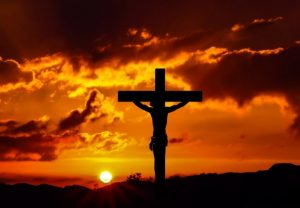
The cross of Jesus Christ is not only a historical event but the most transformative reality that humanity has ever encountered. It is the intersection where God’s eternal love met humanity’s deepest need. The cross is where divine justice and divine mercy kissed each other (Psalm 85:10). To understand the cross only as an instrument of execution is to miss its eternal significance; it is the power of God unto salvation (Romans 1:16). In this section, let us go deeper into how the cross transforms the human heart, redefines our identity, and provides us with eternal hope.
1. The Cross as the End of the Old Life and the Beginning of the New
The Apostle Paul declared, “I have been crucified with Christ and I no longer live, but Christ lives in me” (Galatians 2:20). This is not just poetic language—it is a spiritual reality. The cross is the place where the old self dies. Every sinful pattern, every addiction, every broken identity meets its death at the foot of the cross. Without the cross, human beings remain enslaved to sin, guilt, and shame. But through the cross, a new life begins.
Just as a seed must fall to the ground and die to bring forth fruit (John 12:24), so must the old sinful self be crucified with Christ. Only then can resurrection life flow within us. The cross is not simply about forgiveness; it is about transformation—a rebirth that gives us a new identity as sons and daughters of God.
2. The Cross as the Place of Healing
Humanity suffers from more than external wounds; we carry inner scars, emotional pains, broken relationships, and deep trauma. The cross directly addresses this reality. Isaiah prophesied: “By His wounds we are healed” (Isaiah 53:5). The cross is not only a remedy for sin but also for the brokenness of the human soul.
- The person burdened with guilt finds forgiveness.
- The one who feels rejected finds acceptance.
- The brokenhearted discover restoration.
- The fearful find peace.
The cross becomes the hospital of the soul, where every sickness of spirit and every wound of the heart finds its cure in Christ’s sacrifice.
3. The Cross and the Victory Over Darkness
One of the greatest mysteries of the cross is that in the very moment of Christ’s suffering and apparent defeat, the greatest victory in history was accomplished. Colossians 2:15 declares that Christ, through the cross, “disarmed the powers and authorities, making a public spectacle of them, triumphing over them by the cross.”
What looked like weakness was actually strength. What looked like defeat was the very weapon of triumph. Satan’s weapons—sin, death, and condemnation—were crushed at Calvary. The resurrection confirmed this victory, but the battle was won on the cross. Every believer who clings to the cross now walks in that victory.
4. The Cross and the Power of Love
At its core, the cross is not about rules or religion—it is about love. Jesus Himself declared, “Greater love has no one than this: to lay down one’s life for one’s friends” (John 15:13). On the cross, God did not merely declare His love in words; He demonstrated it in blood.
The cross is the ultimate evidence that God’s love is not conditional. It is not based on our goodness, achievements, or righteousness. God loved us “while we were still sinners” (Romans 5:8). To meditate on the cross is to be overwhelmed by a love so fierce, so unrelenting, and so undeserved that it compels us to surrender everything in response.
5. The Cross and Eternal Life
The cross is not just about what Christ did for us in this present life; it is about eternity. Jesus said, “I am the resurrection and the life. The one who believes in Me will live, even though they die” (John 11:25). The cross secured eternal life for all who believe. Death is no longer the end—it is a passageway into the presence of God.
This is why Paul could boldly say, “For me, to live is Christ and to die is gain” (Philippians 1:21). The cross transformed death from being the ultimate curse into the ultimate blessing. Because of the cross, we do not fear the grave—we see it as the doorway into everlasting joy.
6. The Cross and Our Daily Life
While the cross was a once-for-all historical event, its impact must be experienced daily. Jesus said, “Whoever wants to be My disciple must deny themselves, take up their cross daily, and follow Me” (Luke 9:23).
This means:
- Dying daily to selfish desires.
- Living daily in the power of the Spirit.
- Loving daily with sacrificial love.
- Walking daily in the freedom purchased by Christ.
The cross is not just something we look back on; it is the pattern of Christian living. Our lives should reflect the humility, sacrifice, and victory of Christ’s cross.
Living Under the Shadow of the Cross
The cross is not simply a symbol hanging on church walls; it is the foundation of our faith and the heartbeat of our Christian journey. It is the place where heaven touched earth, where sin was defeated, and where humanity was forever transformed.
To live under the shadow of the cross is to live with unshakable hope, unending peace, and unstoppable love. It is to carry within us the assurance that no sin is too great, no wound too deep, and no past too broken for the redeeming power of Calvary.
The cross invites us, not just to believe, but to surrender; not just to admire, but to follow. And in following, we find that the cross, though it looks like death, is the pathway to life everlasting.How does the reality of the cross transform your daily decisions, relationships, and identity?
If this message has touched you, do not leave it in words alone—embrace the cross, live its truth, and share it with others who desperately need the hope of Christ.
The Cross as the Eternal Bridge Between God and Humanity
The message of the Cross reaches its deepest beauty when we see it not merely as a historical event, but as the eternal bridge between God and humanity—a bridge that carries us from death to life, from despair to hope, from sin to forgiveness, and from earth to heaven. No symbol in history carries such weight, such depth, and such transforming power. The Cross is not a wooden beam only; it is the very place where eternity touched time, where heaven kissed earth, and where God’s love embraced sinful humanity.
The Cross as God’s Meeting Point with Humanity
In the Old Testament, humanity approached God through sacrifices, priests, and rituals. But the Cross changed everything. Jesus Christ became the ultimate sacrifice, fulfilling every law and every prophecy. The Cross is now the holy ground where sinful man and holy God can meet without barriers. It is here that the justice of God and the mercy of God meet perfectly. At Calvary, the wrath of sin was satisfied, and the doorway of reconciliation was opened.
When we look at the Cross, we realize:
- We are no longer enemies of God but His beloved children.
- We are no longer lost wanderers but found sons and daughters.
- We are no longer under condemnation but under grace.
The Cross as the Fire of Transformation
The Cross is not a place of silence—it speaks louder than any sermon ever preached. Its message is sharper than any philosophy, deeper than any wisdom, and stronger than any army. The Cross does not leave anyone neutral. It calls us to make a choice: will we die to self and live for Christ, or will we cling to sin and reject His gift?
The Cross transforms our:
- Identity: from slaves to heirs of God.
- Purpose: from chasing temporary dreams to pursuing eternal life.
- Character: from bitterness, lust, and pride to forgiveness, purity, and humility.
This transformation is not theoretical—it is practical, daily, and life-shaping. Every Christian who bows at the Cross discovers strength to forgive enemies, courage to endure suffering, and joy that cannot be stolen by the world.
The Cross and the Broken World
Look around—wars, injustice, corruption, greed, and broken relationships. Humanity seeks solutions in politics, technology, or wealth, but none of these can heal the human heart. Only the Cross can address the deepest wound of mankind—the wound of sin.
At the Cross, Jesus carried the hatred of Cain, the failures of David, the doubts of Thomas, the betrayal of Judas, the lies of Peter, and the sins of the whole world. There is no sin too heavy that the Cross cannot carry. The Cross remains the only hope for our broken societies. It teaches us that reconciliation is possible, healing is real, and eternal peace is within reach.
The Cross and Daily Christian Living
To embrace the Cross is not to admire it from afar but to carry it daily. Jesus said, “If anyone would come after Me, let him deny himself, take up his cross, and follow Me” (Matthew 16:24).
This means:
- Denying the fleshly desires that pull us away from God.
- Living with humility, even when pride feels natural.
- Choosing forgiveness when revenge feels easier.
- Standing for truth, even when it brings mockery.
The Cross is not a decoration around our necks but a direction for our lives. It shapes how we speak, how we work, how we love, how we forgive, and how we serve.
The Cross and Eternal Life
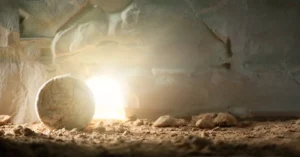
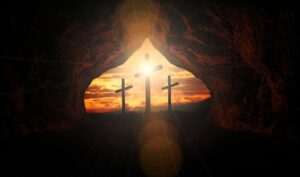
The Cross is not the end—it is the gateway. Beyond its wood and nails lies an empty tomb and the promise of eternity. When we stand at the Cross, we are standing at the threshold of heaven. Jesus’ arms, stretched wide, invite every soul to come and receive eternal life.
Eternal life is not just a future hope but a present reality. It is peace in the storm, joy in suffering, hope in despair, and light in the darkest valley. The Cross guarantees that death is not final, and heaven is not a dream—it is our true home.
The Cross as a Symbol of Victory
Satan thought the Cross was defeat. The soldiers thought it was the end of a revolution. The crowd thought it was the silencing of a false prophet. But heaven declared it the greatest victory in history. At the Cross, Jesus crushed the head of the serpent, destroyed the curse of sin, and disarmed the powers of darkness.
The Cross is not a sign of shame—it is a crown of glory. That is why Christians throughout centuries have carried it as their emblem of faith. It is the banner under which martyrs bled, missionaries labored, and believers endured persecution. And it remains the symbol of hope for generations yet to come.
The Cross is the eternal bridge—linking the sinner to the Savior, the earthly to the heavenly, the temporary to the eternal. Without the Cross, life has no meaning, sin has no solution, and eternity has no hope. With the Cross, everything changes.
Dear reader, do not stand far from the Cross. Run to it. Kneel before it. Live by it. And carry it daily. Because the Cross is not just history—it is your destiny, your salvation, your deliverance, and your eternal life.
Eternal Conclusion of Truth
🌿 7.1 Final Conclusion
The question “Was Jesus real?” is not merely an intellectual debate—it is the foundation upon which eternal destiny rests. History confirms Him, archaeology supports Him, Scripture reveals Him, and transformed lives across centuries testify of Him.
If Jesus were only a myth, then the cross would be meaningless, hope would vanish, and eternity would remain uncertain. But because He is real—God incarnate, crucified for our sins, risen on the third day, and reigning forever—we have forgiveness, salvation, deliverance, and eternal life.
👉 The greatest reality is not simply that Jesus existed, but that He still exists, living and reigning today. He is not confined to the pages of history; He is alive in the hearts of believers.
7.2 Sayings of Great Theologians
To grasp the weight of this truth, let us listen to the voices of great theologians and Christian leaders throughout history:
- St. Augustine: “You have made us for Yourself, O Lord, and our hearts are restless until they rest in You.”
- C.S. Lewis: “Christianity, if false, is of no importance, and if true, of infinite importance. The only thing it cannot be is moderately important.”
- Dietrich Bonhoeffer: “When Christ calls a man, He bids him come and die.”
- Charles Spurgeon: “Without Christ, there is no hope. But in Him, every sinner finds forgiveness and eternal life.”
- Billy Graham: “The greatest need in the world is the transformation of human hearts by Jesus Christ.”
These voices across centuries remind us that the reality of Jesus is not a theory—it is the living hope that changes everything.
- If Jesus is truly real and alive, what does that mean for your personal life and decisions today?
- How does the historical evidence for Jesus strengthen your faith?
- In what ways have you experienced Jesus not only as history but as living reality?
- What would life look like if you fully surrendered to the truth of Christ?
- How can you share the reality of Jesus with someone who doubts His existence?
1. Was Jesus really a historical figure?
Yes. Historical records, archaeological evidence, and fulfilled prophecies confirm His existence. Beyond history, the transformative power of His resurrection demonstrates His reality today.
2. How can I know Jesus personally?
By faith. Confess your sins, believe that He died for you and rose again, and invite Him into your life as Lord and Savior (Romans 10:9).
3. What happens when I accept Jesus?
You receive forgiveness, deliverance from sin, the Holy Spirit’s guidance, and eternal life. You become a child of God, reconciled with Him through Christ.
4. Is salvation dependent on good works?
No. Salvation is a gift of God through faith (Ephesians 2:8-9). Good works follow as a natural fruit of transformed life.
5. How can I strengthen my faith daily?
- Read the KJV Bible consistently.
- Pray without ceasing.
- Fellowship with other believers.
- Apply God’s Word in daily decisions and actions.
The Message of Salvation
Dear reader, the truth of Jesus being real is not meant only to inform your mind, but to transform your soul. The Bible says:
“For all have sinned and fall short of the glory of God” (Romans 3:23).
“For the wages of sin is death, but the gift of God is eternal life in Christ Jesus our Lord” (Romans 6:23).
This means we are all sinners, lost and separated from God. But Jesus Christ, the real Son of God, came down to rescue us:
- He died on the cross to pay the penalty for our sins.
- He rose again to give us victory over death.
- He offers salvation freely to anyone who believes.
Today, if you confess with your mouth that Jesus is Lord and believe in your heart that God raised Him from the dead, you will be saved (Romans 10:9).
Salvation is not religion, not works, not philosophy—it is a personal relationship with the Living Christ.
Beloved reader, Jesus is real. He is calling you not just to acknowledge His existence but to embrace His Lordship.
- 🌍 Share this message with others so they too may encounter the living Christ.
- 💬 Engage with us—leave your comments, thoughts, and testimonies below.
- 🔗 Explore more life-changing articles on GraceToGospel.com.
- Read More click here
“Now to Him who is able to keep you from stumbling, and to present you faultless before the presence of His glory with exceeding joy, to God our Savior, Who alone is wise, be glory and majesty, dominion and power, both now and forever. Amen.” (Jude 1:24–25)
May the reality of Christ be alive in your heart, today and forever.