The 10 Powerful Evidences of the Resurrection of Jesus Christ
(Deep, Faith-Strengthening, and Logically Explained)
The resurrection of Jesus Christ is not just the climax of the Gospel—it is the cornerstone of Christian faith. Without it, Christianity collapses into just another moral philosophy. But with it, we proclaim a living Savior, a defeated death, and a hope that never dies.
1 Corinthians 15:17 says, “If Christ has not been raised, your faith is futile; you are still in your sins.”
This makes the resurrection not only essential, but provable, based on history, logic, eyewitness accounts, and supernatural transformation. Let us explore ten deep, compelling, and faith-affirming proofs.
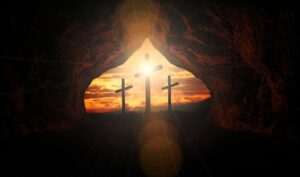
1. The Empty Tomb – Where Did the Body Go?
Every gospel writer affirms that the tomb was empty on the third day. Even Jesus’ enemies never denied it—they simply claimed the body was stolen. But Roman guards had sealed it, and the disciples had no motive or power to steal the body and die for a lie.
- Matthew 28:6 – “He is not here; He has risen, just as He said.”
- If the body had been found, Christianity would’ve died on day one.
Logical implication: The tomb was empty because Jesus rose.
2. Eyewitness Accounts – Over 500 People Saw Him
Jesus didn’t rise in secret. He appeared multiple times to different individuals and groups: Mary Magdalene, the apostles, the disciples on the road to Emmaus, and even over 500 people at once.
- 1 Corinthians 15:6 – “Then He appeared to more than five hundred brothers at one time… most of whom are still alive.”
This claim invited public scrutiny. Paul says, “Go ask them yourselves!” It wasn’t a hallucination—groups don’t hallucinate identically.
3. The Radical Transformation of the Disciples
Before the resurrection, the disciples were afraid, scattered, and in hiding. But after seeing the risen Lord, they became bold, fearless witnesses, willing to die for Christ.
- Peter, once afraid of a servant girl, boldly preached to thousands (Acts 2).
- Every apostle (except John) was martyred—and not one recanted.
Question: Would they all die for a lie they invented?
4. The Conversion of Saul (Paul) – From Murderer to Missionary
Saul of Tarsus was Christianity’s fiercest enemy. Yet, he claimed to have seen the risen Jesus, and that encounter radically changed his life.
- Acts 9:3–6 – Saul fell to the ground and heard Jesus speak.
- He became the greatest missionary, wrote half the New Testament, and was beheaded for his faith.
This radical U-turn demands an explanation: Jesus is alive.
5. The Skepticism and Change in James, the Brother of Jesus
James, Jesus’ own half-brother, was not a believer during Jesus’ ministry.
- John 7:5 – “Even His own brothers did not believe in Him.”
Yet after the resurrection, James became a leader of the early church (Acts 15) and was eventually martyred for his faith.
What changed? “Then He appeared to James…” (1 Cor. 15:7). The resurrection changed a skeptic into a servant.
6. The Rise of the Early Church in Jerusalem
Christianity didn’t begin in a far-off land. It started in the very city where Jesus was crucified—Jerusalem. The people who saw Him die were now preaching that He rose!
- Thousands believed (Acts 2:41) despite persecution.
- They turned the Roman Empire upside down in a few generations.
Question: How could a movement based on a lie survive and grow like this?
7. The Day of Worship Changed from Saturday to Sunday
For centuries, Jews worshipped on the Sabbath (Saturday). But suddenly, thousands of Jewish believers began worshipping on Sunday, the day of Jesus’ resurrection.
- This was a monumental change in Jewish culture.
- Something dramatic had to cause this: The resurrection.
8. The Breaking of Bread and Baptism Practices
The early Church practiced Communion and baptism as public affirmations of Jesus’ death and resurrection.
- Romans 6:4 – “We were buried with Him… and raised with Him.”
- These symbolic acts were not myth but reflections of a true historical event.
9. Historical Support from Non-Christian Sources
Several ancient non-Christian historians confirm aspects of the resurrection account:
- Josephus (1st-century Jewish historian) wrote: “He appeared to them alive on the third day…” (Antiquities 18.3.3).
- Tacitus (Roman historian) confirmed Jesus’ execution under Pontius Pilate and the rapid growth of Christians.
These are not Christian sources—yet they affirm key details.
10. Millions of Transformed Lives to This Day
From the 1st century until now, people across time, cultures, and languages have encountered the risen Christ and been forever changed.
- Addicts have found freedom.
- Broken hearts have found healing.
- The hopeless have found eternal life.
Jesus is still alive and active today—changing lives just like He did 2000 years ago.
Conclusion: The Resurrection Demands a Response
The resurrection is not just a doctrine—it’s an invitation. If Jesus truly rose from the dead, then:
- He is who He claimed to be—the Son of God.
- His words are true and eternal.
- Your life has meaning, purpose, and destiny.
If you’ve never trusted Him, now is the time.
Call to Action:
Don’t let these truths remain information—let them become transformation.
Open your heart to the risen Christ. He is alive, and He is calling you.
Share this message, comment your thoughts, or contact us if you have questions or prayer needs. Your story matters, and your soul is eternal.
God’s love, grace, and eternal joy be with you. He is risen indeed!
Let this truth reshape your life—today and forever.